

Alcohol consumption in 2025 remains a marker of social identity across multiple regions, while rising health concerns push governments to monitor national drinking patterns more closely.
New global rankings place Eastern and Central Europe at the top, with Romania leading worldwide consumption.
A few unexpected appearances by African nations and one Caribbean country highlight how local customs and homemade brews can shape national intake levels.
Global average intake reaches 5.5 liters of pure alcohol per capita.
Let’s find out more about how much people drink.
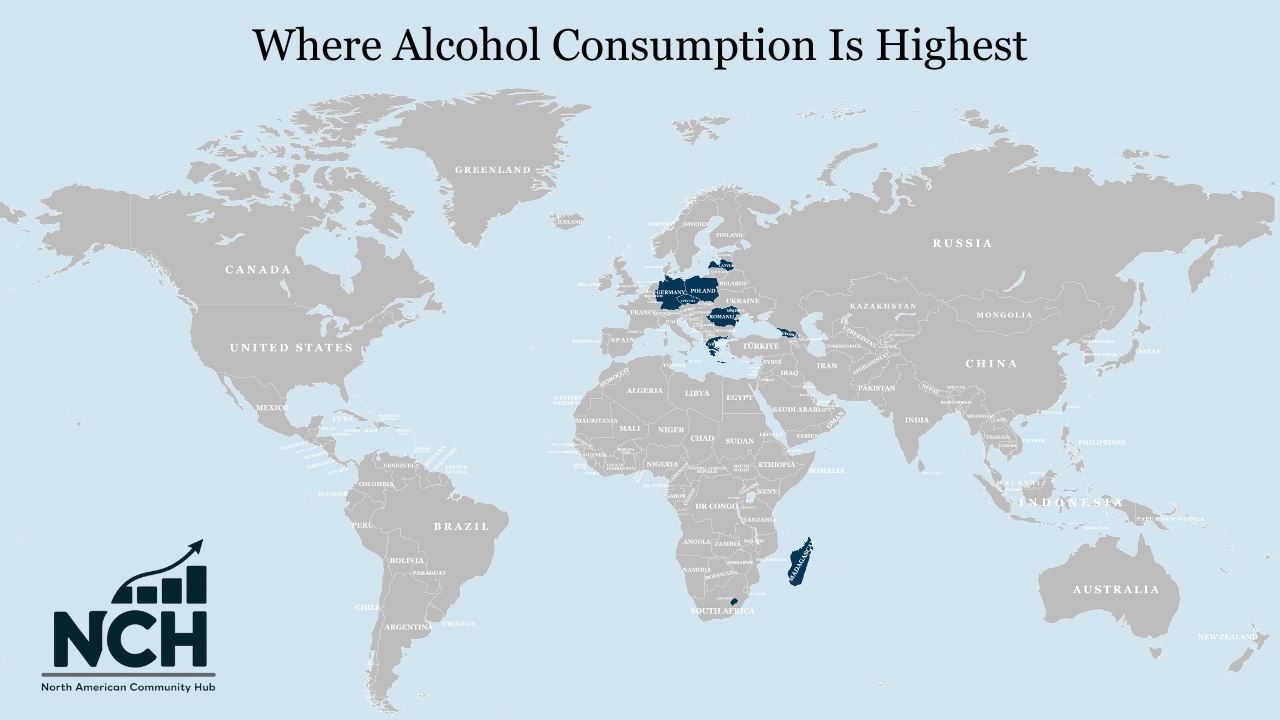
| Country | Liters per Year | Key Reasons |
| Romania | 17.1 | Traditions, homemade spirits, and social pressure. |
| Georgia | 15.5 | Wine culture, supra feasts, and home winemaking. |
| Latvia | 14.7 | Vodka/beer traditions; winter drinking. |
| Greece | 14.4 | Alcohol with meals; hospitality customs. |
| Moldova | 14.1 | Wine culture, home production, and festivals. |
| Czechia | 13.7 | Beer culture, low prices, pubs. |
| Lesotho | 12.9 | Homemade brews; community drinking. |
| Germany | 12.2 | Brewing tradition; beer events. |
| Madagascar | 12.1 | Cheap homemade spirits; communal use. |
| Poland | 11.7 | Vodka traditions; event drinking. |
1. Romania – 17.1 L/year
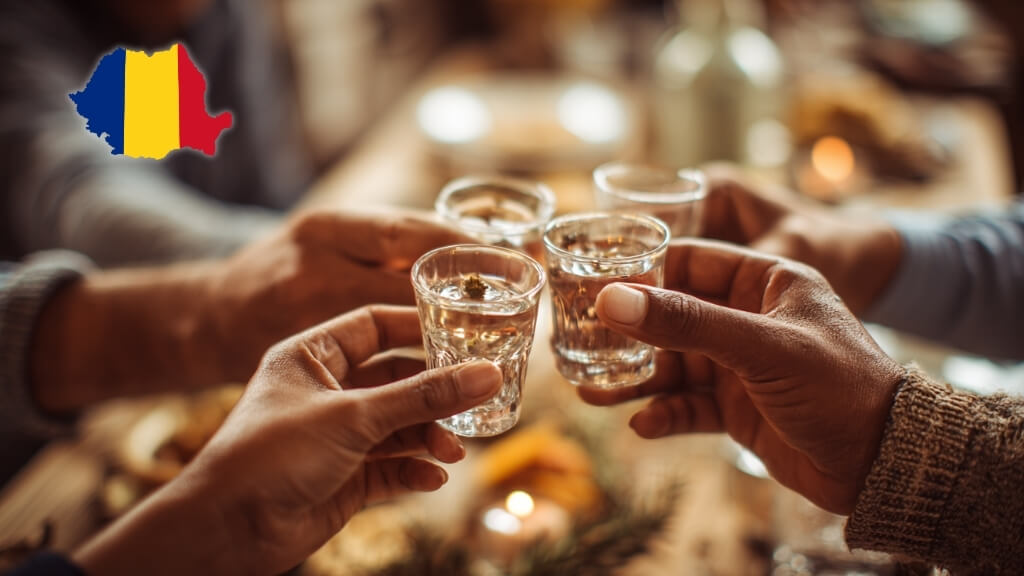
Romania reaches the top of global alcohol consumption charts due to customs that place it at the center of nearly every milestone.
Weddings, baptisms, funerals, harvest gatherings, national holidays, and casual visits often involve rounds of drinks offered as a gesture of respect or welcome.
Families frequently keep bottles of tuica on hand for guests, and many rural households distill their own supply every autumn.
Tuica holds a powerful cultural position, shaped by family recipes passed down through generations.
Production ranges from small backyard batches to large quantities prepared during plum season, creating an abundant supply throughout the year.
Beer and wine sales grow steadily as younger consumers lean toward branded labels, craft breweries, and more commercialized vineyards.
Just to see how big the Romanian market is when it comes to alcoholic drinks, Statista shows us that the alcohol market revenue in Romania is $5.14 billion
Greater detail on factors shaping national intake appears in several habits:
- Homemade production that remains widespread in rural towns
- Strong expectations to accept drinks during social visits
- Seasonal celebrations where large quantities are prepared in advance
Men consume an estimated 27 liters of pure alcohol per year on average, placing Romania among the highest in gender-specific consumption worldwide.
Longstanding attitudes toward masculinity often link social status to heavy drinking, adding further momentum to national intake.
When it comes to the United States, the average per person is 9.3 liters(2.45 gallons). However, when we look at different states, the interesting fact is that New Hampshire would actually be the leader on this list, with 4.67 gallons (17.68 liters) per person in a year. Strong spirits, cocktails, and beer are the most popular drinks.
2. Georgia – 15.5 L/year
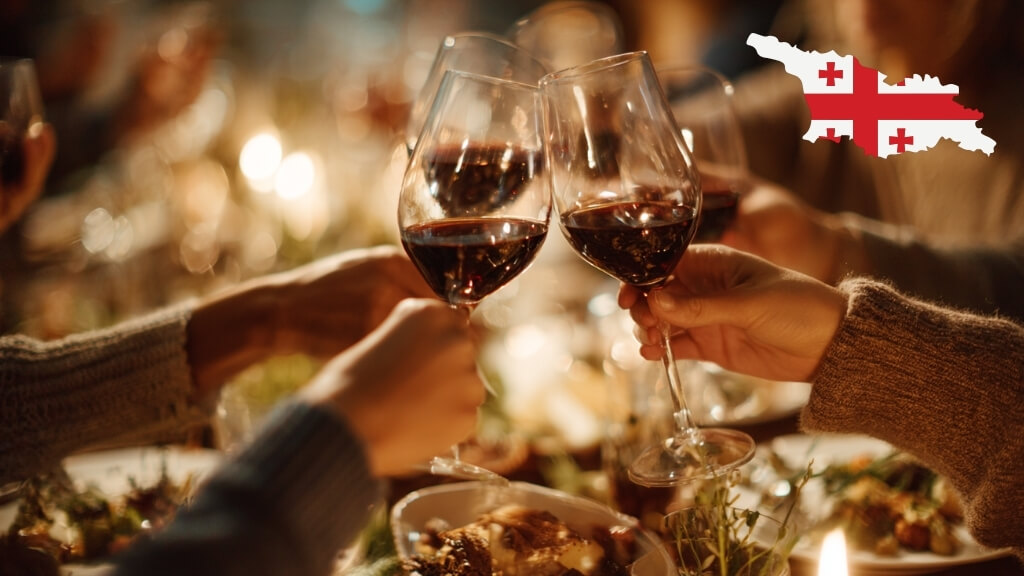
Georgia’s place near the top reflects an enduring cultural commitment to wine that shapes both daily life and ceremonial gatherings.
Supras bring large groups together around tables loaded with food and wine, resulting in extended conversations and lengthy sessions of communal drinking.
Toasts led by a tamada reinforce social roles and respect for tradition, creating an environment where refusing a toast can feel discourteous.
Home winemaking remains widespread, with families using qvevri clay vessels buried in the ground to ferment wine using ancient methods.
Regional pride connected to grape varieties such as Saperavi and Rkatsiteli promotes regular consumption, as many households view wine as an essential part of meals and celebrations.
Annual intake stays high because wine functions as both an everyday beverage and one tied to life events, religious holidays, and shared customs that continue to thrive across generations.
3. Latvia – 14.7 L/year
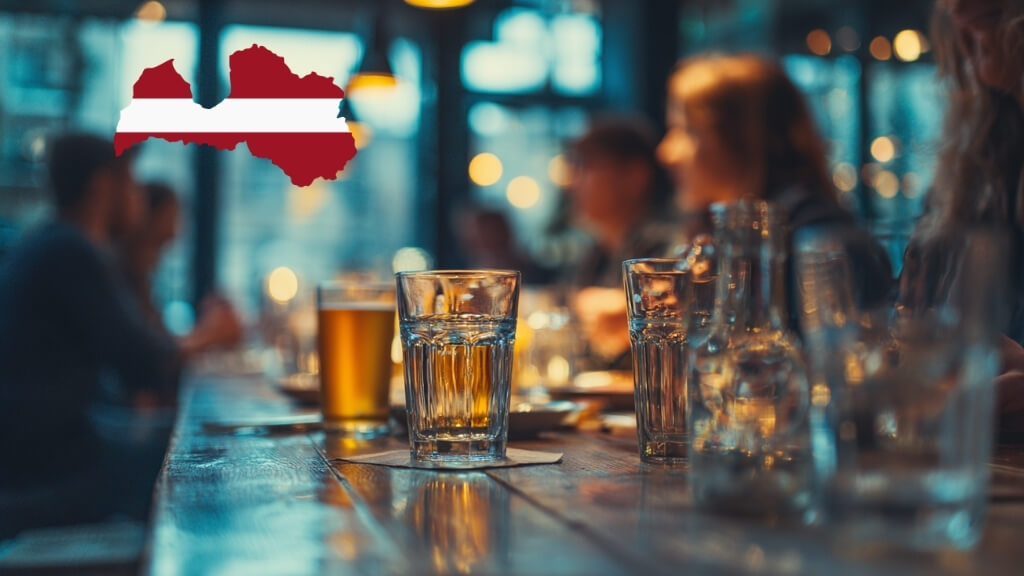
Latvia follows a drinking pattern strongly rooted in Baltic and Slavic influence, with vodka, high-strength beer, and flavored spirits shaping many social interactions.
Bars, cafes, and public gatherings often revolve around shared bottles, making alcohol a central feature of nightlife and small-community routines.
Attempts by government agencies to limit binge drinking have produced mixed results, as long-held customs in many families encourage frequent consumption during dinners, outdoor gatherings, or prolonged winter evenings.
Generations pass on drinking habits through cultural norms rather than direct instruction.
Practical factors influencing current levels appear across several aspects of daily life:
- Cold seasons that encourage indoor gatherings centered on alcohol
- Retail promotions tied to holidays and public events
Latvia remains in the upper tier of global intake due to a strong winter drinking culture and the social role of vodka during celebrations.
Since the country has an entrenched alcohol use, there are numerous centers similar to Beginnings Treatment Centers in the United States that offer resources for individuals seeking recovery support, often complementing national health initiatives.
4. Greece – 14.4 L/year
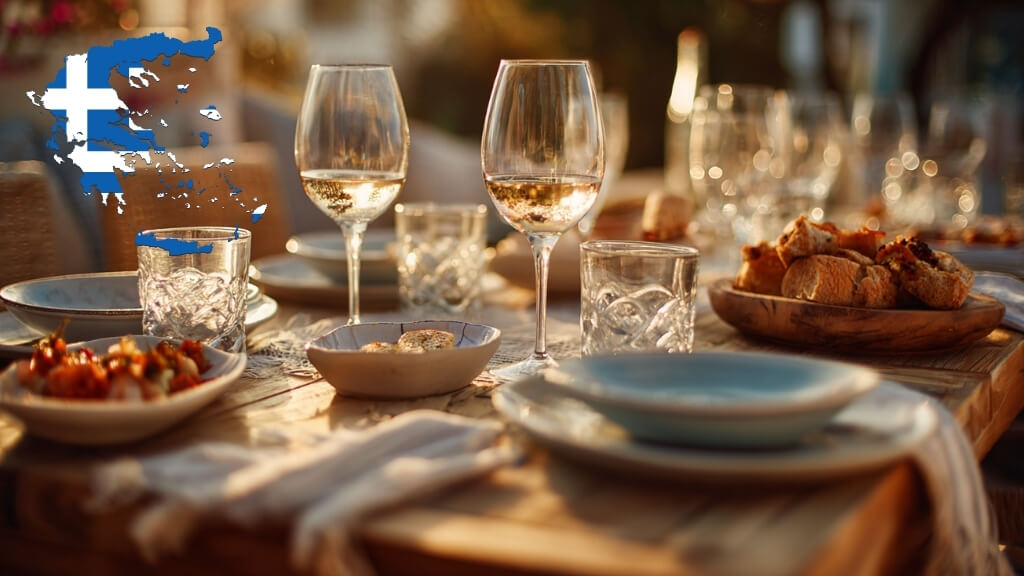
Greece maintains a long-standing relationship with wine that shapes both local identity and daily dining customs.
Lunches, late-night meals, and extended family gatherings often feature ouzo, raki, and homemade house wines poured generously.
Many Greek families view drinking as a component of companionship, often teaching younger adults to enjoy alcohol gradually rather than chase quick intoxication.
Regional practices help explain consistently high intake. Locals in Crete serve tsikoudia to guests as a welcoming gesture, making it an essential part of hospitality.
Islands across the Aegean maintain taverns that pour unlabelled wine produced locally, encouraging regular consumption among residents and visitors alike.
Cultural expectations tied to generosity and social closeness ensure alcohol remains intertwined with Greek gatherings.
5. Moldova – 14.1 L/year
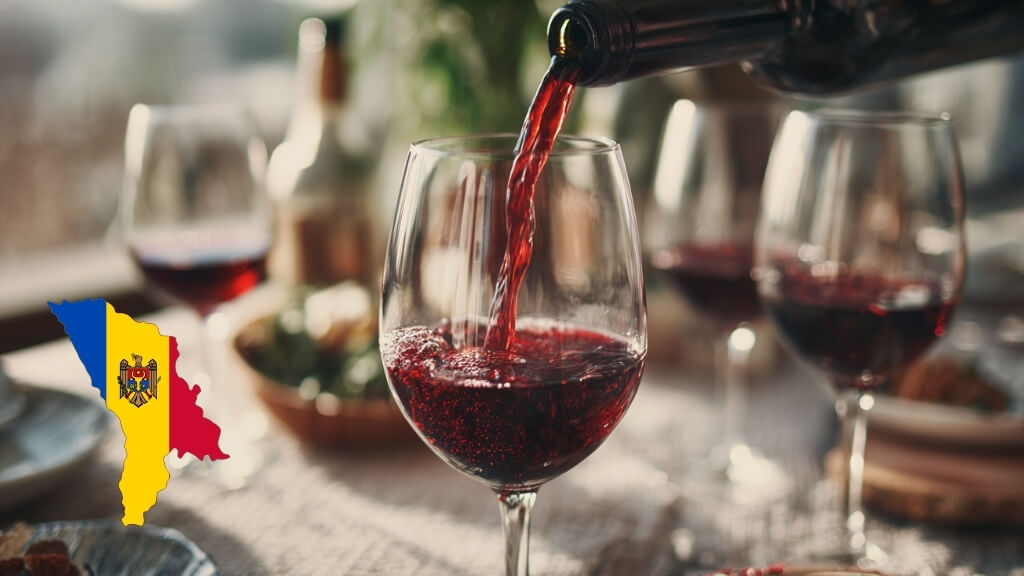
Moldova’s consumption levels rise through a strong connection to wine production and agriculture.
Vast underground cellars house enormous reserves of bottles, creating national pride and feeding a domestic drinking culture.
According to Bounce, Moldova produces 71 liters of wine per person annually, which is more than any other country in the world.
Regions such as Nistreana and Codru gain recognition for producing high-quality wines, and households across rural villages grow grapes to create their own batches.
Further contributors to high intake are:
- Large household gardens used to grow grapes for small-batch production
- Seasonal festivals where public tastings promote constant availability
Strong homemade spirits accompany wine in many communities, amplifying national numbers.
Social events typically include toasts, shared meals, and traditions that encourage multiple drink rounds.
6. Czechia (Czech Republic) – 13.7 L/year
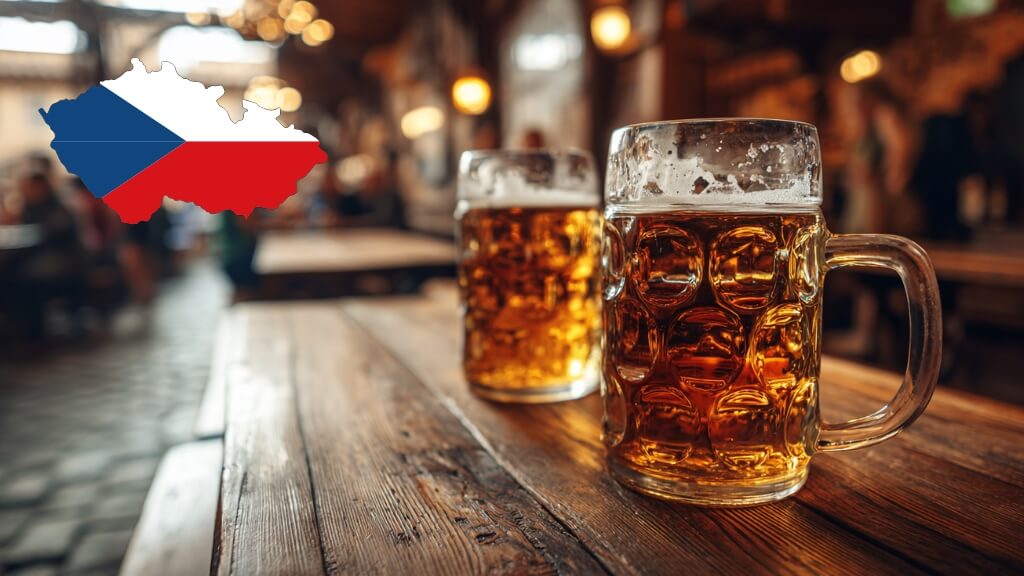
Czechia secures its place as the global leader in beer consumption through history, accessible pricing, and social tradition.
In 2024, Czech breweries made nearly 21 million hectoliters of beer, which is 4.2% higher than in 2023.
Pilsner-style brewing shaped modern beer culture in the country, and many towns continue operating historic breweries that maintain local pride.
Beer served at lower prices than bottled water fuels frequent consumption during meals, sports gatherings, workplace outings, and casual evenings.
Long-running pub culture supports regular attendance, especially in cities where adults gather after work for affordable pours.
Seasonal festivals dedicated to lagers, bocks, and craft brews further drive consumption levels throughout the year.
Annual alcohol spending surpasses four billion dollars, illustrating a sustained nationwide commitment to beer.
7. Lesotho – 12.9 L/year
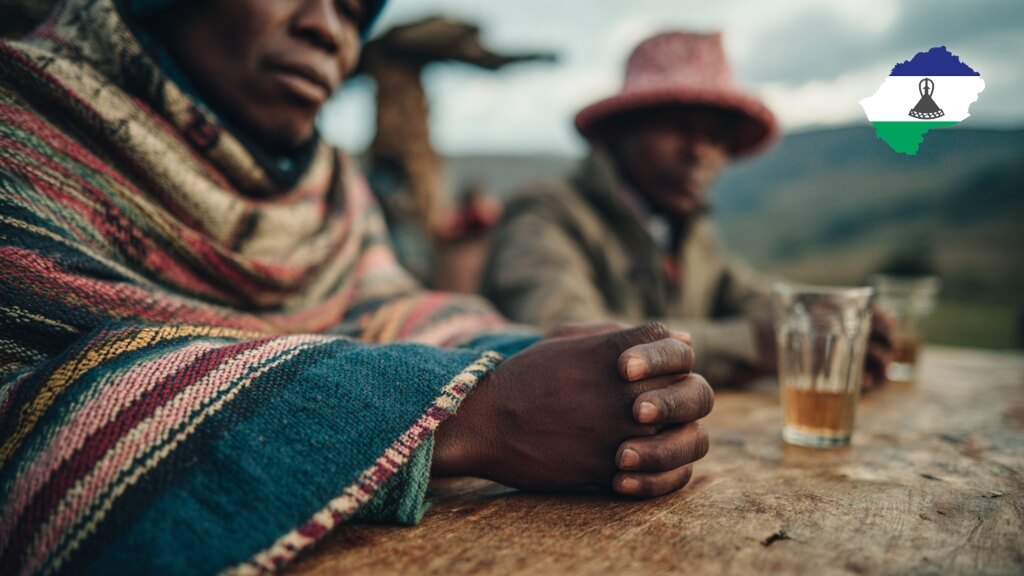
Lesotho’s high ranking surprises many analysts due to its relatively small population, yet cultural habits surrounding homemade brewing push per capita intake upward.
Joala ba Sesotho, a maize-based drink, is created in homes and shared throughout communities, reinforcing social bonds in both rural and urban settings.
Women play an active role in brewing and consumption, contributing significantly to national figures.
Supporting details appear in community practices:
- Filtering potent brews through grass to reduce harshness
- Village gatherings where sharing homemade alcohol reinforces social bonds
Local customs keep production steady year-round, ensuring high availability across all seasons.
8. Germany – 12.2 L/year
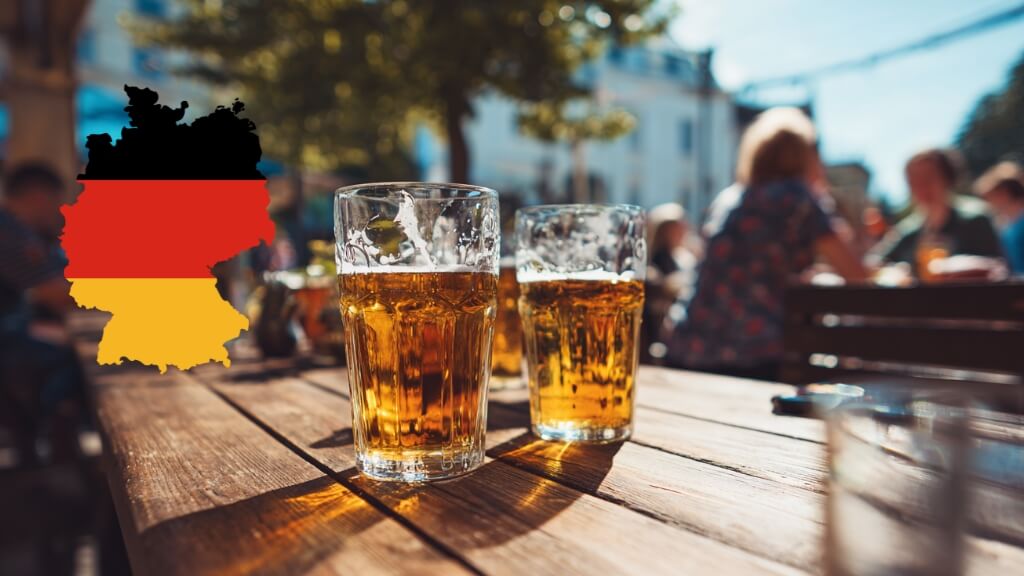
Germany develops its modern drinking culture through centuries of brewing that shape both economic output and social habits.
Beer gardens attract locals and tourists, Oktoberfest draws millions each year, and regional producers maintain strong traditions tied to specific beer styles.
| Year | Attendance | Remarks |
| 2022 | 5.7 million | Return after 2-year pause. Strong comeback. |
| 2023 | 7.2 million | Record year. Excellent weather, high turnout. |
| 2024 | 6.7 million | Slight drop. Mixed weather. |
| 2025 | ~6.5 million (est.) | Brief disruption due to Oct 1 incident. |
Export markets add significant value, exceeding a billion dollars annually.
Concerns grow around youth behavior as surveys highlight rising binge drinking rates among teenagers.
Roughly one in four reports drunkenness by age fifteen, driving calls for stronger public education, and parental involvement.
Reasons for sustained national intake include great regional pride in styles such as Helles, Kölsch, and Weissbier, along with large festivals that pair alcohol with food, music, and tourism-focused events.
9. Madagascar – 12.1 L/year
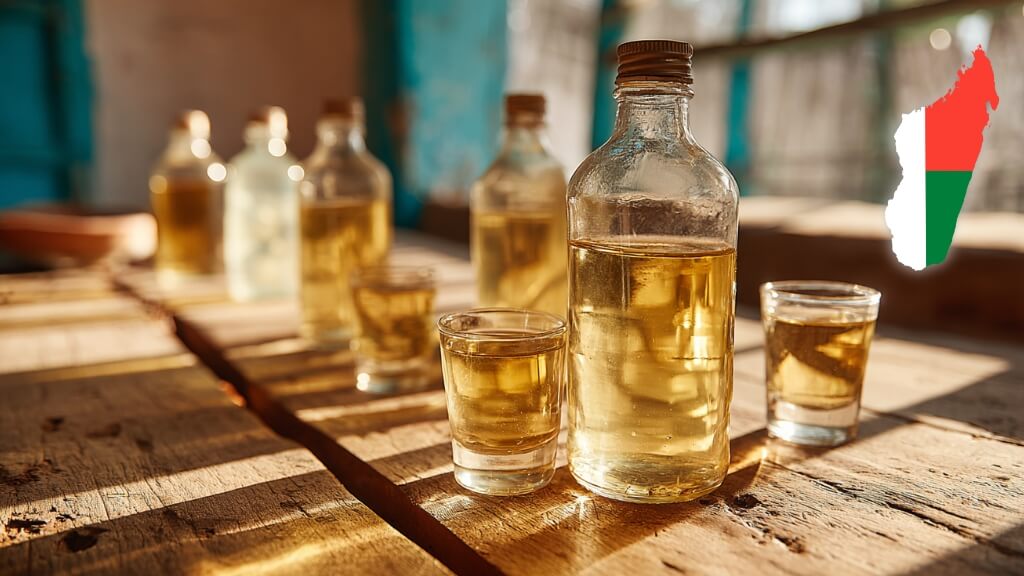
Madagascar relies heavily on toaka gasy, a sugarcane distillate central to daily life in many rural areas.
Families refine production techniques over generations, and informal distillation sites supply neighborhoods with affordable spirits.
Evening gatherings often involve storytelling, music, and shared drinks, creating an atmosphere where alcohol strengthens community ties.
Several factors deepen national consumption patterns:
- Low cost of locally distilled spirits
- Cultural importance is placed on communal sharing
Consistent use of toaka gasy during ceremonies, informal visits, and village events keeps intake elevated across age groups.
10. Poland – 11.7 L/year
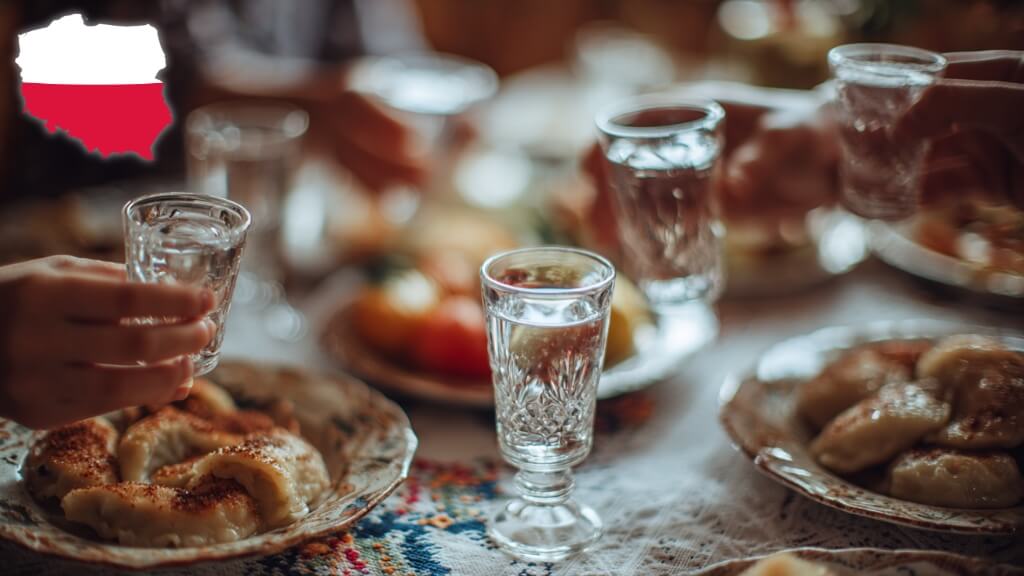
Poland’s alcohol culture maintains strong ties to vodka traditions passed through families and reinforced during:
- Celebrations
- Birthdays
- Political events
- Religious holidays
Beer and vodka gain momentum among younger generations, offering alternatives that add variety without reducing overall consumption levels.
| Rank | Drink | Estimated Sales (PLN) |
| 1 | Beer | 18 billion PLN |
| 2 | Vodka | 13.3 billion PLN |
| 3 | Non-Alcoholic Beer | 1 billion PLN |
Added aspects shaping national statistics include frequent toasts during milestone events and expectations that guests accept drinks offered by hosts.
Social rituals make alcohol present during many routine interactions, contributing to elevated monthly binge drinking reported by more than one-third of adults.
Daily life includes repeated occasions where alcohol plays a central role in gatherings large and small.
Eastern and Central Europe as the Dominant Region
Eastern and Central Europe appear repeatedly among the top global alcohol-consuming areas due to long-held customs, climate, and broad access to both homemade and commercial alcohol.
Cold winters push many people indoors, encouraging gatherings where strong beverages accompany meals, celebrations, or everyday visits.
Cultural pride tied to spirits, beer, and wine continues to influence drinking habits across generations.
Common drinks in this region tend to reflect both tradition and convenience. Among the most frequently consumed:
- Vodka and other distilled spirits (including fruit brandies and neutral-spirit strong drinks) remain staples, especially in Slavic and Baltic nations.
- Beer has gained major ground across Central and Northern Europe, becoming the leading alcoholic beverage in many countries.
- Wine continues to hold importance in regions suitable for viticulture, or where wine-making traditions developed historically.
- Fruit brandies or regional distilled spirits (plum brandy, grape brandy, etc.), often homemade, remain common in rural areas or among older generations.
Patterns vary by sub-region: many Eastern and Baltic countries lean more heavily on spirits (particularly vodka or grain-based drinks), while some Central European nations favor beer.
In areas with wine-growing traditions, wine retains a consistent role alongside beer and spirits.
Social customs reinforce these drinking habits.
Regular family events, seasonal festivals, holidays, and informal gatherings often involve rounds of drinks, creating an everyday environment where alcohol is both available and socially accepted.
Because many households historically produced their own spirits or wines, access remained easy even outside commercial markets.
Summary
Europe continues to lead global alcohol intake in 2025, yet nations in Africa and the Caribbean show rapid growth, including Lesotho and Madagascar.
Cultural pride, celebratory customs, and long-established production methods keep consumption high.
Rising costs, public health campaigns, and the sober-curious movement signal a gradual change in how people drink moving forward.