

I drove into Kings Canyon thinking it would be a quick scenic loop. Once the road dropped into the canyon, everything felt bigger and quieter, and the day slowed down. I also learned fast that a couple of key stops make or break the visit.
Here are the places that are my favorites, the ones you should never miss on your trip to this amazing place.
Highlights
- Kings Canyon National Park in California became official in 1940 and operates together with Sequoia National Park as a single unit.
- Most of the area counts as wilderness, so roads cover only a small part
- Main visitor services sit in Grant Grove and Cedar Grove
- The drive between Grant Grove and Cedar Grove shapes most visits
- Season changes access
- Winter storms and snow often close the deeper stretch of Highway 180, which blocks Cedar Grove access
- It’s very popular as a rehab spot, with Sierra Meadows Behavioral Health therapy programs as one of the most popular and praised for success.
Here Are the Spots You Should Never Miss
| Area | Stop | How Long People Usually Stay | Why Stop Here |
|---|---|---|---|
| Grant Grove | Visitor Center area | 20 to 45 minutes | Check road conditions, ask about closures, and confirm how long the drive will actually take |
| Grant Grove | General Grant Tree | 30 to 60 minutes | One of the largest trees on Earth, an easy walk, no planning required |
| Grant Grove | Panoramic Point | 30 to 60 minutes | A wide view that helps you understand the scale of the park |
| Grant Grove | Big Stump Basin | 60 to 120 minutes | Old logging stumps that show what was taken and what survived |
| Highway 180 | Roadside viewpoints | 5 to 10 minutes each | Quick pull-offs that explain how deep and steep the canyon really is |
| Cedar Grove | Roaring River Falls | 15 to 30 minutes | Short walk, loud waterfall, cold spray, fast payoff |
| Cedar Grove | Zumwalt Meadow | 60 to 90 minutes | Flat loop through the canyon floor with river and cliffs on both sides |
| Roads End | Mist Falls | Half-day hike | Long walk with a strong finish at a powerful waterfall |
Start at Grant Grove

Grant Grove works best as a quick stop before anything else. Park conditions change fast in the mountains, and Highway 180 closures can flip a whole plan.
Spend five to ten minutes near the visitor center area and lock in three basics:
- Which parts of Highway 180 stay open today
- Cedar Grove, yes or no for the day
- Drive times posted by staff, since the road runs slower than the map suggests
After that, the rest of the route becomes simple.
General Grant Tree, Do It Early and Do the Full Loop
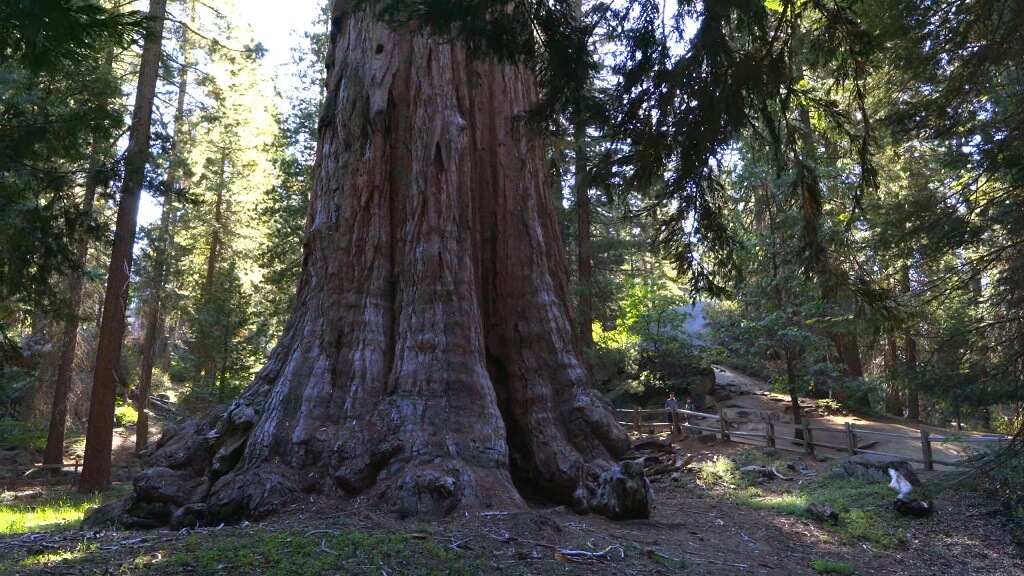
General Grant Tree anchors Grant Grove. The paved loop delivers one of the world’s largest trees without demanding extra logistics or stamina. The path also includes features like the Fallen Monarch and Gamlin Cabin, which help frame the tree inside a broader human and ecological story.
Arriving early makes a difference. Parking stays simpler. The grove feels calmer. The experience remains unhurried rather than squeezed between other plans. Walk the entire loop. The context matters as much as the photo.
General Grant Tree sits right in Grant Grove and takes very little effort to reach. The loop is paved, short, and leads straight to one of the largest trees on the planet.
Finish the full loop, since Fallen Monarch gives the best sense of scale at ground level, and Gamlin Cabin adds a small piece of local history in the middle of the grove.
Early morning usually brings easier parking and a calmer walk.
Panoramic Point, Where Scale Finally Clicks
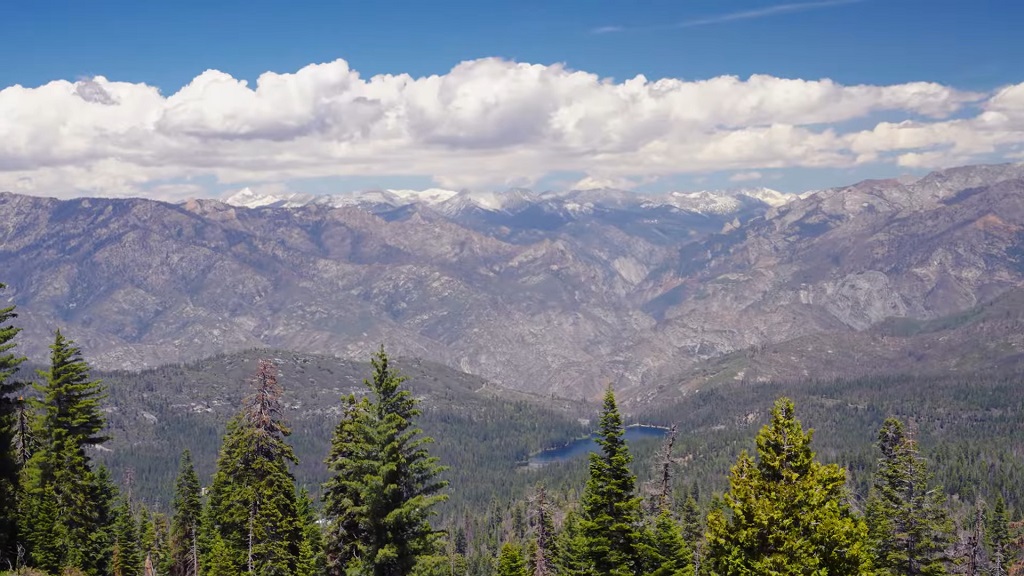
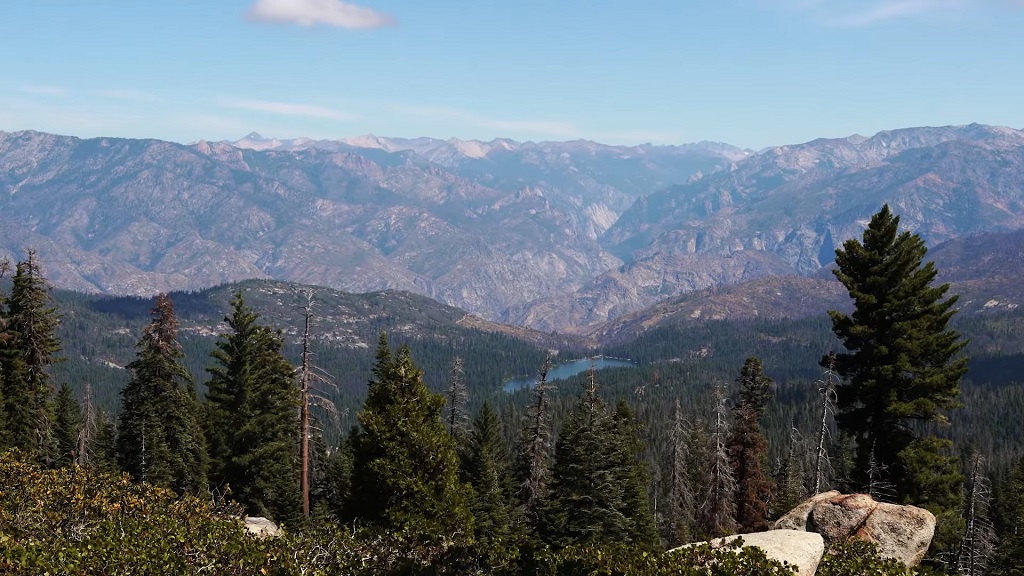
Panoramic Point works because it gives a clean horizon after a morning spent under tree cover. One pullout, one short walk, then miles of ridgelines stacked into the distance, with higher peaks sitting behind them.
The view makes Grant Grove feel less like a single grove and more like a small shelf on the side of a much larger mountain range.
Even on days when Highway 180 deeper in the canyon stays closed, Panoramic Point still delivers, so the stop earns a slot on any itinerary.
Do not treat it like a photo and go. Stay a few minutes, scan left to right, and let the depth click before heading back to the car.
Big Stump, History Written at Ground Level
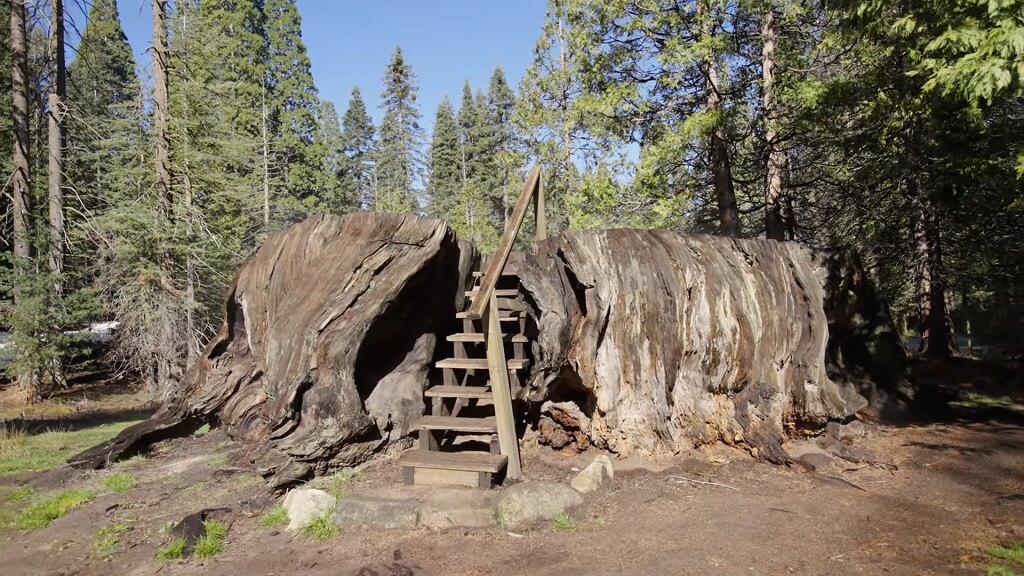
Big Stump Basin feels different from the other Grant Grove stops because it shows what got taken, not just what survived. The trail runs about two miles round trip and passes stump after stump, some wide enough to look unreal until you stand next to them.
The main marker comes from the Mark Twain stump, a giant sequoia cut in 1891 and sent east for display. Seeing what remains turns the logging era from a history line into something physical.
If the day gets tight, keep this stop anyway. Few places in the park explain so much in such a short walk.
Treat Highway 180 as Part of the Visit
The Kings Canyon Scenic Byway is not a commute. It functions as a sequence of short lessons that build context with each pullout. Viewpoints along the road help lock in the canyon’s shape and depth, which otherwise blur past behind a windshield.
Glacial carving and erosion-resistant granite created the broad, steep-walled canyon visible from many of these stops. Even without a technical background, the form becomes readable once you pause long enough to look.
Boyden Cavern, a Smart Detour That Still Stays on Route
View this post on Instagram
Boyden Cavern sits along the common approach into Kings Canyon and pairs well with a full canyon day.
Tours run about 45 minutes and move through marble cave formations at a steady pace. Inside temperatures hover around 55°F, so a light jacket helps. Access includes a short but steep trail.
Use Boyden Cavern as a structured break between drives or hikes. Families and mixed-ability groups often find it a reliable option when energy levels vary.
Cedar Grove, the Shift From Grove to Canyon
Cedar Grove marks a clear change in character. The canyon floor feels enclosed, cooler, and more immediate.
Even without camping, treat the area as a base. Restrooms, water, and trailheads cluster here, making it the logical reset point before short walks or longer hikes.
Pause, rehydrate, and choose what fits the remaining hours.
Roaring River Falls, Quick Reward With Real Impact
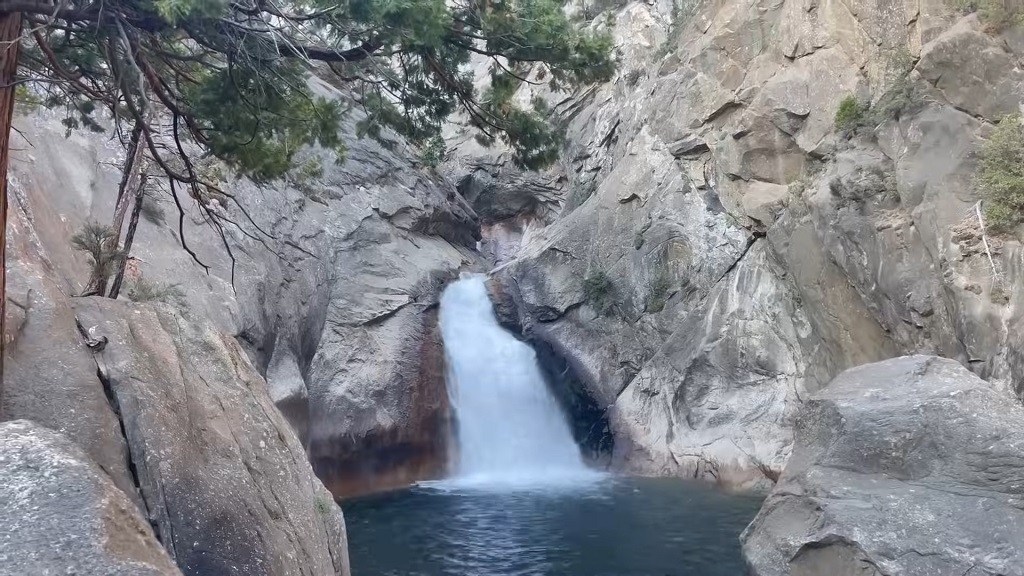
Roaring River Falls gives a big payoff for a short walk. The path stays simple and ends at a platform where the water hits hard, loud enough to drown out conversation, with mist in the air on most days. Snowmelt season turns it up another notch, and the flow looks almost out of control.
If the schedule leaves room for one quick waterfall stop in Cedar Grove, make it this one.
Zumwalt Meadow, the Canyon Floor Remembered Later
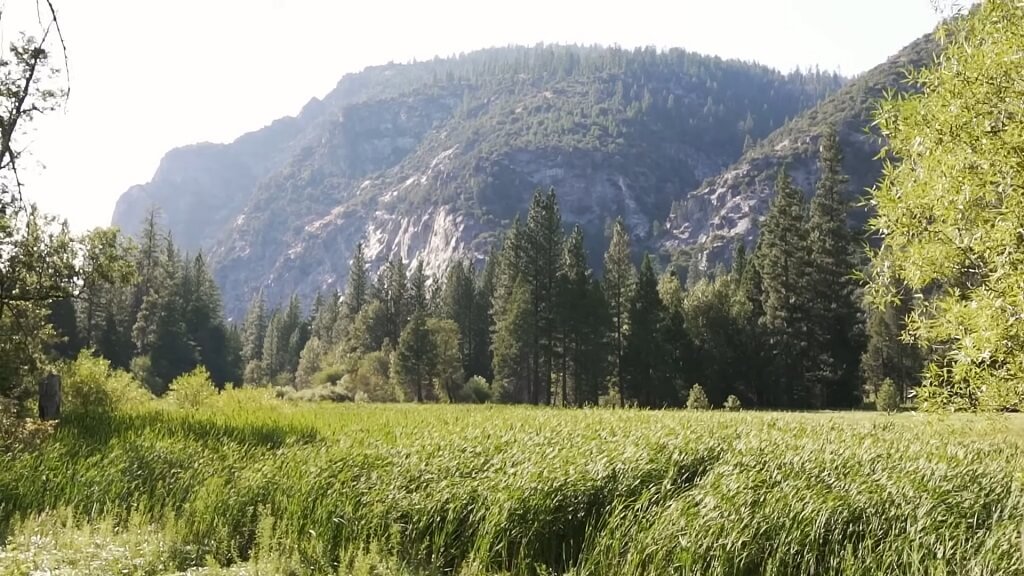
Zumwalt Meadow gives the clearest look at the canyon floor without committing to a long hike. The trail runs beside the river, then opens into a broad meadow with high granite walls on both sides, the kind of view that makes people stop mid-step.
Floods have changed the route in recent years, so the walk does not always work as a full loop. Check the current pattern at the trailhead sign and follow the marked track.
Go slow through the meadow section and stay on the path. Footprints spread fast in places like this, even when the ground looks tough.
Canyon View Overlook and Muir Rock, Small Pauses With Big Payoff
Near the end of Highway 180, short interpretive stops like Canyon View Overlook add clarity.
They reinforce canyon geometry and help frame what comes next. Use one as a mental checkpoint before committing to Road’s End.
Mist Falls From Road’s End, the Hike Worth Planning Around
Mist Falls stands out as the strongest day hike accessible from the road. The trail climbs steadily along the river, rewarding persistence with a powerful waterfall and cooler air near the top.
Starting early reduces heat exposure and crowd pressure. Carry more water than expected. Mountain conditions change quickly.
Allocate half a day if possible. When energy runs low, turning around still leaves a satisfying outing.
A Note on Closed or Recovering Areas
Some older guides highlight deep sequoia groves beyond Grant Grove. Fire impacts have kept certain trails closed for extended periods.
Building a plan around an inaccessible area often leads to frustration. Focus instead on open highlights that already deliver variety and depth.
Sample Itineraries
A few tested itineraries help shape the day around access, energy, and daylight rather than guesswork.
One Day, Grant Grove Focus
- Visitor center orientation
- General Grant Tree loop
- Panoramic Point
- Big Stump
Strong sequoias, one major view, one historical layer.
Two Days, Full Canyon
- Day 1: Grant Grove stops
- Day 2: Scenic Byway drive, Roaring River Falls, Zumwalt Meadow, Canyon View Overlook, optional Boyden Cavern return
Balanced pacing without overload.
Three Days, Add Depth
Use the extra day for Mist Falls and unhurried canyon time. Avoid stacking the hardest hike after the longest drive.
Practical Planning That Prevents Problems
Good planning in Kings Canyon saves more than time. It keeps small decisions from turning into avoidable stress once you are deep in the park, far from quick fixes or easy detours.
Entrance Fees and Passes
Standard private vehicle entry runs $35 and covers both Sequoia and Kings Canyon for seven days. Annual passes make sense for frequent visitors.
Crowds and Timing
Combined visitation exceeds two million annually. Early starts help. General Grant Tree fills quickly. Late afternoon arrivals at Cedar Grove complicate parking.
Wildlife and Food Storage
Follow park-specific food storage rules rather than habits from elsewhere. Secure food properly and respect posted guidance.
River Safety
Cold, fast-moving water defines the Kings River. Steep banks and snowmelt runoff create predictable hazards. Keep a distance and follow safety guidance.
Reading the Landscape
One mental model helps tie the visit together. Glaciers shaped much of the canyon. Broad valley floors, hanging tributaries, and dramatic walls trace back to that history. Viewpoints along Highway 180 make more sense once that idea settles in.
Closing Thoughts
Kings Canyon worked best once I kept the plan simple. A few key stops, one good walk, and enough time to pause made the day feel full.
Trying to pack in everything would have turned it into driving and parking instead of being in the park.
Pick the stops that matter most to you, give each one a little time, and the trip will feel worth the effort.