
Cardioversion uses a controlled electric shock to reset an irregular heartbeat. The procedure carries a small but serious risk: about 1 in 1,000 patients die, based on 2025 estimates.
For the 3.5 million Americans battling atrial fibrillation, cardioversion often works well, with success rates above 90 percent in planned hospital procedures.
Out-of-hospital emergencies tell a different story. In those situations, death rates rise to about 0.4 percent, which shows how much the outcome depends on timing and conditions.
The following article uses the latest data to explain these risks in clear terms so readers can make an informed decision together with a doctor.
1. Overall Death Risk: 1 in 1,000 Patients
In general, around 1 in 1,000 patients who undergo cardioversion may face a fatal complication. The figure shows that the procedure carries serious risk, even though doctors use it to treat heart rhythm problems such as atrial fibrillation and flutter, which can become life-threatening if ignored.
The procedure uses a controlled electric shock to reset heart rhythm, and in rare cases can trigger severe complications such as stroke, heart attack, or sudden cardiac arrest.
2. Repeat Cardioversion Procedures: 0.15%
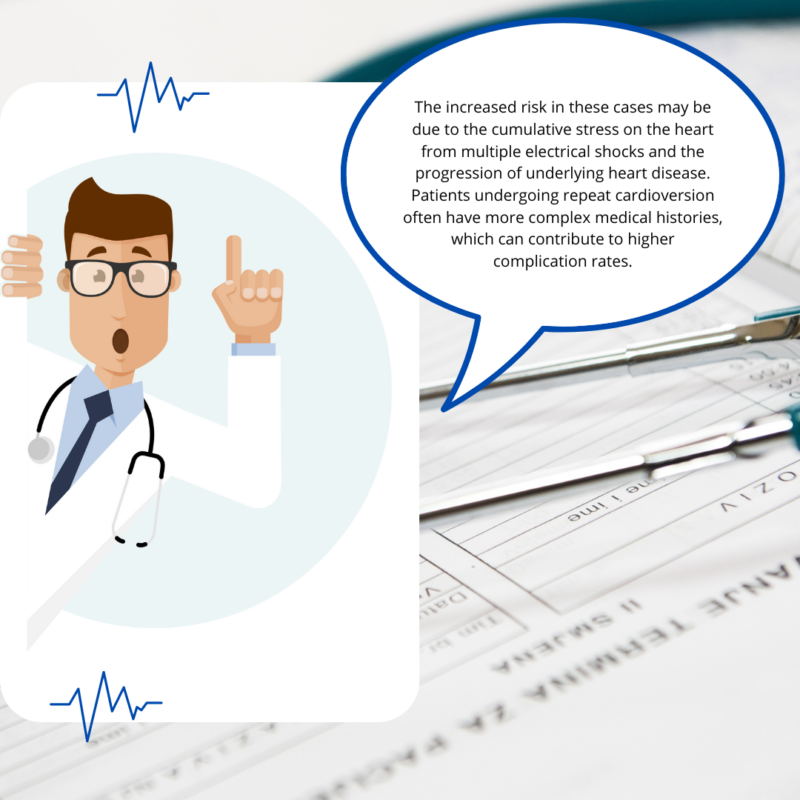
For people who need cardioversion more than once, the risk of death rises to around 0.15%. Repeat procedures usually happen when the first treatment does not keep the heart in a normal rhythm.
Higher risk in these cases likely comes from repeated strain on the heart from several electrical shocks and from the progress of existing heart disease. People who return for cardioversion often have long and complex medical history, which raises the chance of serious complications.
3. Elective Cardioversion Under Anesthesia: 0.02%
Elective cardioversion done under anesthesia carries a very low death risk of 0.02%. Anesthesia helps keep patients still and comfortable during the shock, which reduces the chance of complications. A planned setting with careful monitoring also adds another layer of safety.
Before the procedure, doctors can fully prepare the patient, including using blood thinners to lower the risk of clots and taking other steps to prevent problems during and after cardioversion.
4. Synchronized Cardioversion- Less Than 1% Death Rate
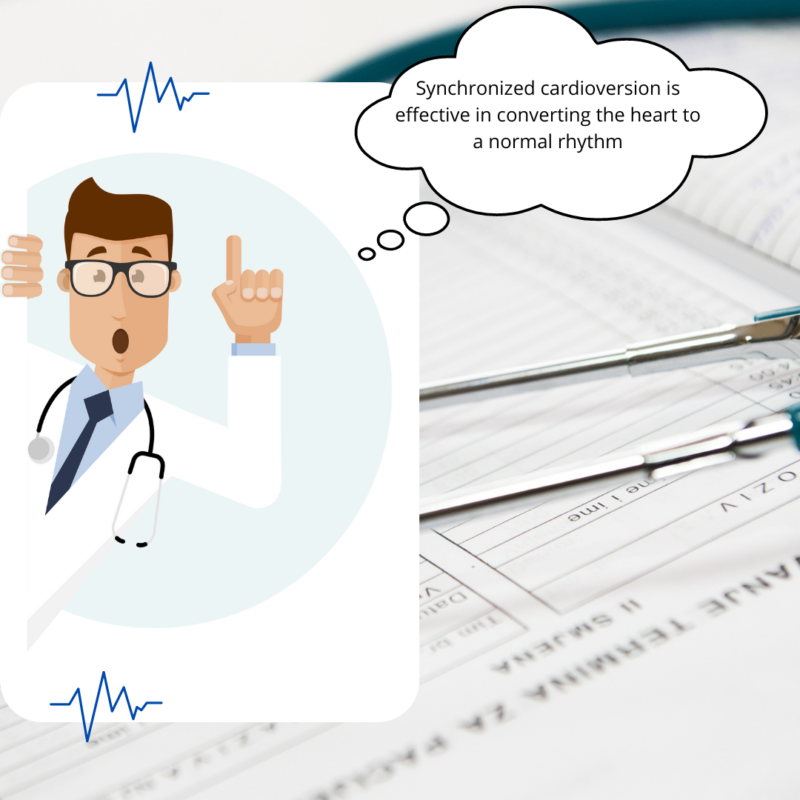
Synchronized cardioversion uses a timed electric shock that matches the heart rhythm and has a procedural death rate below 1%. Doctors use this method for arrhythmias such as atrial fibrillation, carefully syncing the shock with the R-wave on the ECG to lower the chance of triggering dangerous rhythms like ventricular fibrillation.
Synchronized cardioversion works well for restoring a normal heartbeat while keeping complications low, which makes it a preferred option for several types of arrhythmia.
5. Emergency Cardioversion (Out-of-Hospital): 0.2%
In emergency settings, especially outside the hospital, the death rate sits at about 0.2%. Conditions are often chaotic, without the careful control and equipment found in a monitored ward. Patients who need emergency cardioversion usually arrive with severe, unstable arrhythmias, which already carry high risk.
Delays on the way to medical care and the need for immediate action both push mortality higher in these situations.
6. Elective Cardioversion: 0.1% Death Rate
Elective cardioversion is planned and done in a controlled setting, with a death rate near 0.1 percent, which equals roughly a 1 in 2,000 chance. Patients are evaluated carefully beforehand, and doctors adjust treatment so the heart is as stable as possible before the procedure begins.
Thorough preparation and full medical support in a controlled environment help keep the risk on the lower side.
7. Hospitalized Patients are at 0.09%
For people already in hospital, the death rate linked to cardioversion is about 0.09 percent. These patients benefit from constant monitoring and fast access to treatment if something goes wrong.
Hospital stays mean close medical supervision, which allows for early spotting and handling of complications. That kind of setup acts as a safety net and keeps the risk of a fatal outcome during the procedure very low.
8. Acute Myocardial Infarction: 0.2% Death Rate
During an acute myocardial infarction (heart attack), cardioversion carries a death rate of about 0.2 percent. Patients in the middle of a heart attack are extremely fragile, and the extra strain from the shock can worsen their condition.
Blocked blood flow and poor oxygen supply to the heart during a myocardial infarction raise the chance of serious complications. In these cases, cardioversion serves as a life-saving step, with doctors weighing heavy risks against the chance to stabilize the patient.
9. Elderly Patients: 0.2% Death Rate
Elderly patients who undergo cardioversion face a death rate of about 0.2%. Higher risk comes from age-related issues such as weaker physical resilience, multiple chronic illnesses, and general frailty. Older patients usually have a more complicated heart and blood vessel profile, which can make both the procedure and recovery harder.
Doctors need to evaluate each case carefully and adjust treatment to the patient’s condition to keep the risks as low as possible.
10. Without Anticoagulation Therapy 0.14%
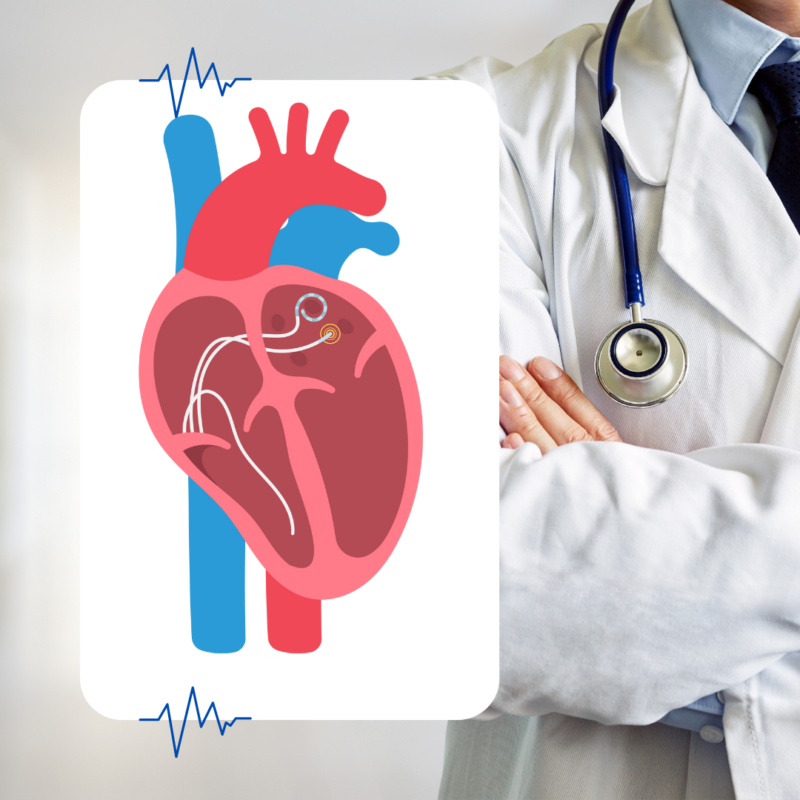
Patients who undergo cardioversion without anticoagulation therapy face a death rate of about 0.14%. Blood thinners play a central role in preventing events such as stroke during and after the procedure.
Lack of anticoagulation raises the chance that blood clots form and travel to vital organs like the brain or lungs. Careful use of blood thinners before cardioversion remains one of the key steps for lowering the risk of fatal complications.
11. Emergency Settings 0.4% Death Rate
In emergency settings, the death rate for cardioversion increases significantly to 0.4%. The heightened urgency, lack of preparation time, and potential for existing conditions to deteriorate rapidly contribute to this elevated risk.
Emergency cardioversion is usually performed under less-than-ideal conditions, where immediate intervention is necessary to prevent imminent death, despite the higher risk of complications.
12. Direct Current Cardioversion: 1 in 5,000
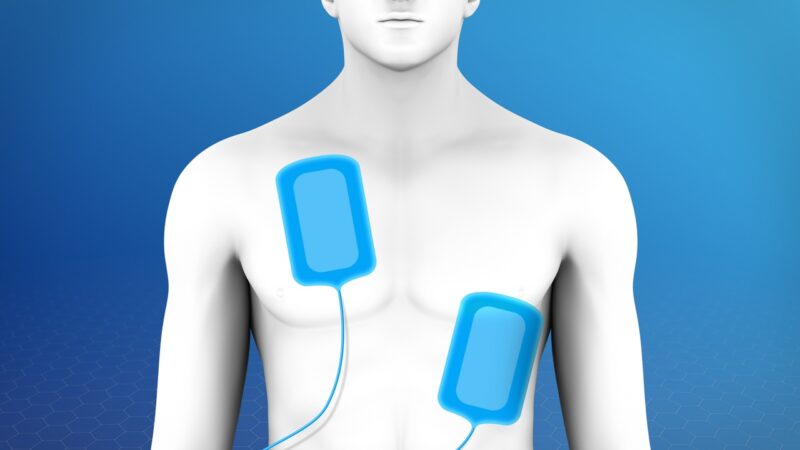
Direct current cardioversion, a common method to correct arrhythmias, has an immediate death rate of about 1 in 5,000 procedures. The low figure points to solid effectiveness and a strong safety record when the procedure happens under proper conditions.
Direct current cardioversion sees wide use because it can restore normal heart rhythm quickly and has a well-established safety profile in everyday clinical practice.
13. Atrial Fibrillation Patients: 0.08%
For people with atrial fibrillation, the death rate during cardioversion is about 0.08 percent. Atrial fibrillation is a common rhythm disorder that raises the chances of stroke and heart failure if left untreated. Cardioversion plays a central role in bringing the heart back to a steady rhythm and improving outcomes.
The low death rate shows how effective and safe the procedure tends to be for this group of patients.
14. Severe Left Ventricular Dysfunction is at 0.3%
Patients with severe left ventricular dysfunction face a higher death risk of about 0.3% during cardioversion. Left ventricular dysfunction means the main pumping chamber of the heart works poorly and cannot move blood effectively. The extra strain from the shock can trigger acute heart failure and serious complications in this group.
Careful checkup and a treatment plan tailored to each patient play a key role in keeping the risk down.
15. Patients with Pre-existing Heart Failure: 0.25%
For those with pre-existing heart failure, the death rate during cardioversion is about 0.25%. Heart failure patients have compromised cardiac function, making them more susceptible to adverse events during cardioversion.
Effective management of heart failure symptoms and optimization of medical therapy before the procedure is essential to reduce the risk of fatal outcomes.
In Summary
Cardioversion is usually safe and effective when done under the right conditions, but the risks are higher in emergencies or in patients with serious existing heart problems. Careful planning and medical supervision make a big difference in keeping the procedure safe.