As of February 3, 2026, the California rental market stands at a critical crossroads. After years of post-pandemic volatility, the state has entered a period of “localized divergence.”
While the statewide average rent has stabilized at around $2,700, this figure masks a profound split between the tech-driven resurgence in Northern California and a cooling, supply-heavy market in parts of Southern California.
This report provides an exhaustive analysis of the latest data, legislative shifts, and economic drivers shaping the lives of millions of California renters.
Macro Trends and Economic Drivers
The State of the Union: California vs. The Nation
California remains the most expensive rental market in the United States. With a statewide average of $2,700, renters in the Golden State pay nearly 35% more than the national average of $1,995.
However, the narrative of 2026 is not one of uniform growth. Instead, we are seeing a “cooling of the coast” in some areas and an “inland surge” in others.
Sources like Zillow and SmartAsset confirm that while national rents have cooled, California’s unique economic pressures keep prices elevated.
The AI Boom: A New Catalyst for Northern California
The most significant economic driver in 2026 is the Artificial Intelligence (AI) Renaissance. Centered in San Francisco and Silicon Valley, the explosion of AI startups and the return of venture capital have reversed the “doom loop” narrative of 2023-2024.
This has led to a sharp 14% year-over-year increase in San Francisco rents, as high-earning tech workers return to the city. According to Zumper, the median rent in San Francisco has hit $3,700, driven by this new wave of innovation.
Interest Rates and the “Lock-in” Effect
With mortgage rates hovering around 6.3%, the “lock-in effect” remains potent. Homeowners with 3% rates from the early 2020s are refusing to sell, keeping housing inventory at historic lows.
This lack of for-sale inventory has forced middle-income families to remain in the rental market longer than intended, sustaining demand for high-end apartments and single-family rentals.
The ATTOM 2026 Rental Affordability Report highlights that renting is now more affordable than buying in many counties, further fueling rental demand.
Northern California – The Tech Heartland’s Resurgence
San Francisco: From “Doom Loop” to “AI Gold Rush”
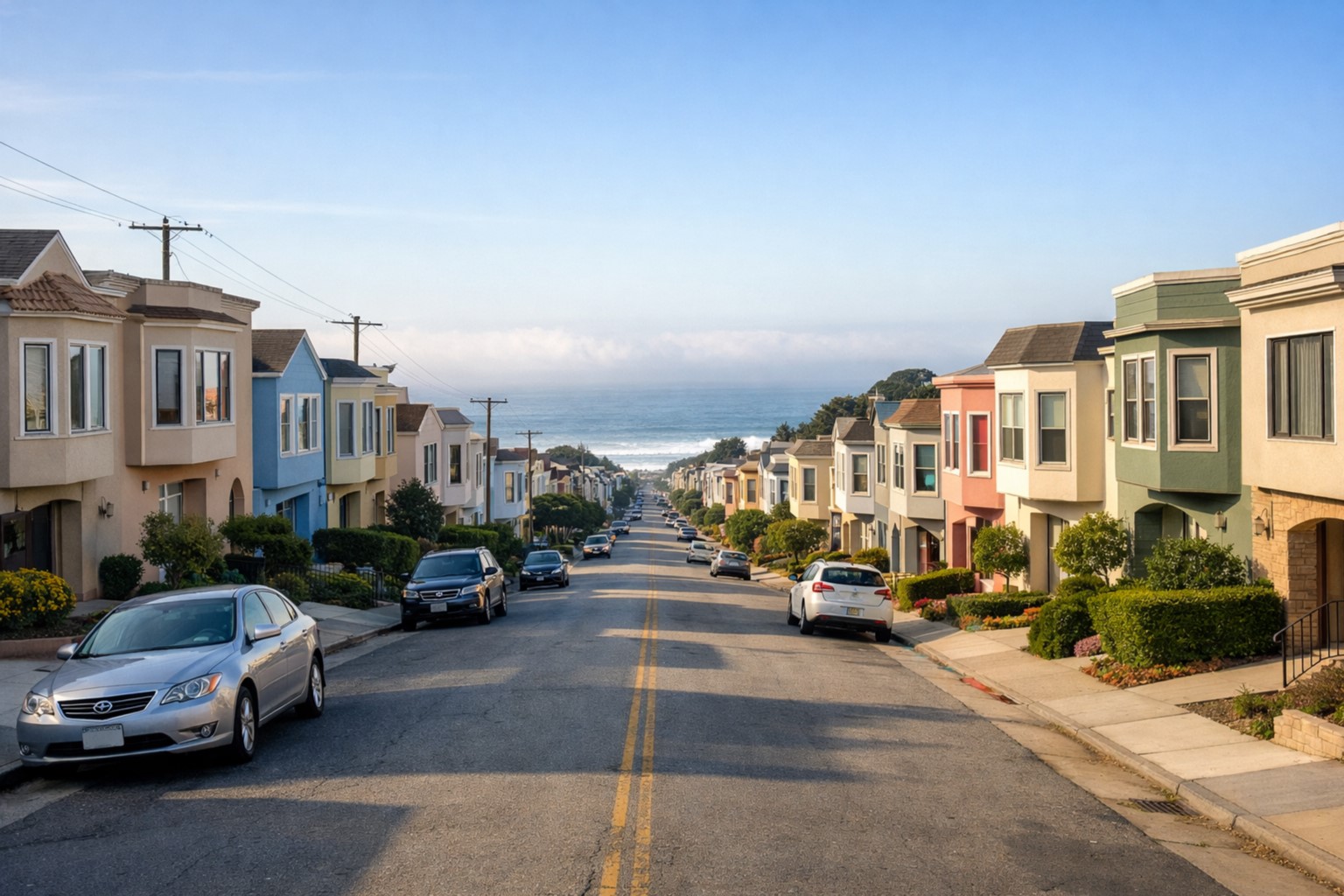
San Francisco has defied the skeptics. As of February 2026, the city has reclaimed its title as the most expensive rental market in the state. The “AI Gold Rush” has brought a new demographic of high-income renters who prioritize proximity to the “Cerebral Valley” hubs in Hayes Valley and SOMA.
- Median Rent: $3,700
- 1-Bedroom Average: $3,562
- 2-Bedroom Average: $4,900
- Year-over-Year Growth: +14%
The Mission District remains a blend of tech wealth and cultural heritage. Rents here have surged to $3,850 for a 1-bedroom, as the neighborhood’s vibrant nightlife and culinary scene continue to attract the new tech elite. However, this has also intensified displacement concerns for long-term residents.
Silicon Valley (Santa Clara County)
The demand in Santa Clara County is no longer just about “Big Tech” (Google, Apple, Meta); it is about the infrastructure of AI. Data from Apartments.com shows San Jose rents at $2,658, while RentCafe reports Santa Clara city at $3,465.
The East Bay (Alameda County)
Oakland and Berkeley are serving as the primary “relief valves” for San Francisco. While Oakland’s rent growth has been flat (+1%), Berkeley has seen a 6% increase due to the continued expansion of the University of California and the biotech corridor.
Southern California – A Market in Transition
View this post on Instagram
Los Angeles: The Cooling Giant
In a surprising turn, Los Angeles has seen a 14% year-over-year decrease in median rents. This is attributed to a massive wave of new luxury apartment completions in Downtown LA and parts of the Westside. As reported by the LA Times, it is finally a “renter’s market” in the City of Angels.
- Median Rent: $2,850
- Downtown LA: High vacancy rates in new towers have led to significant concessions.
- West Hollywood: Remains an outlier with a 30% surge in rents due to its unique lifestyle appeal.
San Diego: Coastal Demand vs. Affordability
San Diego continues to struggle with a severe supply shortage. While rents dipped 4% annually, they remain nearly 50% higher than the national average. Zumper data places the median rent at $2,795.
Orange County: The Suburban Stronghold
Orange County is the “stability” play of 2026. With a projected 3% growth, it remains a favorite for families seeking safety and top-tier schools. Keyrenter Newport Beach predicts average rents will reach $2,786 by mid-year.
The Inland Empire and Central Valley – The Affordability Frontier
The Inland Empire (Riverside & San Bernardino)
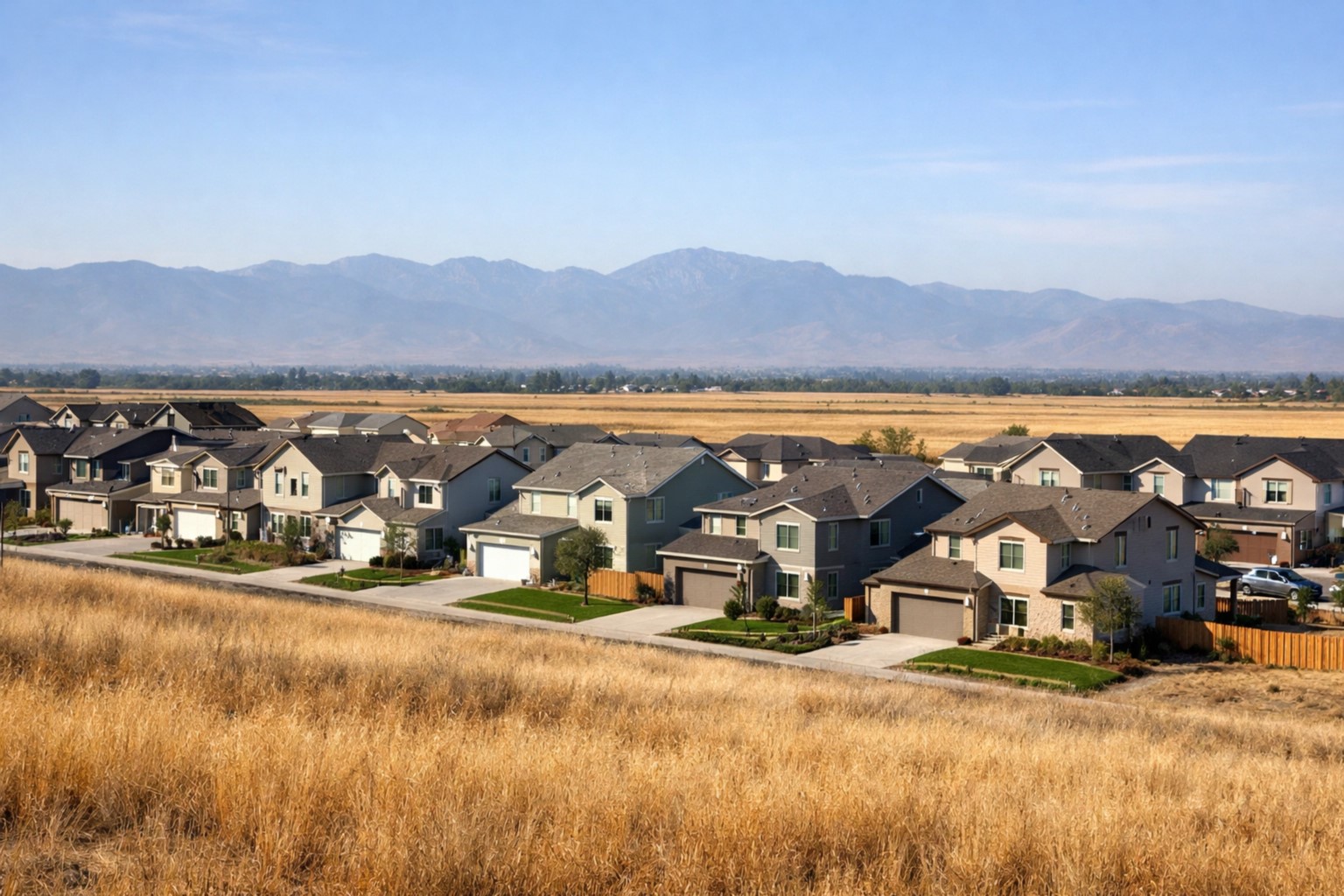
The “Logistics Capital of the World” is seeing a shift. As warehouse automation increases, the rapid rent growth of 2021-2024 has slowed. Riverside rents hover around $1,777 for a 1-bedroom, according to Steadily.
Sacramento: The State Capital’s Growth
Sacramento is no longer just a “cheap alternative.” It is a destination. The “State Worker Return-to-Office” mandate has forced thousands of remote workers back to the capital region, pushing median rents to $2,212.
Fresno and Bakersfield: The Last Bastions
For those seeking sub-$2,000 rents, the Central Valley remains the only option. Bakersfield leads the state in affordability with an average rent of $1,215.
Detailed County-by-County Rent Analysis
The following table provides a comprehensive look at estimated 2026 rental data for all 58 California counties. This data is extrapolated from current trends and historical growth patterns.
| County | Avg Rent (1-BR) | YoY Trend |
|---|---|---|
| Alameda | 2450 | +2.5% |
| Alpine | 1400 | Flat |
| Amador | 1550 | +1.2% |
| Butte | 1450 | +1.5% |
| Calaveras | 1600 | +2.0% |
| Colusa | 1300 | Flat |
| Contra Costa | 2300 | +2.1% |
| Del Norte | 1200 | Flat |
| El Dorado | 1850 | +3.0% |
| Fresno | 1650 | +4.5% |
| Glenn | 1250 | Flat |
| Humboldt | 1500 | +1.8% |
| Imperial | 1400 | +2.5% |
| Inyo | 1600 | Flat |
| Kern | 1350 | +1.7% |
| Kings | 1300 | +2.2% |
| Lake | 1450 | +1.5% |
| Lassen | 1100 | Flat |
| Los Angeles | 2295 | -14.0% |
| Madera | 1450 | +3.1% |
| Marin | 3200 | +3.5% |
| Mariposa | 1550 | Flat |
| Mendocino | 1750 | +2.0% |
| Merced | 1500 | +3.5% |
| Modoc | 1000 | Flat |
| Mono | 2100 | +4.0% |
| Monterey | 2400 | +2.5% |
| Napa | 2600 | +1.5% |
| Nevada | 1900 | +2.2% |
| Orange | 2786 | +3.0% |
| Placer | 2100 | +4.0% |
| Plumas | 1350 | Flat |
| Riverside | 1777 | +1.5% |
| Sacramento | 1995 | +2.5% |
| San Benito | 2100 | +3.0% |
| San Bernardino | 1829 | +2.1% |
| San Diego | 2195 | -4.0% |
| San Francisco | 3562 | +14.0% |
| San Joaquin | 1750 | +3.5% |
| San Luis Obispo | 2300 | +2.8% |
| San Mateo | 3147 | +2.0% |
| Santa Barbara | 2500 | +1.5% |
| Santa Clara | 3228 | +4.0% |
| Santa Cruz | 2800 | +2.2% |
| Shasta | 1400 | +1.8% |
| Sierra | 1300 | Flat |
| Siskiyou | 1200 | Flat |
| Solano | 1950 | +2.5% |
| Sonoma | 2350 | +2.0% |
| Stanislaus | 1650 | +3.2% |
| Sutter | 1450 | +2.1% |
| Tehama | 1300 | Flat |
| Trinity | 1250 | Flat |
| Tulare | 1400 | +3.5% |
| Tuolumne | 1550 | +1.5% |
| Ventura | 2450 | +2.2% |
| Yolo | 2100 | +3.1% |
| Yuba | 1500 | +2.5% |
Rent Control and Tenant Rights in 2026
The Impact of AB 1482
The California Tenant Protection Act of 2019 (AB 1482) continues to be the primary shield for renters. In 2026, the statewide rent cap is set at 5% plus the local CPI, or 10%, whichever is lower. This has prevented the double-digit spikes seen in other states, though it does not apply to buildings constructed in the last 15 years.
Local Rent Control Updates
- San Francisco: The Rent Board announced a 1.4% allowable increase for rent-controlled units for the period ending February 28, 2026.
- Orange County: Set a 3% CPI cap for 2026, as detailed by the Apartment Association of Orange County.
The “Super-Commuter” Phenomenon
A significant trend in 2026 is the rise of the “Super-Commuter.” Individuals working in Silicon Valley but living in Tracy (San Joaquin County) or Los Banos (Merced County) have driven up rents in these inland hubs by over 3.5% annually. This “outward ripple” effect is a direct result of the extreme pricing in the Bay Area core.
How to Find a Good Deal?
- Look for “Lease-Up” Concessions: In Los Angeles and San Diego, new buildings are offering up to 10 weeks of free rent to reach occupancy targets.
- The “Winter Window”: Data shows that moving in January or February saves an average of $150/month compared to peak summer months.
- Negotiate on Parking: With car ownership slightly declining in urban cores, many landlords are willing to waive parking fees to secure a stable tenant.
In 2026, “junk fees” (e.g., mandatory valet trash, administrative fees) are under heavy scrutiny by the California Attorney General. Renters should challenge any fee not explicitly disclosed in the initial advertisement. The San Bernardino County Community Indicators report suggests that transparency in leasing is becoming a key factor in tenant retention.
Conclusion
The California rental market in 2026 is a story of resilience and adaptation. While the “Great Migration” out of the state has slowed, the internal shift toward high-tech hubs and affordable inland cities continues. For the millions of Californians who call a rental “home,” 2026 is a year of cautious optimism. The market is no longer the “wild west” of 2022, but it remains a high-stakes environment where data and timing are everything.
Predictions for 2027:
- San Francisco will likely break the $4,000 median rent barrier by Q3 2027 if the AI boom continues at its current pace.
- Los Angeles rents will remain flat as the inventory of 20,000+ new units is absorbed.
- The Central Valley will see the highest percentage growth as coastal residents seek the last remaining pockets of affordability.
References
- Zillow Rental Manager – Average Rental Price in California
- SmartAsset – 2026 Cost of Living in California
- Zumper – National Rent Report of 2026
- LA Times – L.A. rent prices drop to four-year low
- ATTOM Data Solutions – 2026 Rental Affordability Report
- Zumper – Average Rent in San Francisco, CA and Rent Price Trends
- Apartments.com – Average Rent in San Jose, CA
- Apartments.com – Average Rent in Santa Clara, CA
- RentCafe – Average Rent in Santa Clara, CA
- Apartments.com – Average Rent in Alameda, CA
- Zumper – Average Rent in Alameda, CA and Rent Price Trends
- Zumper – Average Rent in Los Angeles, CA and Rent Price Trends
- Zumper – Average Rent in San Diego, CA and Rent Price Trends
- Keyrenter Newport Beach – 7 Rental Market Trends Every Orange County Landlord Needs to Know in 2026
- Apartment Association of Orange County – CPI Update 2025-26
- Steadily – What’s The Average Rent In Riverside, CA – 2026
- San Bernardino County Community Indicators – Rental Affordability
- Apartments.com – Average Rent in Sacramento, CA
- The Desert Review – Is it cheaper to buy or rent in Sacramento in 2026?
- Steadily – What’s The Average Rent In Fresno, CA – 2026
- The Business Journal – Fresno and Bakersfield climb in renter rankings
