

The Florida real estate market cooled through 2025. Prices eased from the highs, inventory rose, and homes took longer to sell in many metros.
Buyers regained leverage, while sellers had to work harder on price and presentation. Insurance and HOA costs stayed high and kept reshaping what people can afford.
It is expected that 2026 will continue that slower, more balanced pattern. Forecasts point to mostly flat to modest price movement statewide, with big differences by city and neighborhood.
The rest of the article lays out what the 2025 data signals for 2026 and what that means for buying or selling a house in Florida.
Market Recap From 2025
- Prices in Florida edged down in 2025, with the typical home value around $375k by late year.
- Sales prices mostly hovered in the low $400k range, a small drop from 2024.
- More homes came up for sale, so buyers had more to choose from.
- Homes sat longer before selling, often a few months instead of a few weeks.
- Insurance costs stayed high and kept stretching monthly budgets.
Price Outlook For 2026
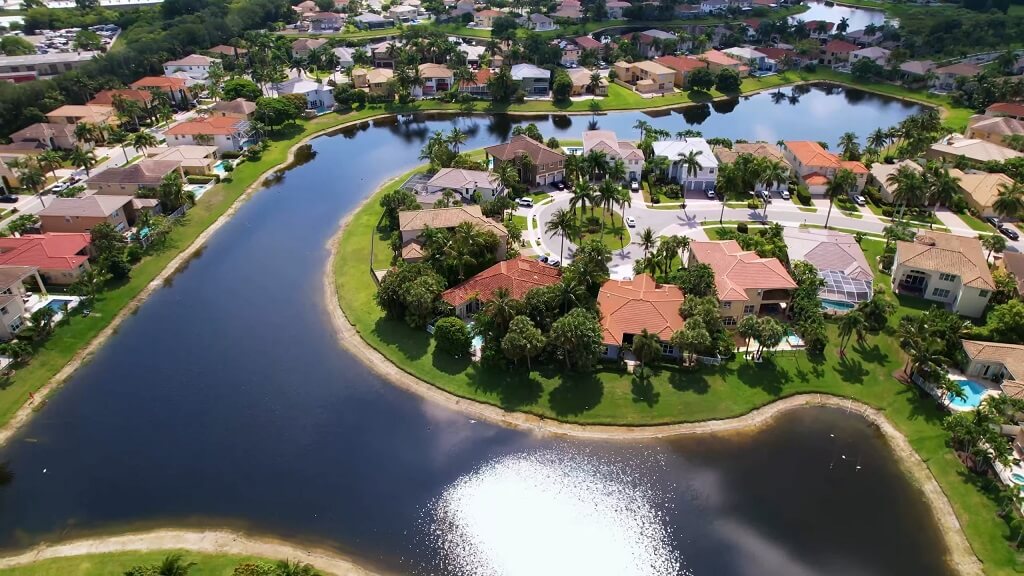
Published forecasts for 2026 point to small price moves, not a big swing either way.
| Source | Forecast focus | 2026 call |
| Fannie Mae Home Price Expectations Survey (panel of housing economists) | US home prices | About +1 percent growth |
| National Association of Realtors outlook | US prices and sales | About +4 percent price growth, sales up meaningfully |
| Florida Realtors market outlook | Florida direction | Stabilization with mild gains, not a reset |
Florida tends to follow the national direction, then local conditions decide who does better or worse.
Three main factors will affect the real estate market in 2026.
- Higher inventory in many metros. More supply in 2025 pushed buyers into a stronger spot. That limits fast price growth early in 2026 unless inventory tightens.
- Insurance and HOA costs are shaping demand. In places where carrying costs are high, buyers cap what they will pay, even if list prices look fair on paper.
- Local demand split. Luxury coastal pockets, especially in South Florida, still get support from cash-heavy demand. Meanwhile, several Southwest Florida markets that cooled fastest in 2025 remain the most likely to stay flat or soft through part of 2026.
Inventory And Days On Market Trends

- Buyers should keep seeing solid selection and negotiating room in areas where listings stay high.
- Sellers should plan for longer timelines and price correctly from day one, especially in condo-heavy or high-insurance pockets.
Inventory was the big reset button in 2025.
More owners listed homes, builders kept delivering projects started earlier, and buyers did not rush the way they did a few years back.
Florida Realtors measured single-family supply around the low-to-mid 5-month range in 2025, which is the classic sign of a balanced market.
Redfin also tracked listings rising year over year into late 2025, while sales only partly caught up.
Time on market followed the same direction.
By late 2025, the typical Florida home was taking roughly two to three months to go under contract and close to three months to fully sell in some data sets.
Price cuts became common, with HousingWire reporting that roughly four in ten listings had cut prices by the end of 2025.
When supply rises, and buyers have space to think, listings that start a bit too high usually slow down and then adjust.
Many sellers are still “locked in” to low mortgage rates and are moving slowly, yet the pool of active listings built during 2025 does not vanish overnight.
Days on market are also expected to stay longer than the boom era, because higher monthly costs keep buyers cautious and selective.
But the type of real estate you are selling can also make a difference. For example, a small apartment in Tampa usually spends less time on the market compared to a luxurious villa in the southern parts of Florida.
The same is with mobile homes. Since they are quite popular in the Sunshine State, you can easily sell one by simply looking for Cash Mobile Home Buyers in Florida, who are known for offering quick deals and hassle-free transactions. This makes the selling process much smoother, especially for owners who want to close the deal without delays.
Mortgage Rate Expectations

2026 will still be shaped by mortgage costs. Rates will not go back to the ultra-low era, yet forecasts point to a gradual easing that should bring more buyers back into the market than in 2025.
Buyers will keep shopping by payment, not by list price.
What is likely to show up in day-to-day deals:
- More buyers will re-enter once rates drift down, yet budgets will remain sensitive.
- Seller incentives will stay common in 2026, especially rate buydowns and closing credits, since they cut the monthly payment directly.
- Coastal and high-priced metros will still feel the most pressure, because insurance and HOA costs will sit on top of the mortgage.
Insurance, Flood Risk, And Total Monthly Cost
Insurance will remain crucial in the Florida real estate market during 2026.
What Insurance Trends Will Carry Into 2026?

Patterns from 2025 will continue to matter next year.
- Premiums will stay high by national standards, even if increases slow in some areas.
- Buyers will keep treating insurance as part of the price, because it changes the monthly budget more than a small price move.
- Homes that are harder to insure will keep facing longer listing times and tougher negotiations.
Flood Risk and Pricing in 2026
The insurance from flood will continue to use the current FEMA Risk Rating model.
Flood insurance in 2026 will still follow FEMA Risk Rating 2.0, which prices policies based on the specific risk of each property.
Buyers in flood zones will likely see big premium gaps from one neighborhood to another, and sometimes even between nearby houses.
New Construction And Builder Incentives
Builders use incentives to make a deal work on a monthly cost.
Instead of only cutting the price, they add tools that lower payments or raise value in ways buyers notice right away.
Here are the common incentives in Florida new-build deals.
1. Mortgage Rate Buydowns
A company pays to drop the buyer rate for a set time, often one or years one and two.
The most common setup is a 2-1 buydown: lower rate year one, a bit higher year two, then the loan rate after that.
2. Closing cost credits
Builder covers part of the closing costs, usually tied to using a partner lender. Credits may cover lender fees, title, escrows, or prepaid items.
3. Discounts on spec homes
Spec homes are already built or close to done. Builders price these more aggressively to clear inventory.
4. Free upgrades
Instead of dropping the price, the builder includes extras like appliances, flooring, cabinets, counters, blinds, impact windows, or basic yard work.
5. Deposit and timing help
Lower deposits, staged deposits, longer close windows, or flexibility for buyers waiting to sell another home.
6. Warranty or fee perks
Longer warranties, paid HOA months, or service credits in some communities.
Over the next 12 months, these incentives will likely keep new-build sales moving even if resale stays slower. That will pressure resale sellers near large developments to price tighter or offer concessions to compete.
Condo Market And HOA Fee Pressure

New safety and reserve rules mean older buildings must do milestone inspections and fund reserves for big repairs.
For regular owners, this has already shown up as higher monthly HOA fees, plus special assessments that can run into the tens of thousands for some units.
In 2026, buyers will keep treating those costs like part of the purchase price, because lenders and insurance companies do the same.
What regular buyers should watch for next year:
- Reserve health matters. A building with thin reserves can hit owners with large assessments fast. Ask for the latest reserve study and budget summary before you get serious.
- Special assessments are not rare anymore. If an assessment is approved or being discussed, it changes what the unit is worth to buyers. For negotiations, that number belongs in the offer discussion.
- Financing can be a problem in older buildings. Some buildings struggle to meet lender rules for reserves or inspections. If a building has limited mortgage options, cash buyers get leverage, and financed buyers may have trouble closing.
- Insurance cost passes through to fees. Even if your unit insurance looks normal, the master policy for the building can jump, and that feeds straight into HOA dues.
View this post on Instagram
Where Prices May Rise, Hold, Or Slip
Local supply and local costs will decide the pace. Two neighborhoods in the same metro can feel like different states.
Areas With Lots of New Construction Will Stay Competitive
When builders keep delivering homes, resale sellers nearby have to compete on price or terms.
That tends to keep price growth subdued in those pockets.
Coastal, High-Risk Zones Will Stay Payment-Sensitive
Insurance and flood premiums push buyers to a monthly limit quickly. That creates price pressure even if demand is steady.
Job-Centered Inland Metros Tend to Hold up Better
Places where people buy for year-round living and work usually see more stable demand than tourist or second-home heavy zones.
South Florida Luxury Behaves Differently
Cash buyers and international demand keep supporting higher-end pricing there, even when the broader market is slower.
Southwest Florida Still Carries The Most Hangover From the Boom
Markets that ran hottest and then cooled hardest in 2025 are the ones most likely to stay flat or soft early in 2026.
Do not rely on statewide averages when you set a budget or a listing price.
Look at recent sales, active inventory, and price cuts in the exact ZIP code or even the exact subdivision.
What Buyers Can Expect In 2026
Buying next year should feel more normal than the frenzy years. More listings will be sitting long enough for buyers to compare options, talk numbers, and walk away if the deal does not work.

What buyers will likely run into:
More Choices, Less Rush
Many areas will keep enough inventory that you can tour, think, inspect, and negotiate without racing other buyers.
Negotiation Will Stay Part of the Process
Sellers who want to move a home will often be open to credits, repairs, or rate help, especially if the listing has been up for weeks.
Payment Math Will Decide Everything
Mortgage, insurance, flood, taxes, HOA. Buyers who only look at the list price will be surprised later.
Insurance Checks Will Happen Earlier
More buyers will ask for insurance quotes before making an offer, because a bad premium can kill affordability.
Condos Will Need Extra Homework
Fees, reserves, assessment plans, and lender approval status can change value more than a small price cut.
Buyer Strategies For 2026
The market pace is slower, the choice is wider, and sellers often expect negotiation.
Use that setup to stay in control from the first showing to the final numbers.
Build The Budget Around Total Monthly Cost
Start every search with the payment, not the list price. Add mortgage, property taxes, homeowners’ insurance, flood insurance when relevant, plus HOA or condo fees.
In many Florida areas, insurance and fees can change affordability more than a small price move.
If the monthly total works, the deal can work. If it does not, the rest does not matter.
Get Insurance Answers Before Writing An Offer
Call for quotes on the specific address before committing. Ask about roof age, wind mitigation, prior claims, and flood zone status.
If a premium comes back high or coverage is hard to place, that is leverage for price or credits.
It also protects you from a surprise that shows up after inspection.
Let Time On Market Guide Negotiation
Days on market are a signal. A home that has sat for several weeks usually has a price problem, a cost problem, or both.
Check the listing history and look for earlier price cuts. Use that data to ask for a better number, closing cost help, repair credits, or rate buydown support.
Compare New Builds With Resale Homes
Builders often lower the payment through rate buydowns, closing credits, or upgrade packages.
Run the same monthly-cost math for a new build and a resale in the same area.
If a builder deal clearly wins on payment, use that to negotiate harder on resale options nearby.
Focus On Micro Areas, Not Statewide Headlines
Florida averages hide big splits.
Track recent sales, active listings, and price cuts in the exact ZIP code or subdivision you want. If inventory is high there, you have room to negotiate.
If inventory is tight, move faster and lead with clean terms.
Keep Inspection And Repair Leverage In Play
In a slower market, inspections carry weight again.
Use a thorough inspection, then negotiate based on real findings, especially on roof condition, water intrusion, electrical, and structural items.
Those issues connect straight to insurance cost and resale value, so they matter more than cosmetic flaws.
Plan Timing Around Season And Inventory
Florida usually sees more listings in spring and early summer, then a slowdown later in the year.
If you want maximum selection, shop during the peak listing season.
For maximum leverage, look for when inventory is high and demand is softer in your target area.
What Sellers Can Expect In 2026

Selling during the next year will feel slower than the boom years and more dependent on getting the basics right.
Inventory is likely to stay higher than early-2020s levels in many metros, so buyers will keep having choices.
That usually means fewer impulse offers and more back-and-forth on price and terms.
Expect buyers to show up better informed. Many will come with insurance quotes, HOA questions, and a clear monthly budget before they even tour.
Homes that are move-in ready, easy to insure, and priced close to recent local comps should still sell cleanly.
Local differences will stay big.
Some neighborhoods will move fast because supply is tight. Others will stay slow because new builds, condos, or high insurance risk keep demand cautious.
Next year will reward sellers who read the exact pocket market, not the statewide headline.
Seller Strategies For 2026
Getting a sale done in 2026 will be about preparation and pricing discipline. Buyers have time and options, so the listing has to make sense on day one.
Price From Actual Local Comps
Start from recent closed sales in the same ZIP or subdivision, matched by size, condition, age, and insurance profile.
A list price based on 2022 memory usually leads to weeks of silence, then cuts.
Make Insurance Easy To Understand
Bring roof age, wind-mitigation proof, and recent insurance premium numbers to the table early. Buyers will ask anyway, and lenders care.
A clean insurance story protects price and speeds up underwriting.
Expect To Offer Some Form Of Help
Closing credits, repair credits, or rate buydown support will stay normal tools next year, especially in high-inventory areas.
Sellers who plan for concessions from the start avoid last-minute panic.
Fix The Obvious Stuff Before Listing
Roof issues, water damage, old electrical panels, or tired HVAC systems scare buyers because each one can raise insurance or future costs.
Handling visible problems up front often costs less than the price cut buyers will demand later.
Enhancing outdoor features like a backyard lake or pond can also increase a property’s appeal and perceived value. For sellers with such features, investing in water quality and aesthetics through equipment like aerators, fountains, and aquatic vegetation tools can make a difference.
Consider purchasing systems and equipment similar to those you can find at Admiral Lake and Pond Restoration for professional-grade equipment and restoration services tailored to lakes and ponds. Without a doubt, this is something that can help with increasing the property value.
Watch The Neighborhood Supply Weekly
If new listings keep stacking up around you, prices will tighten. If it stays thin and homes move fast, hold ground.
Market speed in 2026 will be local, so track it like the weather.
Rental Market And Investor Activity
Rent growth has cooled a lot since the pandemic run-up.
Florida still has strong demand from movers and workers, yet a wave of single-family rentals and new apartments has added supply.
In many metro areas, landlords have had to compete on price, concessions, and upgrades to keep occupancy high.
For investors, the math stays tougher than it was in 2021. Higher mortgage rates, higher insurance, higher taxes, and rising HOA fees eat into cash flow.
Deals that still work tend to be either bought with large down payments, bought under market, or located in areas where insurance and vacancy risk are lower.
Short-term rental zones are more volatile because demand can swing with travel trends and local rules.
Regular renters should see more choice than a few years ago, plus less pressure to accept the first unit they tour. Owners who rely on rent increases to cover costs will face more pushback in 2026.
Key Risks And Wild Cards For 2026
Several things could shift the market faster than forecasts expect.
Hurricane Season
One severe season can spike insurance costs again and freeze deals in high-risk zones.
Mortgage Rate
If rates fall faster than forecasts predict, demand could firm up quickly. If rates stay stuck, sales stay slow.
Insurance Reform
More private insurers entering the market would ease pressure. Another round of exits would do the opposite.
Condo Repair Waves
More buildings hitting inspection deadlines could mean more assessments and more condo listings in certain cities.
Job Market and Migration
Florida real estate demand depends on people moving in and feeling confident about their income.
The Bottom Line
Florida in 2026 should feel calmer than the past few years. Prices are expected to shift only a bit statewide, but every city and neighborhood will act differently.
What happens in your area will matter more than any Florida average.
Buyers will likely have more choice and more room to negotiate, as long as the monthly cost adds up.
Sellers will still be able to get good results, but only with the right price and a clear handle on insurance and HOA costs.
Stick to local facts, run the full payment math early, and you will be in a good spot to make a smart move next year.