

Texas drivers are being urged to pay closer attention on the road as a new expansion of the state’s Move Over or Slow Down law officially takes effect.
Beginning September 1, 2025, the law now extends protections not only to law enforcement, emergency responders, and highway crews, but also to animal control officers and parking enforcement personnel who work along busy roads and city streets.
The update reflects something many Texans already recognize when driving through cities and highways each day. More and more public workers are performing their duties just feet from fast-moving traffic.
Whether responding to a stranded animal, issuing parking citations, or assisting in roadside safety, these workers face the same risks as other first responders. The law now formally recognizes that reality.
Why the Law Exists in the First Place
Texas has one of the largest and busiest highway systems in the country. Thousands of people work every day along those roadways, including law enforcement officers, tow truck drivers, utility crews, TxDOT workers, and emergency responders. These jobs routinely place workers in extremely vulnerable positions as vehicles pass at high speeds only inches away.
State transportation and public safety officials say that distracted driving, speeding, and inattention have made roadside work increasingly dangerous. Even a single moment of driver negligence can lead to catastrophic consequences for someone standing on the shoulder of a road doing their job.
The Move Over or Slow Down law was created to reduce exactly that risk by forcing drivers to take visible, measurable action when approaching roadside workers with flashing lights.
What Drivers Are Required to Do Under Texas Law
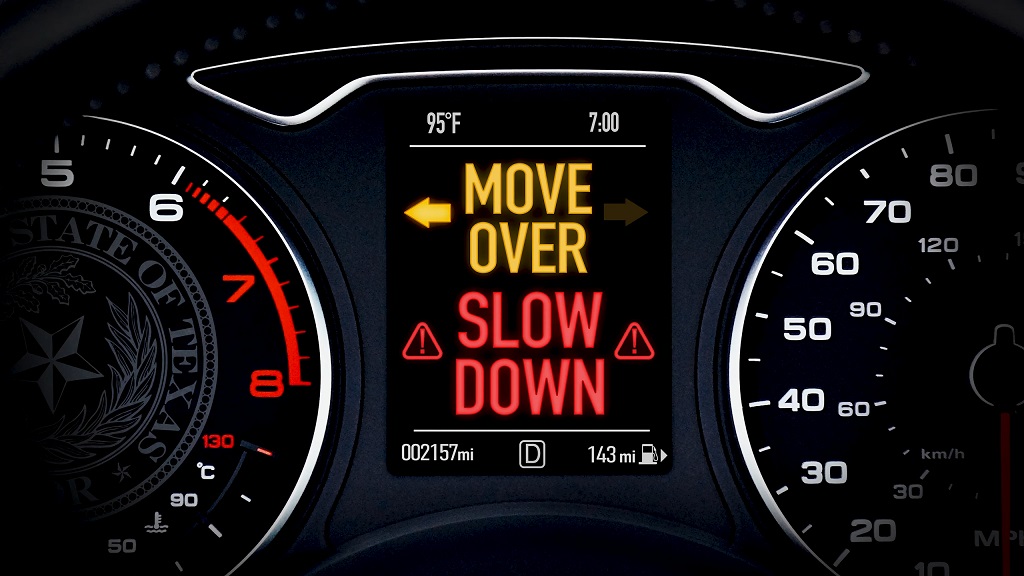
When approaching any authorized roadside vehicle using flashing lights, drivers are already required to take one of two actions:
If possible, drivers must move over one lane away from the stopped vehicle.
If changing lanes is not safe or possible, drivers must slow down by at least 20 miles per hour below the posted speed limit.
These rules apply on highways, surface streets, and any roadway where emergency or service vehicles are stopped with activated lights.
Traffic officials emphasize that slowing down early is critical. Waiting until the last second significantly increases the risk of losing control or striking someone on the roadside.
What Changed on September 1, 2025
The major change that took effect on September 1, 2025, is the formal inclusion of animal control officers and parking enforcement personnel under the same protections already provided to law enforcement, tow trucks, utility crews, and TxDOT workers.
When you see emergency vehicle’s lights flashing ahead on the side of the road, that means it’s time to move over or slow down. It’s the law.
By passing emergency vehicles carefully, you are helping ensure that our first responders and roadside personnel can do their jobs… pic.twitter.com/ms3ymldCuB
— Texas DPS (@TxDPS) October 3, 2025
That means when drivers see:
- Animal control vehicles with flashing lights
- Parking enforcement vehicles stopped with lights activated
They are now legally required to move over or slow down in the same way they would for police, firefighters, or roadside assistance crews.
Texas Department of Transportation officials say the expansion reflects the reality of modern road operations. Animal control and parking officers increasingly work in active traffic zones, often in unpredictable situations that place them at serious risk.
Penalties for Violating the Law
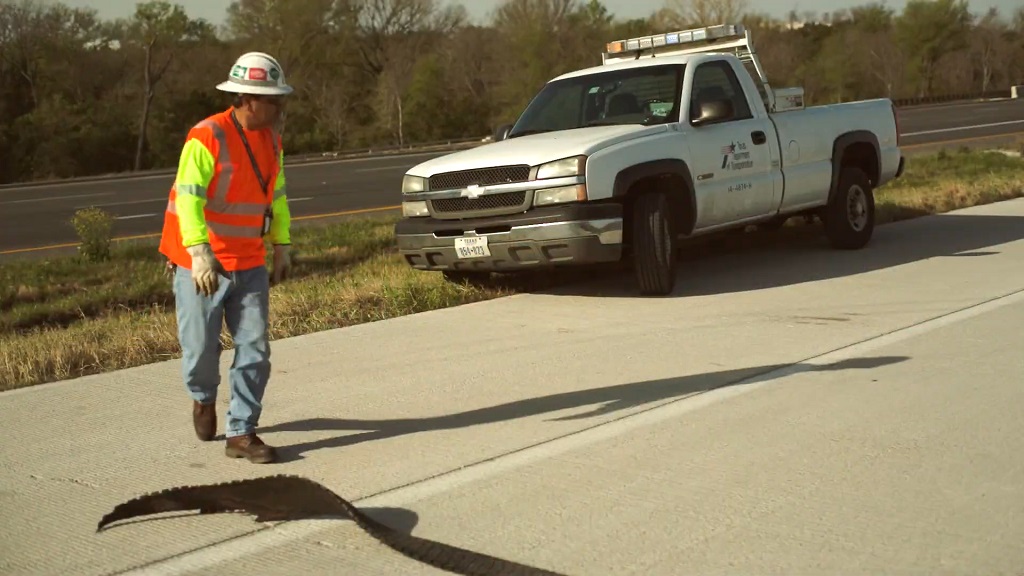
Texas does not treat violations of the Move Over or Slow Down law lightly.
A first offense can lead to a fine of up to $1,250.
If a driver causes serious bodily injury while failing to follow the law, penalties can climb as high as $4,000, along with the possibility of jail time.
State officials stress that these penalties are meant to reinforce that this is not a courtesy rule. It is a safety law designed to prevent injuries and deaths.
Traffic attorneys across Texas say Move Over or Slow Down violations often show up in some of the most serious roadside crash cases they handle. When a driver strikes a stopped service vehicle, animal control unit, or parking enforcement officer, investigations frequently reveal distraction, excessive speed, or failure to change lanes.
In South Texas, for example, a Laredo car accident attorney regularly sees cases where drivers ignore flashing lights and cause life-altering injuries to roadside workers and bystanders alike. These crashes often lead to complex liability claims because the driver violated a clear safety statute designed specifically to prevent this type of collision.
Why Officials Are Renewing Public Warnings
With the new expansion now in place, Texas transportation and public safety officials are renewing their public call for drivers to remain alert and slow down whenever they approach roadside activity.
Ver esta publicación en Instagram
TxDOT points out that roadside workers often rely entirely on driver cooperation for their safety. Cones, lights, and reflective gear can only do so much. Ultimately, every passing driver becomes part of that safety system.
Officials specifically advise drivers to:
- Stay alert at all times
- Reduce speed well before reaching roadside scenes.
- Avoid distractions such as phones or in-vehicle screens.
- Follow instructions from the emergency and roadside personnel.
- Be prepared for sudden lane changes or traffic slowdowns.
They emphasize that most roadside tragedies are preventable when drivers simply react sooner and more carefully.
What This Means for Everyday Drivers
For the average Texas driver, this law change means something very simple. If you see flashing lights on the shoulder, whether from police, emergency responders, tow trucks, TxDOT workers, animal control, or parking enforcement, you must now treat that scene the same way: move over when you can, slow down when you cannot.
This applies on highways, downtown streets, residential zones, and anywhere roadside work is happening. It also applies regardless of how routine the situation might look. What feels like “just” a parking officer issuing a ticket is still someone standing in live traffic.
The Human Reality Behind the Law
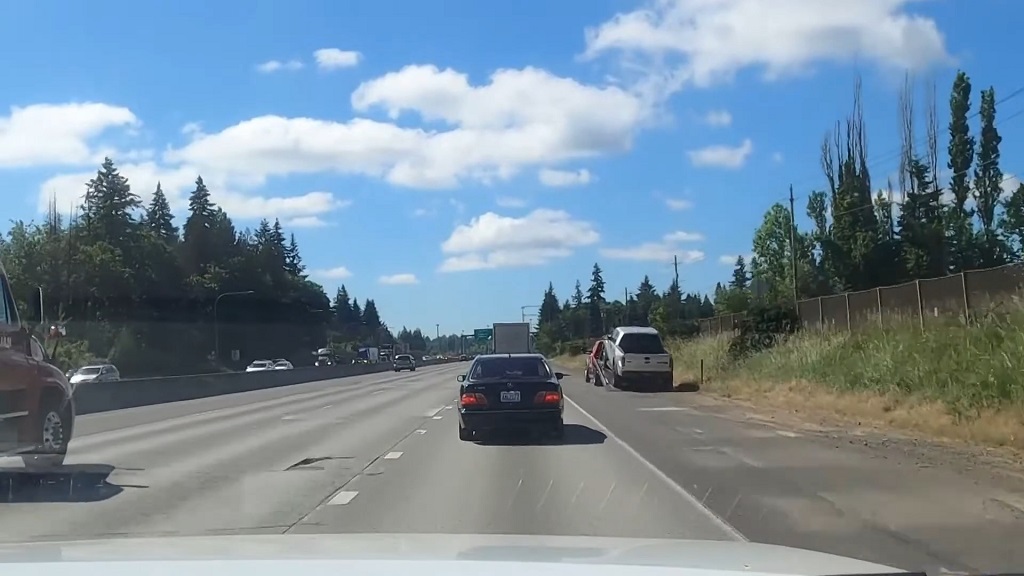
Behind every flashing light is a person who expects to go home safely at the end of their shift. Many of these workers spend long hours exposed to heat, rain, traffic noise, and fast-moving vehicles while focused on helping others, enforcing laws, or keeping public spaces safe.
State officials say the expanded law is a reminder that all public workers operating on Texas roads, not just traditional first responders, deserve the same level of protection and respect from passing drivers.
Bottom Line
The updated Texas Move Over or Slow Down law is not just a technical legal change. It is a recognition that roadside danger has expanded beyond police and tow trucks to include animal control officers and parking enforcement personnel who now routinely work in active traffic zones.
Starting September 1, 2025, drivers who ignore flashing lights from these vehicles face the same legal responsibilities and the same serious penalties. More importantly, they risk someone’s life.
Moving over or slowing down takes only a few seconds. Failing to do so can change lives forever.