

New York drivers are facing stricter rules after the state updated how traffic violations add up under the DMV point system. Several offenses now carry higher point values, and the threshold that can trigger a suspension has been lowered. That combination means drivers can reach serious consequences faster than before.
State officials say the goal is to crack down on repeat and dangerous behavior, particularly in areas like work zones and school bus safety. The changes also extend how far back violations can be counted, giving the DMV a longer window to review a driver record. For anyone with recent tickets, the math just got more serious.
More Violations Now Lead To Faster Suspensions
Alcohol or drug-related convictions and certain unlicensed operation offenses now carry 11 points, enough to place a driver over the suspension line in a single case.
Longer tracking combined with heavier penalties changes the math for drivers who already have tickets on record. Two violations within two years can now push a total past the suspension threshold much faster than before. A mistake in a work zone followed by another moving violation months later may be enough to trigger a review.
Stricter enforcement also increases the stakes after a crash. Disputes over fault can directly affect point totals, insurance costs, and license status.
Why Dash Cams Matter More Than Ever
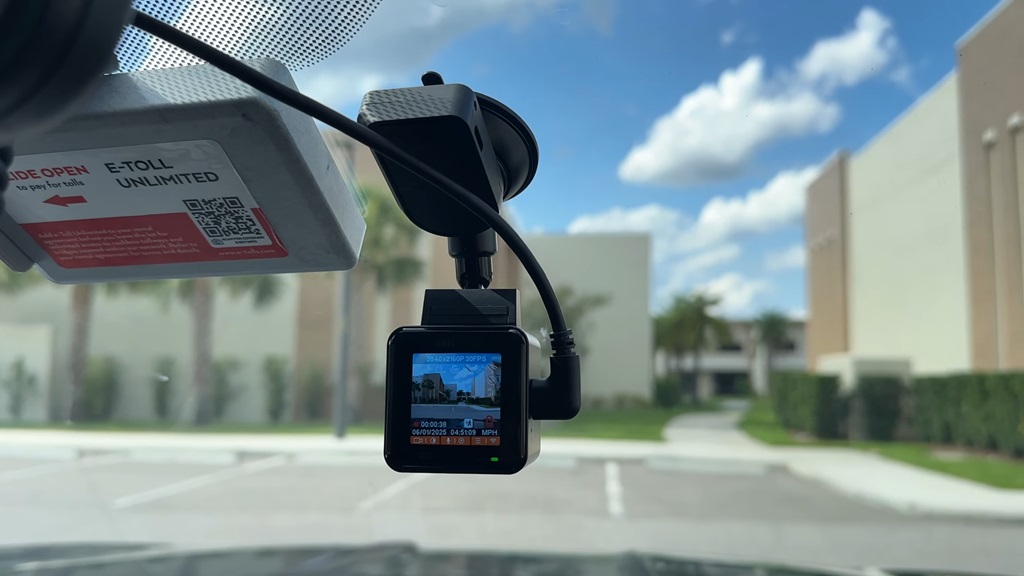
Stricter enforcement increases the stakes after a crash or roadside stop. Disputes over fault can directly affect point totals, insurance costs, and license status. Clear video evidence can make the difference when accounts conflict. Many drivers now rely on dash cams to document what happened in real time, especially in high risk areas like work zones or busy intersections.
Choosing the best dash cam for daily driving adds a layer of protection that goes beyond convenience. When points can lead to suspension faster than before, documentation from dash cams may help prevent a wrongful citation from turning into a license problem.
Updated Point Values, Lower Suspension Threshold
Some offenses that previously carried no points now add significant weight to a record.
Below is a breakdown of the most notable changes now in effect:
| Violation | Previous Points | Current Points |
| Alcohol or drug related conviction or incident | 0 | 11 |
| Aggravated unlicensed operation | 0 | 11 |
| Overtaking or passing a stopped school bus | 5 | 8 |
| Speeding in a construction zone | Based on speed | 8 |
| Over height vehicle or bridge strike | 0 | 8 |
| Leaving the scene of a personal injury crash | 3 | 5 |
| Failure to exercise due care | 2 | 5 |
| Facilitating aggravated unlicensed operation | 0 | 5 |
| Speed contests and races | 0 | 5 |
The New 24 Month Look Back Window

New York has expanded the review period for point accumulation from 18 months to 24 months, giving the DMV a longer timeline to evaluate repeat violations. Points are still tied to the date of the offense, which means older tickets can now carry consequences for a longer stretch of time.
- Suspension review threshold lowered to 10 points
- Review window extended to 24 months
- Points calculated from violation date, not conviction date
Under the previous structure, drivers could age out older violations after 18 months. The new two year window keeps those points active longer. A ticket issued nearly two years ago can now combine with a recent violation and trigger a review.
Consider a driver who received 5 points last year. Under the new rules, an 8 point construction zone speeding violation within 24 months brings the total to 13 points. That exceeds the 10 point suspension review threshold.
An 11 point violation, such as certain alcohol or drug related offenses, places a driver above the review line in a single case.
Financial Impact
Drivers who accumulate 6 or more points within the review period are subject to a Driver Responsibility Assessment.
- 300 dollars total for 6 points, paid over three years
- 75 dollars added for each point above 6
- 750 dollars total assessment for alcohol or drug related convictions
Higher point values increase the likelihood of triggering both suspension review and long term financial penalties.
State officials have said the expanded look back period is intended to strengthen oversight of repeat and high risk drivers. By extending the timeline, regulators aim to identify patterns of unsafe behavior rather than isolated incidents.
Violations With The Biggest Point Increases
Several violations saw the sharpest increases in point value under the updated system, shifting them from secondary penalties to suspension level risks.
Passing a stopped school bus now carries 8 points, up from 5. Speeding in a construction zone is assigned a flat 8 points, regardless of the speed tier. Leaving the scene of a personal injury crash rises from 3 to 5 points. Failure to exercise due care increases from 2 to 5 points.
Some violations that previously carried no points now carry significant weight. Aggravated unlicensed operation and alcohol or drug related convictions now carry 11 points. Over height vehicle or bridge strikes are assigned 8 points. Speed contests and races now add 5 points.
A single high value violation can now account for most or all of the 10 point suspension review threshold. The updated values place greater emphasis on work zone safety, school transportation protection, and impaired or unlicensed driving.
Construction Zone And School Bus Penalties Get Tougher
Work zones and school bus stops are areas where enforcement has intensified in recent years. The new point structure reinforces that focus.
Construction zone speeding now results in 8 points, creating a direct path to suspension review after just one additional moving violation. School bus passing violations also rise to 8 points, reflecting the state position that child safety violations warrant stronger penalties.
Both categories already carried significant fines and, in some cases, additional civil penalties. The updated point values layer administrative risk on top of those financial consequences.
Drivers who operate in urban construction corridors or school heavy areas face higher exposure under the revised system. A single lapse in attention can now carry long term impact on license status.
What The Changes Mean For Drivers With Recent Tickets
Drivers who received violations within the past two years should understand that older points remain active longer than before.
A violation issued 20 or 22 months ago now still counts toward the 24 month total. That extended window may place drivers closer to the 10 point review threshold than expected.
Insurance implications may also follow. Higher point totals often correlate with premium adjustments. The administrative review process, combined with financial assessments tied to point accumulation, increases the long term cost of repeat violations.
For drivers with pending cases, outcomes now carry greater weight. A conviction that adds 5 or 8 points could alter license status depending on existing totals.
Frequently Asked Questions
The Bottom Line
New York has tightened its driver point system in ways that make suspension reviews happen faster and with fewer violations. Higher point values, a lower 10 point threshold, and a 24 month look back window combine to reduce the margin for repeat mistakes. Offenses that once carried limited weight now have the power to push a driver into review territory quickly.
For motorists, the update changes the risk calculation. Older tickets remain active longer, major violations carry heavier impact, and financial penalties can stack alongside administrative action. Staying aware of current point totals and understanding how quickly they can add up has become more important than ever.
