

Many American travelers return to Europe again and again, often choosing Paris, Rome, Amsterdam, Barcelona, or London.
Europe also offers smaller cities that deliver memorable stays with fewer crowds and better prices.
Precisely for that reason, we will discuss destinations that offer on history, food, architecture, and daily life that feels authentic and relaxed.
| # | City | Country | Overall Vibe | Why It Works Well for Americans |
| 1 | Ljubljana | Slovenia | Relaxed, storybook-like, youthful | Compact size, easy day trips, calm pace |
| 2 | Vienna | Austria | Elegant yet modern, cultural | Strong transit, arts access, simple side trips |
| 3 | Bratislava | Slovakia | Calm, approachable, affordable | Lower costs, small scale, easy navigation |
| 4 | Turin | Italy | Refined, food-focused, understated | Fewer crowds, strong food culture, walkable |
| 5 | Belgrade | Serbia | Energetic, bold, social | Budget-friendly, welcoming locals, vibrant nights |
| 6 | Dijon | France | Slow-paced, culinary-centered | High-quality dining at lower prices |
| 7 | Šibenik | Croatia | Coastal, historic, peaceful | Fewer crowds, good value, nature access |
| 8 | Ghent | Belgium | Creative, student-driven, historic | Lively feel without heavy tourism |
| 9 | Vilnius | Lithuania | Creative, relaxed, affordable | Strong value dining, friendly atmosphere |
| 10 | Kotor | Montenegro | Intimate, scenic, historic | Dramatic setting, quieter overnight stays |
1. Ljubljana, Slovenia
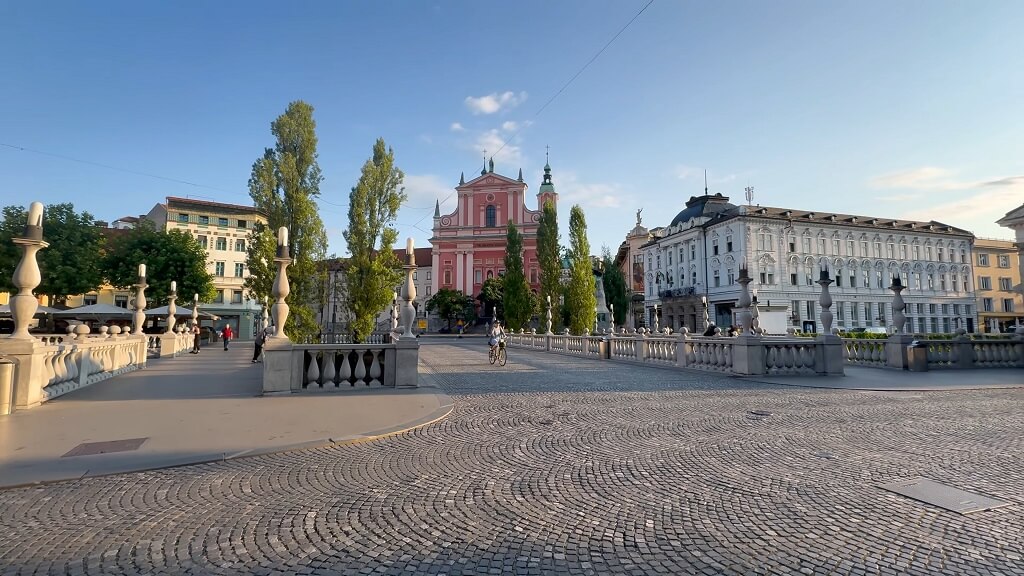
Ljubljana unfolds like a quiet storybook city where baroque ornamentation and Art Nouveau facades set a gentle tone.
City scale feels personal, allowing visitors to move easily between neighborhoods without effort. Cafés spill onto pedestrian streets and along riverbanks, encouraging long afternoons spent watching daily life pass by.
Student presence adds life after sunset, yet evenings stay calm and social rather than loud. Ljubljanica River promenade guides visitors past bridges, pastel buildings, and outdoor tables.
Ljubljana Castle rises above the city, rewarding short hikes or funicular rides with broad views across red rooftops.
Tivoli Park sits close to the center, offering shaded paths and open lawns ideal for a midday pause.
Central location makes Ljubljana a practical base for trips to Lake Bled, alpine valleys, or Venice within a few hours.
2. Vienna, Austria
Vienna moves confidently between imperial tradition and modern expression.
Grand palaces and classical music halls share attention with experimental galleries and creative districts.
Vienna State Opera continues to draw music lovers, while Naschmarkt hums with vendors selling fresh produce and international dishes. Kunsthistorisches Museum invites slow visits through vast collections that reward patience.
Coffee houses act as social living rooms where conversations stretch across hours.
MuseumsQuartier reveals a lively side through open courtyards, modern institutions, and late-night cultural programs.
Youthful neighborhoods surprise visitors expecting strict formality. Short train or boat rides connect Vienna with Bratislava, while a taxi Vienna Bratislava route offers a faster, private alternative without station transfers.
3. Bratislava, Slovakia
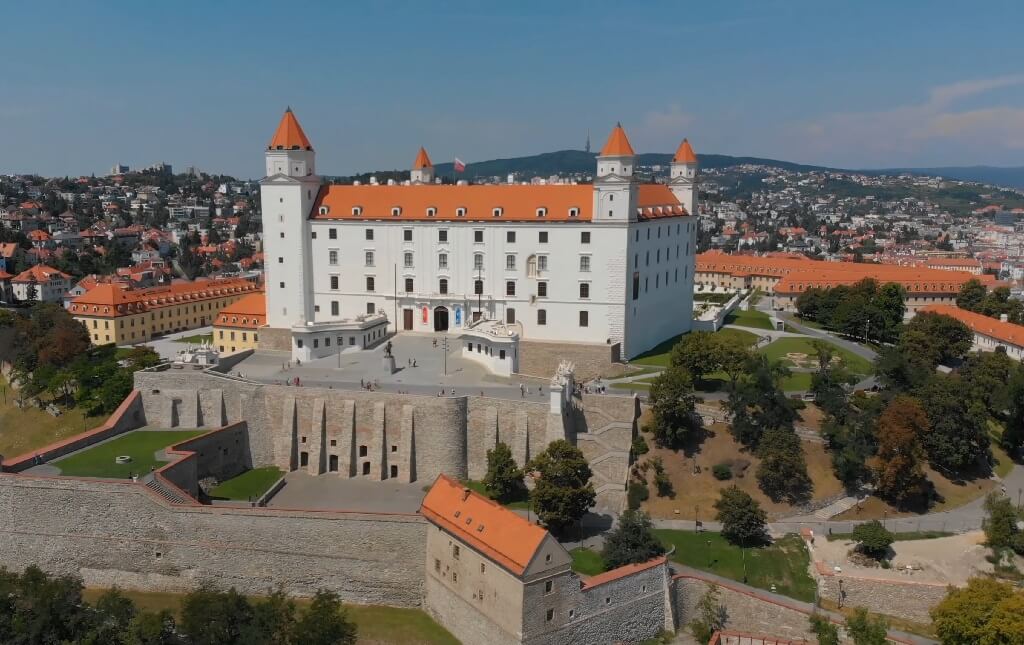
Bratislava carries a calm confidence that feels welcoming almost immediately.
Danube views frame everyday routines, giving morning walks and evening strolls a relaxed backdrop.
Old Town streets appear colorful and friendly, guiding visitors upward toward a castle positioned high above river bends and rooftops.
Compact scale removes urgency and allows days to unfold naturally without rigid plans.
Costs remain noticeably lower than Prague or Budapest, making extended stays comfortable and stress-free. Café culture encourages repeat visits and familiar faces.
Wine bars feature regional bottles earning growing attention across Central Europe.
Evenings settle gently along river paths as locals gather outdoors and daylight slowly fades.
4. Turin, Italy
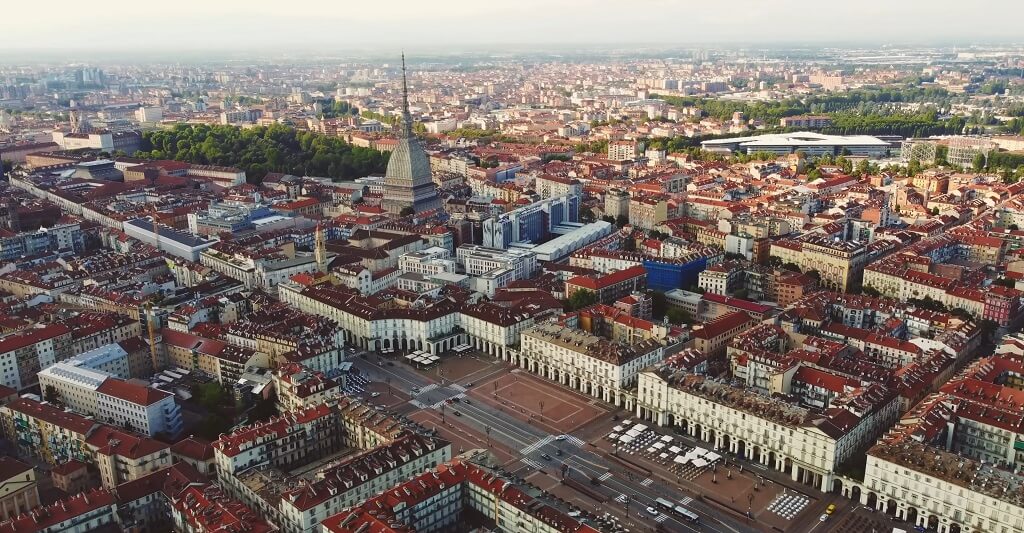
Turin presents elegance shaped by royal history and careful urban planning.
Wide boulevards create a sense of space, while covered arcades shield pedestrians and host historic cafés ideal for lingering breaks.
Visitor traffic stays lighter than Milan or Florence, keeping museums, shops, and piazzas pleasantly calm.
Alps sit close enough to shape city life, supporting winter sports during colder months and scenic walks once temperatures rise. Food traditions focus on chocolate craftsmanship, comforting Piedmont dishes, and respected local wines enjoyed during aperitivo hours.
The Egyptian Museum often surprises visitors with a collection ranking among the largest dedicated to ancient Egypt anywhere in the world.
5. Belgrade, Serbia
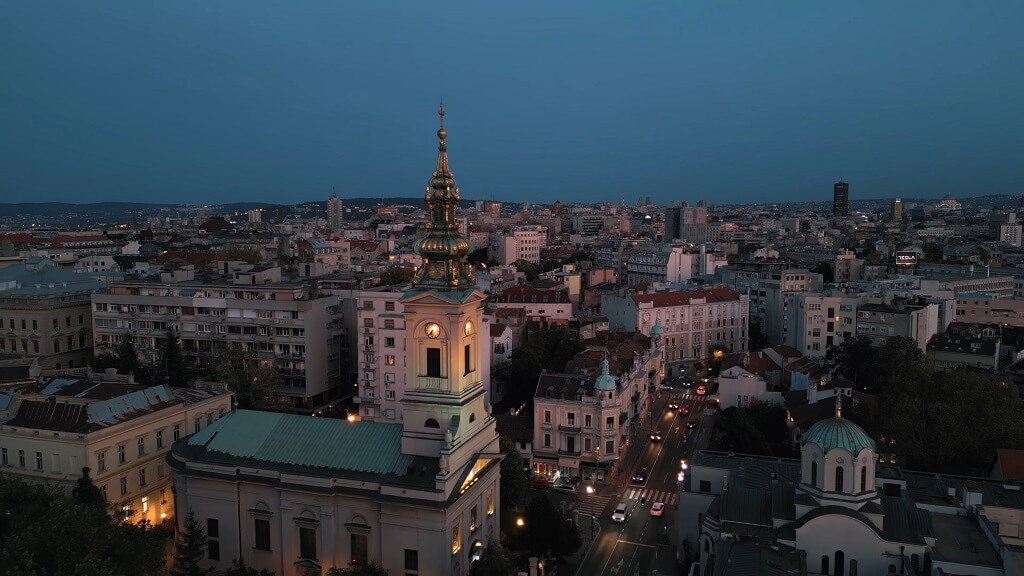
Belgrade moves with bold energy shaped by contrast.
Ottoman traces appear beside striking brutalist structures, creating streets that reflect layered pasts without feeling frozen in time.
Riverbanks host cafés and bars positioned near visible reminders of recent conflict, adding depth to casual afternoons and late nights alike.
Nightlife enjoys worldwide recognition, especially floating clubs known as “splavovi” anchored along the Danube and Sava.
Kalemegdan Fortress overlooks the river confluence and draws crowds as sunset colors spread across the water.
Prices stay friendly for American travelers, while residents greet guests with humor and openness that feels immediate and genuine.
6. Dijon, France
Dijon reveals substance that extends far past its famous condiment.
Burgundy vineyards begin near city edges, allowing tastings and cellar visits without long travel days.
Gothic churches and historic market halls shape daily routines rather than existing solely for sightseeing.
Compact streets support an unhurried pace built around meals, wine, and conversation.
The culinary scene impresses through Michelin-starred kitchens charging noticeably less than their Paris counterparts.
Evenings favor long dinners and relaxed pacing, making food-focused travel feel natural rather than scheduled.
7. Šibenik, Croatia
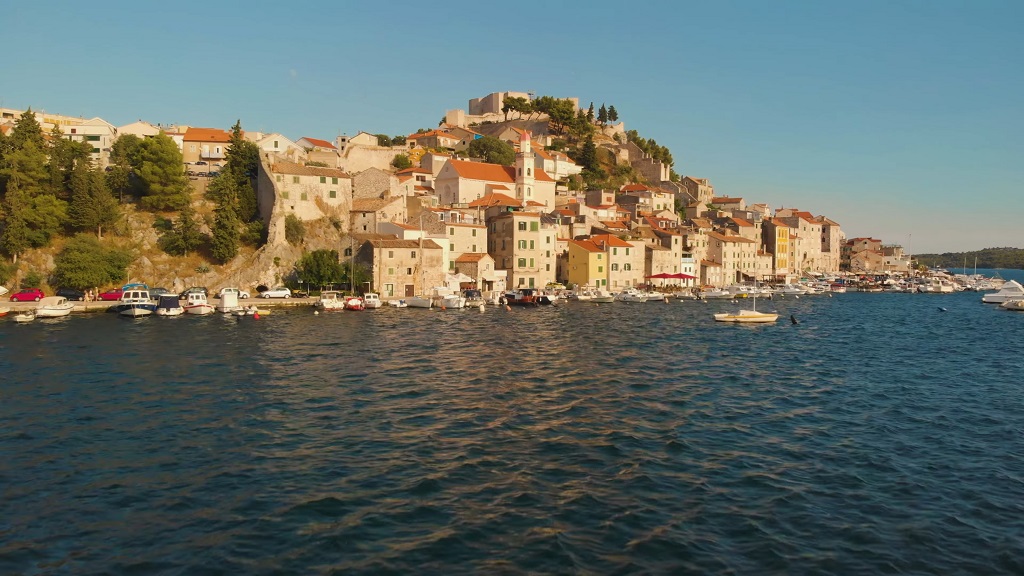
Šibenik offers a peaceful Adriatic setting grounded in history and sea air. Medieval streets rise gently toward St. James Cathedral, a UNESCO-listed structure crafted entirely of stone.
Waterfront promenades suit evening walks free of constant cruise ship congestion.
Krka National Park sits close enough for simple day trips featuring waterfalls and wooden boardwalks.
Ferries link nearby islands ideal for swimming, quiet coves, and brief escapes. Lodging prices often remain more reasonable than in Split or Dubrovnik, supporting longer coastal stays.
8. Ghent, Belgium
Ghent feels alive through constant student movement woven into medieval surroundings.
Historic towers rise above canals animated by cyclists and pedestrians moving through daily routines.
Gravensteen Castle anchors the center and adds drama to the skyline. Canal cruises reveal architectural details at a gentle pace.
Nightfall changes the mood as warm lighting reflects across streets and bridges.
Bike-friendly planning reduces reliance on cars and shapes local habits.
Sustainability efforts appear across markets, transportation, and public spaces. Many visitors depart feeling a stronger connection here than in Bruges.
9. Vilnius, Lithuania

Vilnius combines baroque design with a playful, creative spirit. Old Town streets remain open and lived-in rather than crowded with tour groups.
Užupis District operates as an artist enclave, complete with a constitution displayed publicly along its main street.
City atmosphere stays clean, calm, and inventive. Gediminas Tower rewards a short climb with wide city views.
Trakai Castle rests on an island lake nearby and fits easily into a half-day plan.
Restaurant scene continues to surprise travelers through Michelin-rated kitchens offering approachable pricing.
Local hospitality supports longer stays with ease and comfort.
10. Kotor, Montenegro
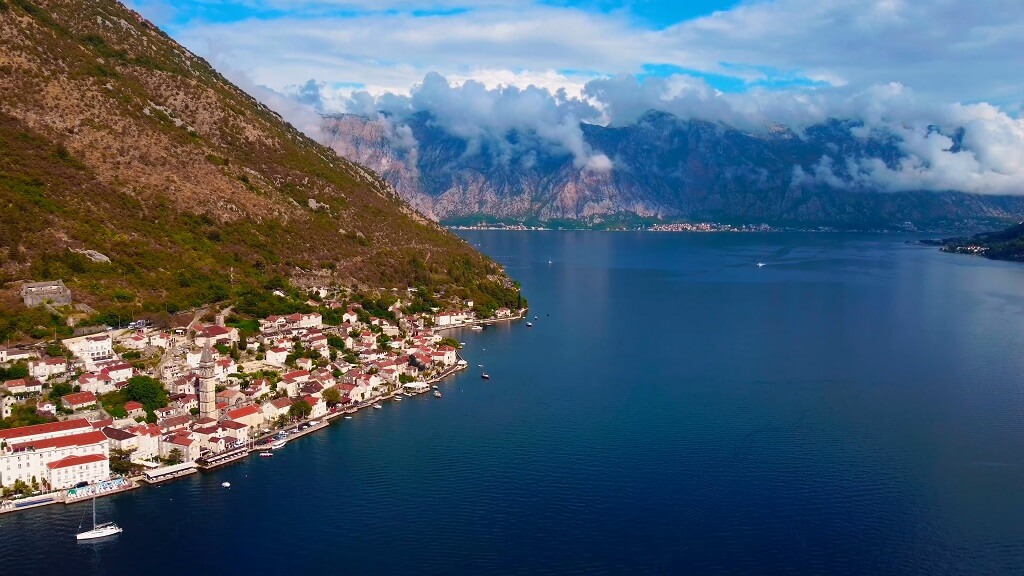
Kotor reveals itself slowly within medieval walls beside a dramatic bay shaped like a fjord.
Stone alleys wind through churches and small squares, creating an intimate rhythm that rewards wandering.
Fortress steps climb steeply above town and repay effort with broad water views stretching across the bay.
Boat trips reach Perast and quiet coastal villages dotted with historic churches.
Cruise traffic peaks during midday hours, yet overnight stays reveal calm mornings and glowing evening light reflecting across the water.
Preserved architecture paired with coastal scenery leaves a powerful closing impression.
Summary
European trips gain depth when smaller cities enter the itinerary.
Slower rhythms allow stronger connections with food, architecture, and daily routines.
Affordable prices and lighter crowds add comfort without sacrificing quality.
Travelers planning 2026 trips can find meaningful experiences by choosing cities that reward curiosity and patience rather than fame.
