

There are two of them – Kansas and Kentucky.
Keep reading to learn some interesting facts about these two states.
Kansas
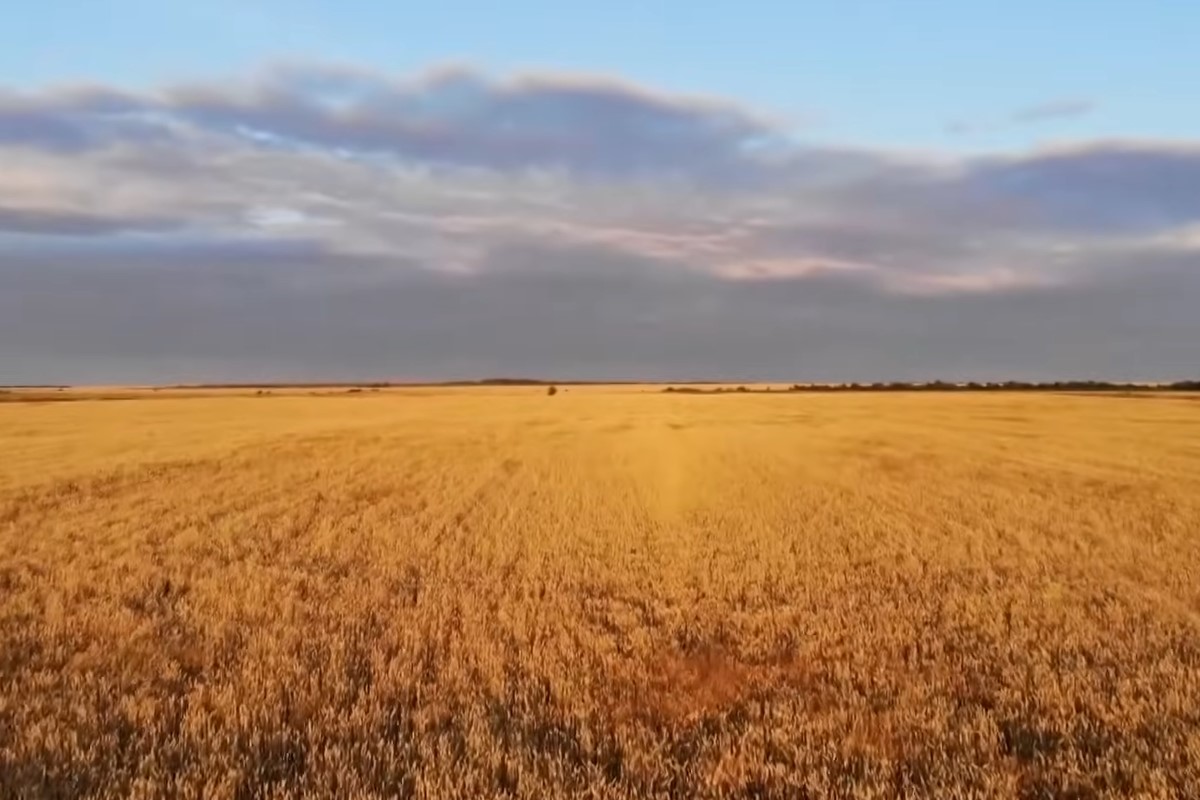
Kansas sits in the middle of America, a place where the horizon still defines direction. Every road seems to cut through memory.
The land remembers gunfire, labor, and people who refused to leave when the ground fought back.
It began as a border of conflict and turned into a proving ground for resilience. Railroads carved order into chaos. Towns rose beside them, built by hands that carried both scars and ambition.
Factories followed, and the state learned how to work through a crisis instead of around it.
History
Statehood came in 1861 after a violent period known as Bleeding Kansas. Pro-slavery and anti-slavery groups fought across the territory, and those clashes helped trigger the Civil War.
In the decades that followed, Kansas drew homesteaders, railroad workers, and immigrants who turned the plains into farmland and built towns along the tracks. Wichita grew into the Air Capital of the World during the rise of the aircraft industry.
Geography
The state covers over 80,000 square miles in the Great Plains. Elevation climbs steadily from the Missouri border in the east to the high plains near Colorado in the west.
The Kansas and Arkansas Rivers run through fertile valleys where farming towns developed.
The state is also part of Tornado Alley, with powerful storms a regular feature of spring and summer. Monument Rocks, the Tallgrass Prairie National Preserve, and Cheyenne Bottoms wetlands are reminders that the landscape is more varied than it appears from a highway.
Surprising Facts About Kansas You Might Didn’t Know
- Susanna Salter of Argonia became the first woman mayor elected in the United States in 1887.
- Amelia Earhart was born in Atchison and learned to fly in Kansas.
- Helium was first identified at the University of Kansas in 1905.
- Lebanon, Kansas, is the geographic center of the contiguous United States.
- More than 30 percent of all wheat in the United States grows here, which led to the nickname “Breadbasket of the World.”
Kentucky
The state sits right on the line between the Midwest and the South, so a bit of both shows up in everyday life.
Generations made a living on farms, in coal mines, and through music, and out of that came a culture that people know everywhere.
History
Kentucky became the fifteenth state in 1792, formed from land that had been part of Virginia.
Early years were shaped by frontier life, and people like Daniel Boone became famous for helping open routes through the Cumberland Gap. During the Civil War, Kentucky was a border state in a tough spot.
Families split over loyalties, and both Union and Confederate forces fought on Kentucky ground. After the war, the state kept growing through farming, horse breeding, and tobacco, and those industries still shape local life.
In the twentieth century, coal mining expanded in the Appalachian area, while manufacturing grew in cities like Louisville and Lexington.
The Kentucky Derby in 1875 added another big piece to the story and locked the state into horse racing culture for good.
Geography
View this post on Instagram
Kentucky is a big state, over 40,000 square miles, and it sits next to seven others.
The Ohio River makes the northern border, while the Appalachian Mountains stretch along the eastern side. In the middle, the Bluegrass area has rich soil and a lot of thoroughbred horse farms.
Out west, the land opens up into lakes, woods, and farm fields growing corn, soybeans, and tobacco.
Cave country is part of the deal. Mammoth Cave National Park holds the longest known cave system on Earth, with hundreds of miles underground. Rivers and rolling hills keep the scenery changing as you move around the state.
Surprising Facts About Kentucky You Might Didn’t Know
- Abraham Lincoln and Jefferson Davis led opposite sides in the Civil War, and both were born in Kentucky.
- The Kentucky Derby has run longer than any other U.S. sporting event without a break.
- Bourbon production goes back over 200 years, and around 95 percent of the global supply still comes from Kentucky.
- Kentucky has more miles of navigable water than every state except Alaska.
- Mammoth Cave passageways are only partly mapped, and crews keep finding new sections.
Last Words
Kansas and Kentucky each have their own lane, yet both come from people who kept going when life got rough.
Kansas grew out of wide-open prairie and the kind of grit that turns empty land into working towns.
Kentucky grew out of frontier roads, river valleys, and hill country, then carried that forward through horses, music, and coal towns.
Different places, same theme: steady effort that left a mark without needing to put on a show.
Up next, the focus turns to the states that start with L.