

Weather ranks high on the list of reasons people choose where to live in the United States.
States that are easy to live in through most seasons keep pulling people in.
Nine states come up again and again for pleasant climate: Hawaii, Florida, California, Arizona, South Carolina, North Carolina, Georgia, Texas, and New Mexico.
Keep reading to see what daily weather feels like in each one and which fits your style.
1. Hawaii

| Annual Mean Temperature | about 74°F | Very low season-to-season swing |
| Average High / Low | about 85°F / 71°F | Warm days, soft nights year-round |
| Annual Rainfall (Honolulu) | about 16 in | Leeward lowlands are dry; windward slopes are far wetter |
| Sunshine | about 8 to 10 hours per day average | Clear days in every season |
| Main Pattern | May–Oct drier, Oct–Apr wetter | Two-season tropical rhythm |
| Trade Winds | Frequent in warmer months | Helps keep the heat feeling lower |
Hawaii keeps a steady tropical baseline all year. Ocean influence and trade winds limit temperature spikes, so even the warmest months stay close to the cooler ones.
Rain varies sharply by island side and elevation, with wet windward slopes and drier leeward slopes often only a short drive apart.
Popularity for relocation stays high, mainly driven by climate and lifestyle, even with the cost barrier.
Housing remains among the priciest in the country: late-2025 medians for single-family homes sit a bit above $1.0M statewide, while typical home values hover in the low to mid $800k range, higher on Oahu. The numbers keep increasing all the time, as I can see on Zillow.
Buyers usually face limited inventory and slow turnover, so price drops are rare outside short market dips.
2. Florida
| Annual Mean Temperature | about 72 to 78°F | Warmer south, slightly cooler north |
| Average High / Low (Miami) | about 83°F / 70°F | Summer highs near 90°F, winter days mid 70s |
| Annual Rainfall | about 50 to 60 in | Wet season May to Oct, drier Nov to Apr |
| Humidity | high most of the year | Summer comfort depends on muggy-air tolerance |
| Sunshine | about 7 to 9 hours per day average | Many clear days outside peak storm months |
| Hurricane Season | Jun to Nov | Risk is highest from late summer to early fall |
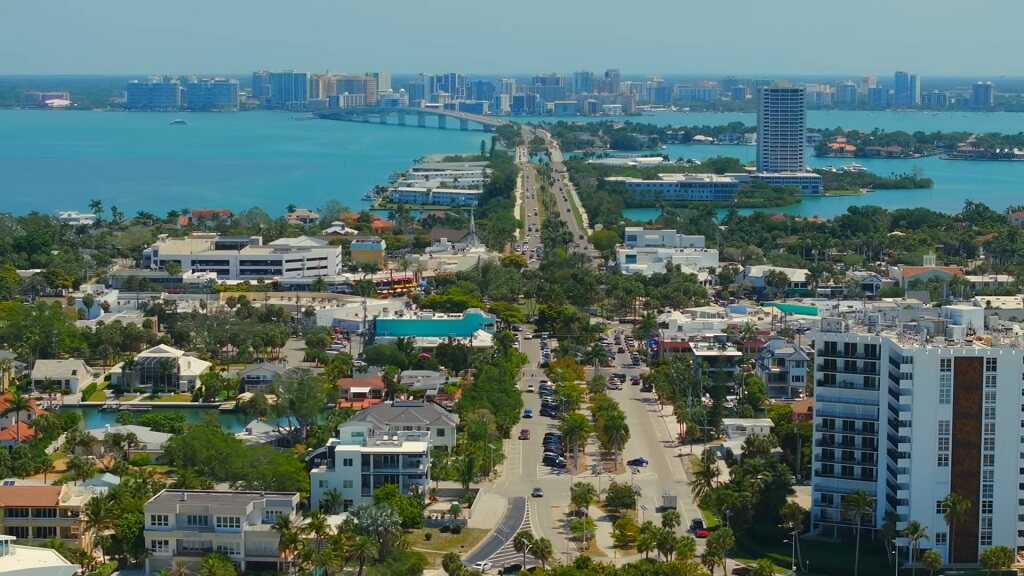
Florida stays warm year-round, with winters that feel short and gentle compared with most of the country. Summer brings heavy humidity and daily storm cycles, so heat can feel stronger than the number on a thermometer suggests.
Coastal zones get some relief from sea breezes, while inland areas hold thicker heat through July and August.
Relocation popularity remains strong, though slower than the early-2020s rush. Net domestic migration stayed positive in 2024, and demand still leans toward metro corridors like Tampa Bay, Orlando, and South Florida.
Housing costs remain elevated for the region: late-2025 median single-family sale prices sit a little above $400k statewide, condos closer to $300k, with inventory rising and prices softening slightly in some markets.
Storm risk makes home maintenance more than a routine. Impeccably crafted roof installations are critical before hurricane season, since wind and flying debris target weak shingles, flashing, and fasteners first.
Many insurers also check roof age and materials when setting premiums or deciding coverage, so a solid inspection and timely repair before June can save serious stress later.
Also Read: Which Florida City Is Better? St. Augustine vs Tampa
3. California

| Annual Mean Temperature | about 64 to 68°F | Coast stays mild year round |
| Average High / Low (Los Angeles) | about 75°F / 57°F | Warm days, cooler nights, small winter drop |
| Annual Rainfall | about 10 to 15 in on the south coast | Most rain falls Nov to Mar |
| Sunshine | about 7 to 10 hours per day average | Long sunny season, marine layer some mornings |
| Main Pattern | Dry warm season / cooler wet season | Mediterranean setup |
| 2025 Note | Wetter than usual late fall in some southern areas | Several storms pushed totals high |
Coastal California keeps the mild profile people expect: warm, dry summers and cooler, wetter winters without deep cold.
Pacific influence smooths out extremes, so day-to-day weather stays stable compared with most inland regions. Inland valleys and desert edges run far hotter, so the famous “pleasant climate” label mostly applies to the coast.
Housing demand along the coast stays strong and keeps prices high. Statewide median single-family prices in 2025 sit in the high $800k range, with big metro areas above that, while some inland counties are lower.
Sales activity picked up in late 2025 as prices eased slightly, yet affordability pressure remains heavy.
4. Arizona
| Annual Mean Temperature | about 76°F | Very hot summers, mild winters |
| Average High / Low | about 87°F / 64°F | Many summer days above 100°F |
| Annual Rainfall | about 7 in | Very dry, monsoon bump Jul to Sep |
| Sunshine | about 9 to 11 hours per day average | One of the sunniest states |
| Humidity | low most of the year | Heat feels less sticky than Gulf states |
| 2025 Note | Longer heat streaks than older normals | Summer risk continues rising |
Arizona delivers dry air and strong sun for most of the calendar. Winters in Phoenix and Tucson feel like a long, bright spring, which is why the state attracts retirees and remote workers.
Summer is the tradeoff, with long runs of extreme heat in the low desert and cooler relief only at higher elevations.
Relocation interest stays high, though growth cooled after prices jumped earlier in the decade.
Typical home values in late 2025 are around the low $400k range statewide, with metro Phoenix higher than most other areas.
Inventory increased compared with 2022 and 2023, giving buyers more choice, yet climate demand keeps prices firm.
5. South Carolina

| Annual Mean Temperature | about 67°F | Warm baseline for a coastal state |
| Typical Range | about 43°F to 89°F | Rare below 30°F or above mid-90s |
| Annual Rainfall | about 48 in | Wettest late summer, frequent storms |
| Sunshine | about 8.5 to 9.5 hours per day average | Strong sun outside storm peaks |
| Humidity | high in summer | Coastal breeze helps some days |
| Risk Season | Jun to Nov hurricane window | Coastal areas most exposed |
South Carolina sits in the humid subtropical zone, so summers are hot and damp while winters are short and mild.
Coastal areas like Charleston get long, comfortable shoulder seasons in spring and fall, often the best weather of the year.
Summer storms and hurricane exposure come with the warm ocean air.
State growth remains near the top nationally, driven by climate, tax profile, and metro job pull.
October 2025 median sale prices are around the upper $300k range statewide, with typical home values near $300k, still cheaper than many Sun Belt peers.
6. North Carolina
| Annual Mean Temperature | about 59 to 63°F | Warmer coast, cooler mountains |
| Typical Range (Raleigh) | about 30s°F winter lows to upper 80s°F summer highs | Short cold snaps, hot, humid summers |
| Annual Rainfall | about 45 to 50 in | Fairly even through the year; summer storms are common |
| Humidity | moderate to high in summer | Coast feels stickier, mountains feel drier |
| Sunshine | about 7 to 9 hours per day average | Strong spring and fall sun |
| Main Pattern | Four seasons, long warm shoulder seasons | Spring and fall often feel best |
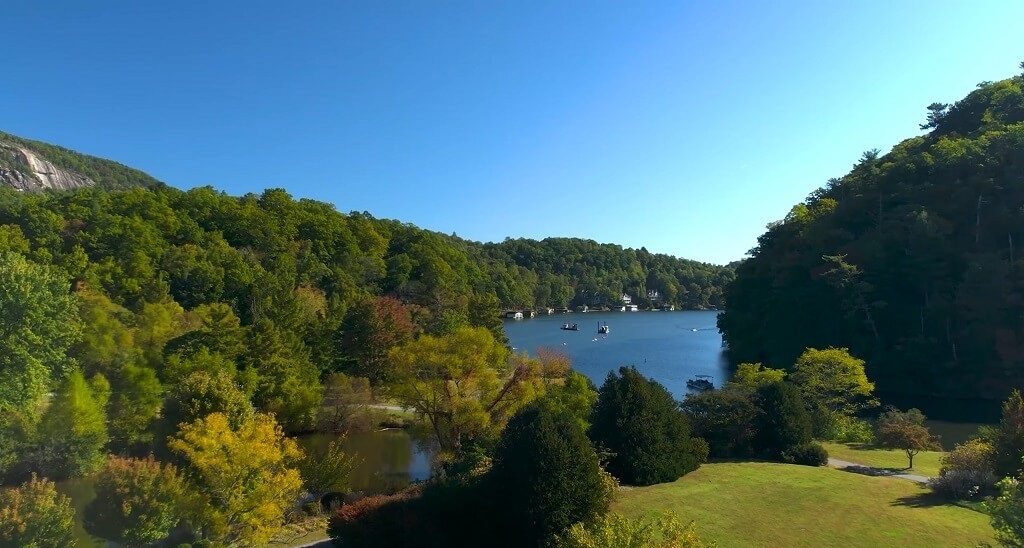
North Carolina offers a blended climate. Coastlines bring mild winters and long beach seasons, while the Piedmont stays warm most of the year with a noticeable yet manageable winter.
Mountains in the west stay cooler in summer and see more winter snow than the rest of the state.
Market demand stays high, pushed by job growth and climate pull in metro areas like Raleigh-Durham, Charlotte, and coastal towns.
The median home price sits around $387k statewide, up a few percent year over year, with inventory rising and giving buyers more choice than earlier in the decade.
7. Georgia

| Annual Mean Temperature | about 61 to 64°F | Coastal belt warmer, north a bit cooler |
| Typical Range | low 30s°F winter nights to upper 80s°F summer days | July and August feel hottest |
| Annual Rainfall | about 46 to 50 in | Rain spread year round, summer peaks |
| Humidity | high in warm season | Coastal air is heavier |
| Sunshine | about 7.5 to 9 hours per day average | Many clear days outside storm bursts |
| Main Pattern | Humid subtropical | Long summer, short mild winter |
Georgia runs classic Southeast weather: long, hot, humid summers and winters that stay mild with only brief cold shots.
Spring and fall can feel close to ideal, especially in the north and in coastal cities with routine sea breezes.
Housing cooled slightly in 2025 after rapid growth earlier, yet prices remain solid because demand stays heavy near Atlanta and coastal hubs.
The median price sits around $369k statewide, down a little year over year, while active listings are up, so buyers have more room to negotiate.
8. Texas
| Annual Mean Temperature | about 64 to 72°F, depending on the region | Gulf side warmer, Panhandle cooler, west drier |
| Typical Range | low 40s°F winter lows to low or mid 90s°F summer highs | Heat dominates from May into September |
| Annual Rainfall | about 15 in the west to 50+ in the east | Strong east-west split |
| Humidity | high near the Gulf, low in the west | Comfort varies a lot by metro |
| Sunshine | about 7 to 10 hours per day average | West and south are sun-heavy |
| Main Pattern | Multiple climates in one state | Subtropical east, semi-arid west |
| 2025 Note | Warm fall and uneven drought | Dryness is strongest in the west and south |
The climate depends on location more than any other state on your list.
Gulf cities feel hot and humid with frequent storms, central Texas stays hot, but a bit drier, and west Texas shifts into high desert with bigger temperature swings and far less rain.
Winter stays mild in most regions, while summer runs long and intense nearly everywhere.
Texas keeps pulling new residents, even with slower growth than the 2021 to 2023 peak.
The median home price is about $342k statewide, slightly down year over year, and listings are up, so buyers face less bidding chaos than earlier years.
9. New Mexico

| Annual Mean Temperature | about 58°F | High elevation keeps averages lower |
| Typical Range | upper 20s°F winter lows to low 90s°F summer highs | Big day-night swings |
| Annual Rainfall | about 8 to 10 in | Dry most months, monsoon lift late summer |
| Humidity | low year-round | Heat feels sharp rather than sticky |
| Sunshine | about 8 to 10 hours per day average | Roughly 275 to 300 sunny days per year |
| Main Pattern | High desert / steppe | Warm bright summers, crisp winters |
| 2025 Note | Ongoing dryness and wind issues | Dust and fire risk stay elevated |
New Mexico brings dry air and heavy sunshine. Elevation keeps summer heat from turning into Gulf-style humidity, yet high desert geography creates large swings between daytime warmth and cool nights.
Winter nights get cold, while daytime sun still makes many days feel usable.
Home prices rose in 2025 as demand stayed steady in Albuquerque, Santa Fe, and a few smaller hubs.
The median price sits around $405k statewide, up roughly 4 percent year over year, with a visible split between pricey metros and cheaper rural counties.
Bottom Line
Weather is a major quality of life lever, and the nine states on this list earn their reputation through long runs of comfortable days.
Hawaii and Florida lead with steady warmth, coastal California adds mild balance, Arizona and New Mexico bring dry sun, while the Carolinas, Georgia, and Texas offer long warm seasons with regional variety.
Tradeoffs still exist, mainly summer heat, humidity, storm risk, and housing costs, so the best pick depends on tolerance for those.