

Suicide Rate in the United States remains too high. Tens of thousands of people die every year, and the loss hits everyone around them.
Many people who die by suicide never seemed like they were in danger. Veterans, teens, parents, and coworkers can keep going to school or work and still feel like they are falling apart inside.
Experts point to the same mix of problems: feeling alone, nonstop stress, money troubles, and mental health care that can be hard to get when someone finally reaches out.
In a lot of places, help costs too much, takes too long, or just is not available. Stigma makes it worse, so people stay silent even when they need support.
Numbers from last year underline how stubborn the crisis has been. About 48,800 suicide deaths were recorded in 2024, showing almost no shift toward safer ground.
In the following sections, I collected the most recent insights to create the closest possible outlook for 2025 before we receive the full data.
Comparison of Suicide Rates in the US Year by Year(2000 to 2025)
Reviewing the trend from 2000 to 2025 gives us a long view of where the problem has been, where it is, and where it may go.
The numbers below trace a 25-year picture of suicide in the United States.
| Year | Total Suicides | Age-Adjusted Rate per 100,000 |
|---|---|---|
| 2000 | 29,350 | 10.4 |
| 2001 | 30,622 | 10.7 |
| 2002 | 31,655 | 10.9 |
| 2003 | 31,484 | 10.8 |
| 2004 | 32,439 | 11.0 |
| 2005 | 32,637 | 10.9 |
| 2006 | 33,300 | 11.0 |
| 2007 | 34,598 | 11.3 |
| 2008 | 36,035 | 11.6 |
| 2009 | 36,909 | 11.8 |
| 2010 | 38,364 | 12.1 |
| 2011 | 39,518 | 12.3 |
| 2012 | 40,600 | 12.6 |
| 2013 | 41,149 | 12.6 |
| 2014 | 42,826 | 13.0 |
| 2015 | 44,193 | 13.3 |
| 2016 | 45,000 | 13.5 |
| 2017 | 47,173 | 14.0 |
| 2018 | 48,344 | 14.2 |
| 2019 | 47,511 | 13.9 |
| 2020 | 45,979 | 13.5 |
| 2021 | 47,646 | 14.0 |
| 2022 | 49,449 | 14.2 |
| 2023 | 49,316 | 14.1 |
| 2024* | 48,800 | 14.0 |
| 2025* | 49,100 | 14.1 |
* Figures for 2024 and 2025 are estimates based on early national reports. We will update this information once the full research is available. Final verification will come through the National Vital Statistics System once full-year data are confirmed.
The Numbers Keep Going Up

Data on the suicide rate in the United States shows a rise that spans more than twenty years. Every new report confirms the same direction.
The number of deaths climbs, the rate climbs, and the impact reaches every part of the country.
In 2000, the suicide rate sat a little above ten deaths for every one hundred thousand people. By 2025, the suicide rate in the United States rises past fourteen.
The increase may look small as a number on a chart, yet each point reflects thousands of lives lost and thousands of families changed forever.
Between 2002 and 2018, the national suicide rate rose by more than thirty percent. A brief dip around 2019 and 2020 created hope for a turning point, but the drop did not last.
Rates in the United States returned to record levels and continue to hold there.
Men remain at the highest risk. Older adults show some of the most severe rates.
Suicide stands as the second leading cause of death for Americans aged 10 to 34, a trend that should unsettle anyone who follows public health data.
Researchers and crisis teams point to several core pressures that shape the suicide rate in the United States: financial strain, loneliness, housing stress, and long waits for mental health care. Many people in crisis cannot reach help in time, and that gap fuels the ongoing rise.
Only a small group of states has managed to push rates downward, and even those gains remain fragile.
Suicide Rates by State in the United States
Suicide rate in the United States varies sharply from state to state, and the gap between the highest and lowest creates two very different national maps.
Several western and rural states carry the heaviest burden. Alaska, Montana, and Wyoming continue to record the highest suicide rates in the country, often above 25 deaths for every 100,000 residents. Their numbers stay near the top year after year.
Several large states in the Northeast continue to record the lowest suicide rates in the country. New Jersey, New York, and Massachusetts often report fewer than 10 deaths per 100,000 people. Rates in those states have stayed steady for many years, even while national numbers have moved higher.
Here are the suicide rates in all US states.
| Rank | State | Suicide Rate (per 100,000) | Suicides |
|---|---|---|---|
| 1 | Alaska | 28.2 | 206 |
| 2 | Montana | 26.6 | 310 |
| 3 | Wyoming | 26.3 | 157 |
| 4 | Idaho | 23.3 | 460 |
| 5 | New Mexico | 22.8 | 489 |
| 6 | Oklahoma | 21.8 | 893 |
| 7 | Utah | 21.5 | 706 |
| 8 | Colorado | 20.9 | 1,297 |
| 9 | South Dakota | 20.7 | 181 |
| 10 | Nevada | 20.3 | 690 |
| 11 | Arkansas | 20.2 | 626 |
| 12 | Kansas | 19.6 | 569 |
| 13 | Oregon | 19.4 | 888 |
| 14 | Arizona | 19.2 | 1,506 |
| 15 | West Virginia | 18.6 | 349 |
| 16 | Maine | 18.5 | 274 |
| 17 | Missouri | 18.0 | 1,143 |
| 18 | North Dakota | 17.8 | 142 |
| 19 | Vermont | 17.8 | 125 |
| 20 | Kentucky | 17.5 | 813 |
| 21 | Tennessee | 17.3 | 1,279 |
| 22 | Indiana | 17.0 | 1,187 |
| 23 | Alabama | 16.8 | 869 |
| 24 | Washington | 15.7 | 1,287 |
| 25 | Louisiana | 15.6 | 719 |
| 26 | Iowa | 15.5 | 504 |
| 27 | Mississippi | 15.5 | 457 |
| 28 | Hawaii | 15.3 | 223 |
| 29 | Wisconsin | 15.0 | 920 |
| 30 | Michigan | 14.9 | 1,529 |
| 31 | Georgia | 14.8 | 1,670 |
| 32 | Ohio | 14.7 | 1,792 |
| 33 | South Carolina | 14.7 | 818 |
| 34 | New Hampshire | 14.6 | 221 |
| 35 | Nebraska | 14.5 | 284 |
| 36 | Florida | 14.4 | 3,620 |
| 37 | North Carolina | 14.3 | 1,597 |
| 38 | Pennsylvania | 14.3 | 1,976 |
| 39 | Texas | 14.2 | 4,382 |
| 40 | Minnesota | 13.8 | 812 |
| 41 | Virginia | 13.6 | 1,243 |
| 42 | Delaware | 12.8 | 144 |
| 43 | Illinois | 11.9 | 1,567 |
| 44 | California | 10.2 | 4,200 |
| 45 | Rhode Island | 9.4 | 112 |
| 46 | Maryland | 9.3 | 599 |
| 47 | Connecticut | 9.1 | 356 |
| 48 | Massachusetts | 8.6 | 658 |
| 49 | New York | 8.3 | 1,717 |
| 50 | New Jersey | 7.2 | 709 |
| 51 | District of Columbia | 6.8 | 50 |
States With The Highest Suicide Rates
Some parts of the country are hit harder than others.
Alaska, Montana, and Wyoming stand out year after year. Suicide rates there stay well above the national average.
Life in those places can bring more pressure that adds up over time, and the numbers show the cost of it.
1. Alaska
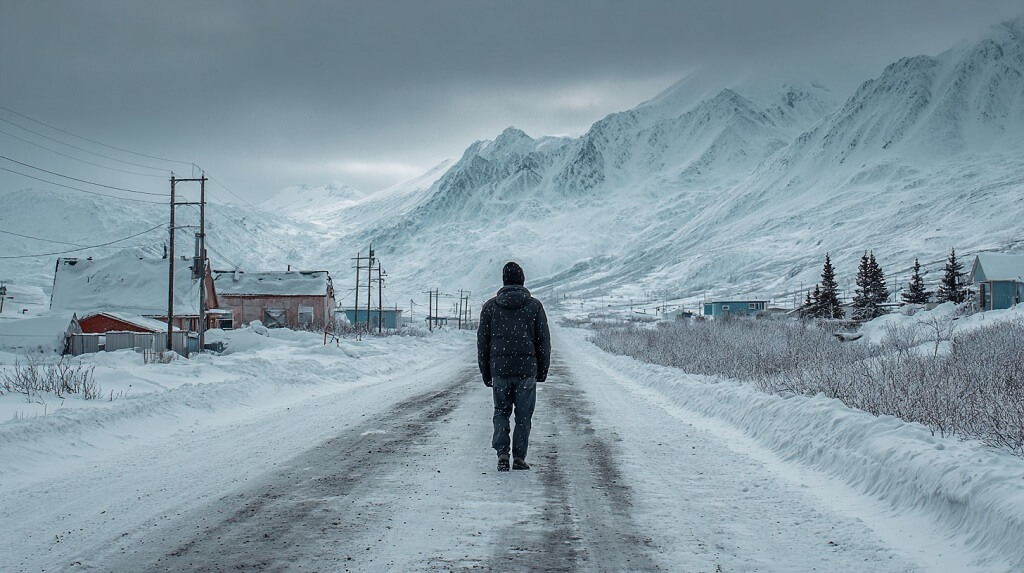
Alaska holds the highest rate in the nation, 28.2 deaths for every 100,000 people, with about 206 lives lost in a single year.
In a state where winter drags on for much of the year and towns sit hundreds of miles apart, getting help is not easy.
Many communities have no nearby counselors or clinics. Families deal with isolation, alcohol abuse, and money stress that can push people to the edge.
Health workers describe a pattern that keeps showing up in small towns, where resources are thin, and support can be hard to find.
2. Montana
Montana comes next with 26.6 deaths for every 100,000 people, about 310 deaths total.
This state is known for its wide open land and small towns where people know each other. That space can also mean loneliness, especially for someone already struggling.
Most suicides there involve firearms kept at home. Reports say many people were living with long-term pain or going through a major personal loss before they died.
Outside the biggest cities, mental health care can be hard to get. Volunteers and local leaders have started small prevention efforts, but many communities still face a big gap between warning signs and actual help.
3. Wyoming
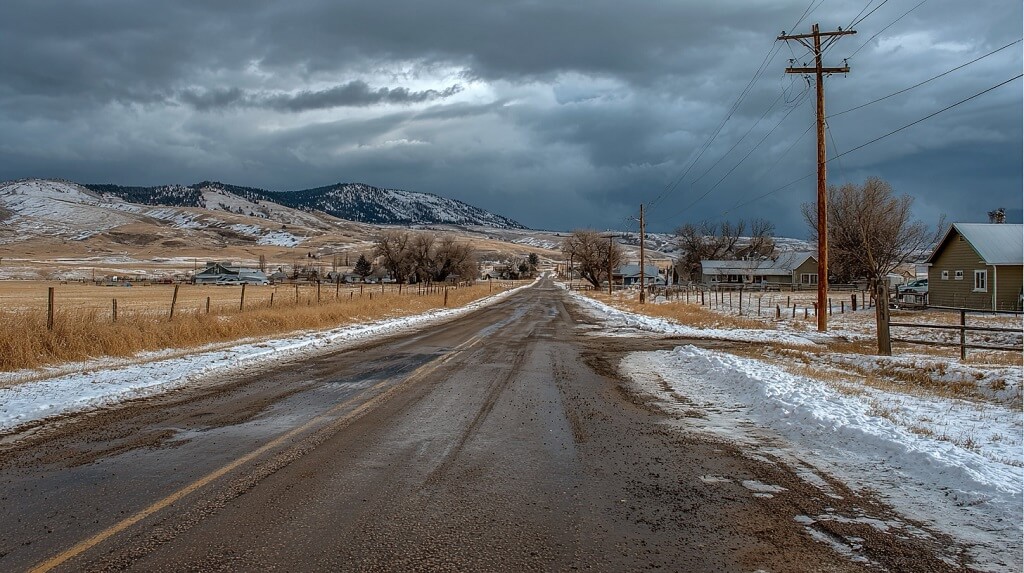
Wyoming stays near the top at 26.3 suicide deaths per 100,000 people, about 157 lives lost.
In much of the state, paychecks track oil, mining, and agriculture. When a rig slows down or a contract ends, stress shows up fast in homes already stretched thin. Many residents also grow up with a handle it yourself mindset, so reaching out can feel like crossing a line.
Guns are common, and they are involved in most suicides. Firearms are common. State programs push safe storage and basic warning signs, but plenty of people still end up facing a crisis alone.
Other States With High Suicide Rates
Outside Alaska, Montana, and Wyoming, several other states face the same crisis, often with little attention. Idaho, New Mexico, and Oklahoma stand out, and the numbers follow a familiar pattern.
Each state reports a Suicide Rate above 20 deaths per 100,000 people, higher than the national level.
Idaho reports 23.3 deaths per 100,000, about 460 deaths. The highest rates show up in rural counties, where poverty runs high and mental health care can be miles away, if it exists at all.
New Mexico follows at 22.8 deaths per 100,000, roughly 489 deaths. Doctors and researchers in Albuquerque and Santa Fe often point to addiction, poverty, and limited access to behavioral health care. Indigenous communities and rural areas are hit especially hard, and cost, distance, and trust issues can keep people from getting steady treatment.
Oklahoma reports 21.8 deaths per 100,000, an estimated 893 deaths. Providers describe a lack of trained counselors and long waits for therapy. Firearms are involved in most suicides, and many people showed clear warning signs before they died.
Similar trends show up in Utah and Colorado, where Suicide Rate levels also stay above 20 deaths per 100,000.
What About the Highly Populated States?
In the biggest states, a lower Suicide Rate can hide the scale of the loss. The rate may look smaller, yet the death toll still reaches thousands.
California loses about 4,200 people each year. The rate sits at 10.2 per 100,000. Numbers like that sound manageable until the total comes into focus. Major cities offer more programs, while many rural counties lag behind, with long waits for care.
Texas reports about 4,382 deaths and a rate of 14.2. Distance becomes a barrier on its own. Plenty of people live hours from a therapist and end up carrying stress, debt, or health problems alone.
Florida records about 3,620 deaths at a rate of 14.4. Many deaths happen outside major cities, in places with fewer doctors and weaker local support.
New York reports about 1,717 deaths, with a rate of 8.3. New York City runs lower, while upstate counties run higher, where hospitals and counselors can be harder to reach.
The takeaway stays grim. Suicide remains a national crisis, and no state avoids it.
What Country Has the Most Suicides?
Suicide shows up in every part of the world, yet the Suicide Rate looks very different from country to country. Some places lose far more people than others, even with the global average near 9.2 deaths per 100,000 people.
The World Health Organization tracks official figures from member countries. Other public reports add places that publish separate numbers, including Greenland. Put together, the data show a wide gap between the hardest hit countries and the rest.
A small group of countries sits well above the global average.
Lesotho reports close to 29 deaths per 100,000 people. South Korea follows at 27.5. Lithuania reports 22.1.
Here Are the Leading Countries
| Rank | Country or territory | Rate | Male | Female |
|---|---|---|---|---|
| 1 | Greenland | 75.6 | 108 | 39.1 |
| 2 | Suriname | 28.7 | 46.2 | 11.7 |
| 3 | South Korea | 28.1 | 39.9 | 16.3 |
| 4 | Guyana | 25.4 | 42.7 | 8.34 |
| 5 | Lithuania | 24.8 | 43.3 | 8.42 |
| 6 | Russia | 24.3 | 42.9 | 8.06 |
| 7 | Uruguay | 22.5 | 38.6 | 7.74 |
| 8 | Japan | 21.5 | 30.1 | 13.3 |
| 9 | Ukraine | 21.3 | 37.7 | 7.33 |
| 10 | Cuba | 21.1 | 34.3 | 8.07 |
| 11 | Lesotho | 20.8 | 35.4 | 6.91 |
| 12 | Guam | 19.9 | 35.3 | 4.17 |
| 13 | Taiwan | 19.1 | 26.4 | 12.0 |
| 14 | Belarus | 18.3 | 32.2 | 6.40 |
| 15 | Slovenia | 18.3 | 29.2 | 7.24 |
| 16 | Hungary | 18.3 | 28.7 | 8.64 |
| 17 | Belgium | 18.2 | 27.0 | 9.72 |
| 18 | Latvia | 18.0 | 31.9 | 6.03 |
| 19 | Monaco | 17.7 | 26.1 | 9.69 |
| 20 | Northern Mariana Islands | 17.2 | 29.8 | 3.33 |
Source: World Population Review, Suicide Rate by Country
Only a few places report suicide rates far above the world average. Greenland stands at the top with about 75.6 deaths per 100,000 residents. Life in the Arctic can be deeply isolating, with long dark winters, huge distances between towns, and limited access to mental health care. Young men make up most of the deaths, and the rate has stayed high for years.
South Korea faces a different kind of crisis. The rate sits near 28.1 per 100,000 people, tied to intense pressure from work, family expectations, and social standing.
Suicide has become one of the nation’s leading causes of death. The cost of failure feels heavier there than in most other places.
Suriname and Guyana follow close behind, both between 25 and 28 per 100,000. Economic instability, social stress, and weak support systems define the struggle.
Lithuania remains high at 24.8, where addiction and social disconnection keep the rate among the worst in Europe.
Highest Suicide Rates by Profession in the United States
Some jobs demand more than the body can give. They take a quiet toll on the mind, often leaving workers alone with the kind of stress that builds slowly until it breaks.
National data from the CDC show that suicide is not spread evenly across professions. Certain lines of work carry far higher risks, shaped by pressure, isolation, and access to lethal means.
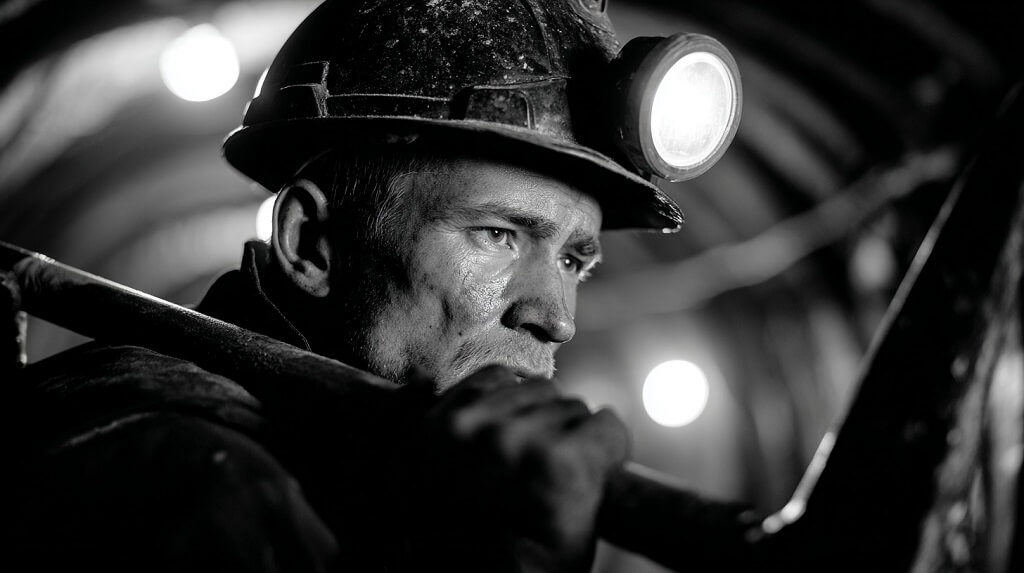
At the top of the list are those who work in mining. The suicide rate among male miners stands at around 72 deaths per 100,000 people, the highest recorded across all industries.
Here Is the Full List of Jobs With The Highest Suicide Rates
- Mining
- Construction & extraction
- Farming, fishing & forestry
- Installation, maintenance & repair
- Arts, design, entertainment, sports & media
- Transportation & material moving
- Personal care & service
- Other services (for example, automotive repair)
- Accommodation & food services
- Production
Professions with the Lowest Suicide Rates
Some jobs show the lowest numbers when it comes to suicide rates.
- Education and training
- Management and administration
- Community and social services
- Office and administrative support
- Sales and retail
- Legal professions
- Protective services such as firefighting and security
- Healthcare support roles (excluding emergency response)
People in these fields tend to work in environments where teamwork, communication, and mental health awareness programs are common.
Frequently Asked Questions
Final Thoughts
The numbers point to a painful truth. Suicide remains one of the leading causes of preventable death in the United States and in many parts of the world. Rates rise in some places, and every increase leaves families changed forever. Communities feel the loss long after a chart or headline moves on.
Behind every statistic stands a person, plus the people who loved them. Many carried more than they could handle and reached a breaking point without steady support. Data helps explain the scope, yet the human cost matters most.
If you or someone close to you is in immediate danger or struggling with thoughts of self-harm, help is available.
In the United States, you can call or text 988 to reach the Suicide and Crisis Lifeline at any time.