

The Texas real estate market in 2026 is expected to remain stable but slow-moving, with modest price growth, elevated inventory, and mortgage rates that continue to limit affordability.
Forecasts from the Texas Real Estate Research Center (TRERC), Zillow, national brokerage data, and federal economic indicators all point to a market that leans slightly toward buyers in most metros while offering measured but not dramatic price support for sellers.
The core expectation is that 2026 will not resemble the acceleration seen in 2020–2022 or the correction period of 2023–2024. Instead, it will settle into a restrained, steady environment shaped by population growth, high inventory levels, and a gradual normalization of lending conditions.
Current Market Conditions Entering 2026
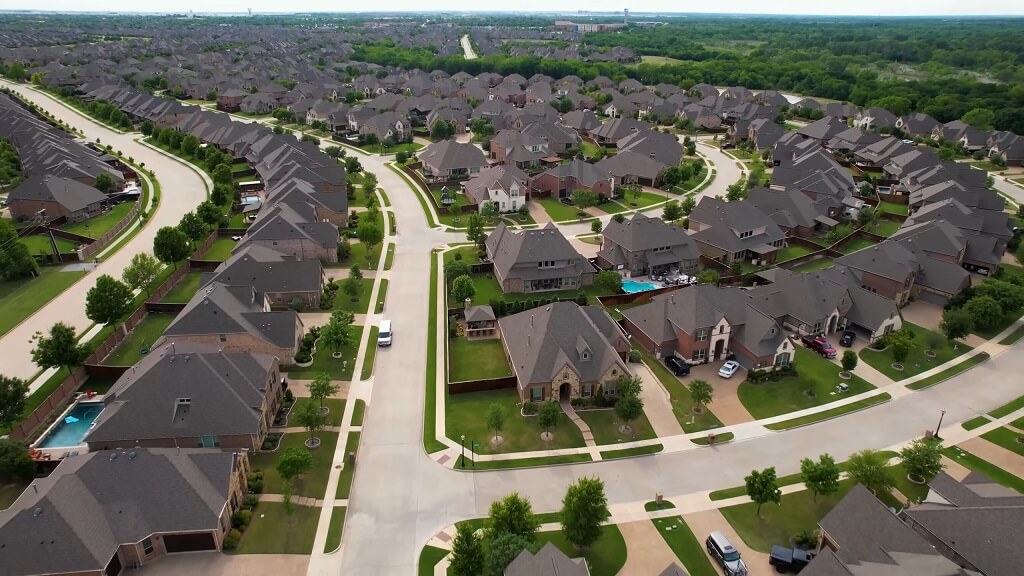
Texas finishes 2025 with conditions that define the starting point for the 2026 forecast. TRERC reports the statewide median home price at roughly 330,000 to 345,000 USD, depending on the metro, representing a mild year-over-year decline but not a structural downturn.
The market carries 5.5 months of inventory, a meaningful shift away from the undersupplied environment that dominated the early 2020s. Zillow’s statewide estimate places the average Texas home value at 297,000 USD, down about 2.6 percent year over year, reflecting a clear deceleration in price appreciation after more than a decade of growth.
Days on market have expanded significantly. Properties that sell typically close after 67 days, while homes that remain active tend to sit closer to 90–100 days, emphasizing the need for accurate pricing and stronger listing preparation.
Active listings are more than 20 percent higher than the previous year, confirming that supply expansion is not a temporary phenomenon but a sustained trend that will shape the 2026 landscape.
While prices have not collapsed, the correction phase has already occurred across much of the state, especially in high-growth metros like Austin. The final quarter of 2025 provides enough data to support a clear baseline: Texas enters 2026 as a cooler, more balanced market, with meaningful variation across regions.
Economic Indicators Supporting the 2026 Forecast
Statewide economic conditions are a significant factor in the direction of the housing market. TRERC projects that Texas GDP will expand by 2.25 to 2.65 percent in 2026, outpacing the national average and reinforcing long-term demand fundamentals.
Job growth is estimated between 1.5 and 1.9 percent, driven by the energy sector, logistics, manufacturing, and technology corridors around Dallas, Austin, and Houston. Texas continues to add more than 400,000 residents annually, distributed among high-growth suburbs, major metros, and expanding industrial regions.
Mortgage rate expectations, however, continue to influence how buyers and sellers behave. Most forecasts expect 30-year mortgage rates to remain around 6.0 to 6.4 percent by late 2026.
This is a substantial improvement from peak levels above 7.5 percent in 2023–2024, but it is still significantly higher than the ultra-low rates that shaped buyer psychology during the pandemic. The current lock-in effect is therefore expected to remain one of the most important dynamics of the coming year.
Texas Housing Market: 2025 Baseline and 2026 Direction
The following table presents a consolidated snapshot of the Texas market as 2026 begins:
| Metric | Late 2025 | 2026 Expectation |
| Median sale price | 330,000–345,000 USD | Modest increase to ~350,000 USD |
| Average statewide value (Zillow) | 297,000 USD | Flat to mildly positive growth |
| Inventory | 5.5 months statewide | Slowly declining but still elevated |
| Active listings | Up 20% YoY | Slight reduction as demand recovers |
| Mortgage rates | 6.5–7.0% mid-2025 | ~6.0–6.4% by the end of 2026 |
| Days on market | 67 days (sold), ~96 days (active) | Minor improvement if rates ease |
| Statewide annual sales | ~340,000 homes | Increase of ~2 percent |
This data illustrates the character of the year ahead. The market is not expected to shift rapidly but will instead move through a slow normalization phase.
Demand increases only when mortgage rates decline enough to stimulate activity among first-time buyers and existing homeowners who have been waiting for affordability improvements.
Regional Breakdown: 2026 Expectations by Major Metro
While statewide trends are useful, Texas is defined by significant regional variation. Each of the major metros shows distinct behaviors heading into 2026.
Austin: A Price Reset Phase Still in Progress
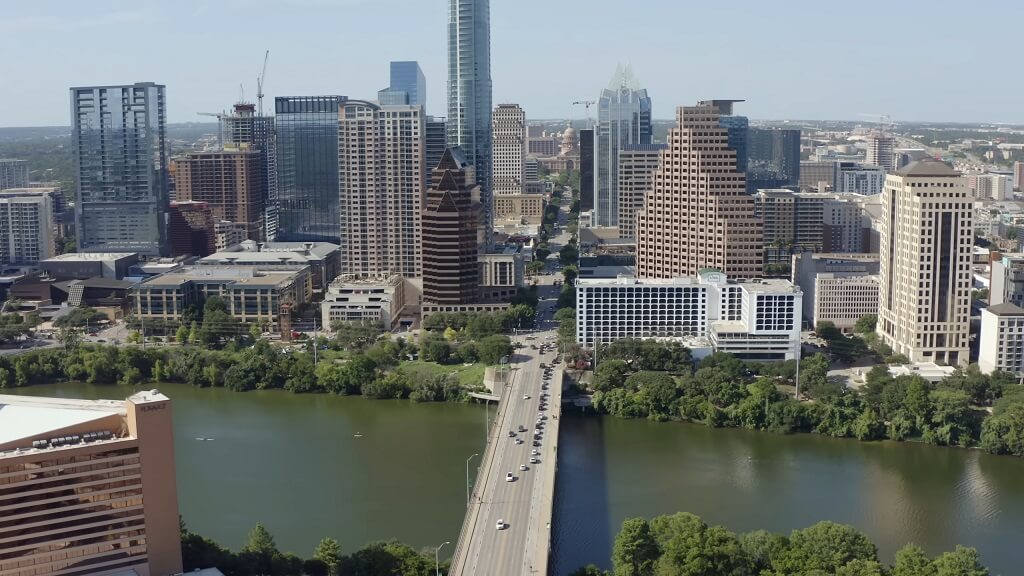
Austin continues to operate as the most corrected market in the state. After explosive growth between 2020 and 2022, prices have returned to more sustainable levels.
TRERC’s late-2025 data places Austin’s median price at approximately 415,000 USD, down from 425,000 USD the year before. Inventory remains high, and price cuts are frequent.
Austin’s labor market, dominated by technology, education, and research institutions, remains strong, but the housing sector is still digesting oversupply built during the pandemic boom. In 2026, Austin is projected to remain one of the most negotiable major markets in Texas, giving buyers more flexibility than in other metros.
Dallas–Fort Worth: Resilient but Clearly Softening
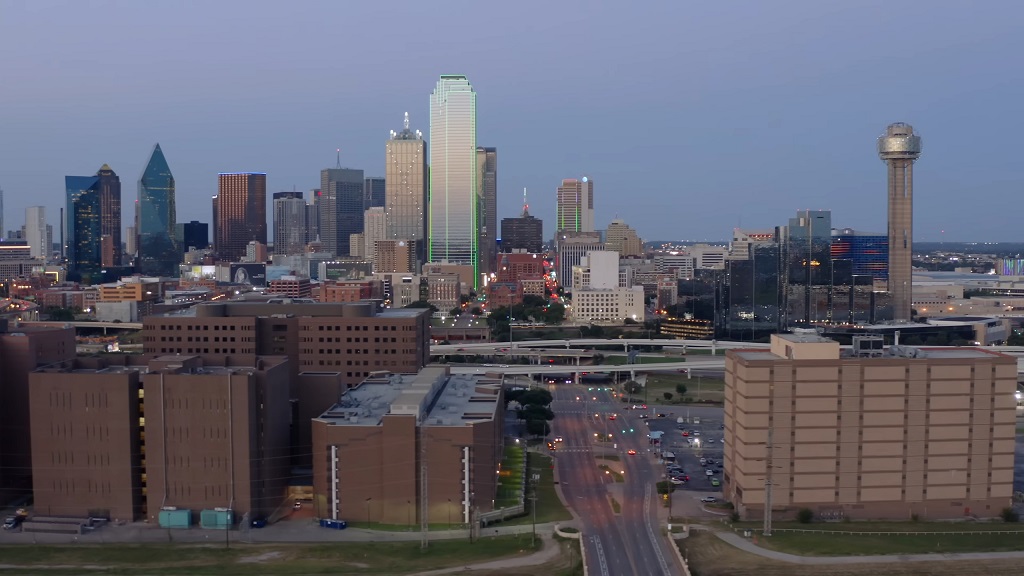
DFW continues to show relatively stable prices, supported by long-term population growth and a diverse economic base.
However, active listings have increased more than 35 percent year-over-year in some counties, and demand in the 350,000–600,000 USD range has weakened.
TRERC’s data identifies only a 1 percent annual price decline, but the growing supply and longer days on market indicate that DFW is now on the buyer-friendly side of balanced.
In 2026, DFW is expected to experience moderate activity, neither overheating nor declining sharply. Suburban demand around Fort Worth and Arlington remains stable but more sensitive to mortgage-rate changes than in previous years.
Houston: Inventory Pressure with Strong Long-Term Demand
Houston shows a similar pattern to DFW, but with more noticeable inventory pressure. Prices have fallen around 1 percent year-over-year, yet job growth in energy, medical sectors, and industrial logistics continues to support long-term housing demand.
TRERC expects warehouse and industrial rents in Houston to increase between 3 and 4 percent by mid-2026, a signal of strong economic expansion that will continue to attract workers.
Flood-risk zones and high-insurance-cost neighborhoods remain more price-sensitive than the metro as a whole, and these micro-markets will remain closely tied to underwriting and appraisal constraints throughout 2026.
San Antonio and Secondary Metros: Steady Growth and Relative Affordability
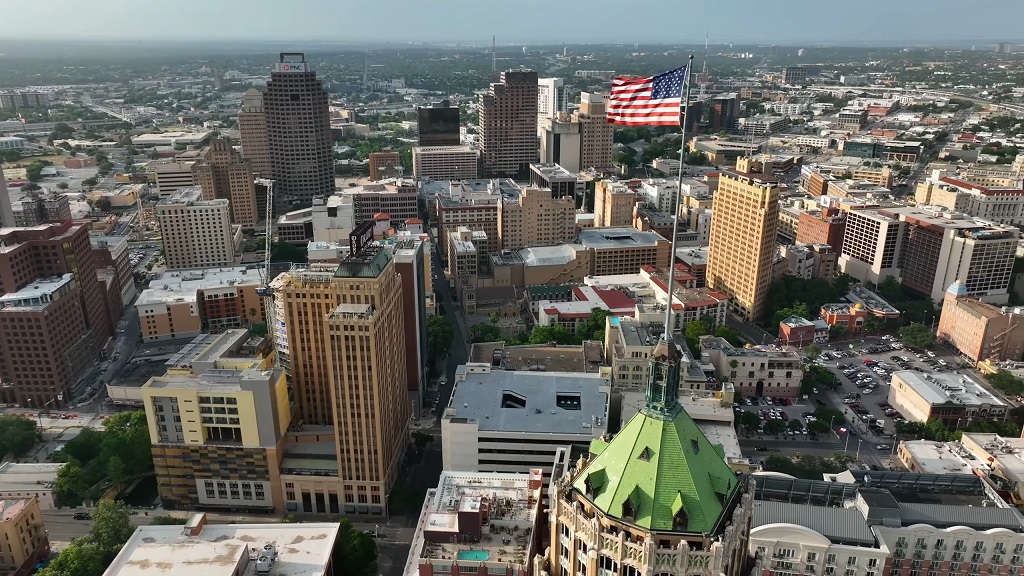
San Antonio has recorded nearly 2 percent annual price declines, but overall stability remains stronger here than in high-priced metros.
Large suburban developments, military presence, and lower overall cost structures keep demand relatively steady. Infrastructure expansions and commercial development on the Far Northside indicate continued growth corridors.
Secondary metros such as Waco, Killeen–Temple, Corpus Christi, and the Rio Grande Valley continue to absorb demand from buyers priced out of major metros. These areas are expected to outperform statewide averages in sales volume, although price appreciation will stay modest.
What 2026 Means for Texas Buyers
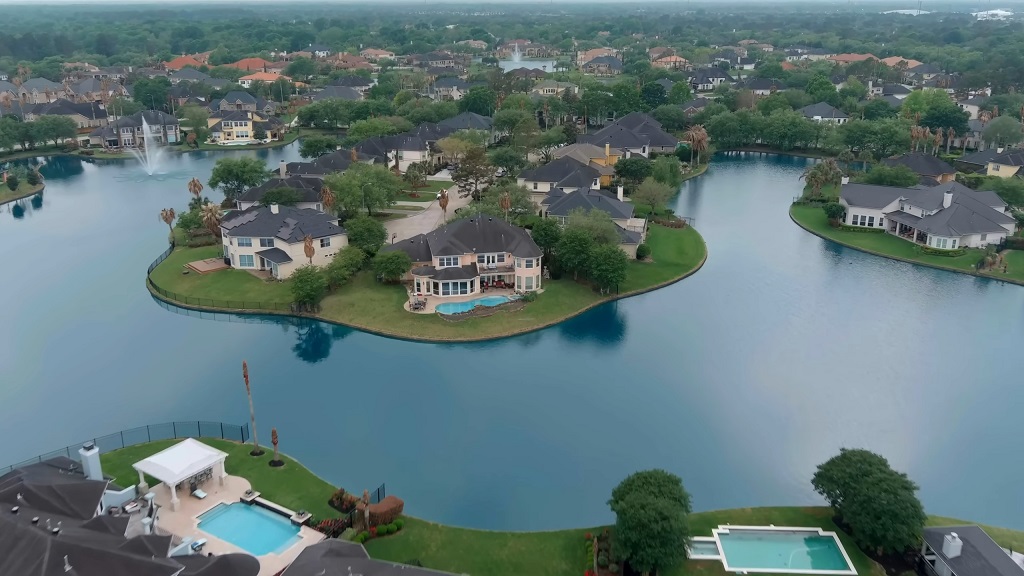
The 2026 market environment gives buyers room to operate without the intense competition that defined earlier years. Elevated inventory means that buyers can explore more options, negotiate more effectively, and evaluate properties without time pressure. Days on market near the 60–100 day range create opportunities for price reductions, seller-paid closing costs, and inspection-based renegotiations.
Mortgage affordability remains the defining constraint. Even with rates trending toward the low 6 percent range, many first-time buyers face higher monthly payments than they would have in 2019–2021.
This places particular importance on the entry-level segment, where demand remains strongest. Homes under 300,000 USD continue to experience comparatively quick turnover, while the mid-tier segment faces slower movement.
One trend that will continue in 2026 is the limited participation of existing homeowners. With more than 80 percent of mortgaged Texas homeowners locked into rates below 6 percent, many potential sellers will stay put unless financial circumstances require moving. This dynamic keeps the resale market constrained, but it also gives buyers stronger negotiating power among the listings that do come to market.
What 2026 Means for Texas Sellers
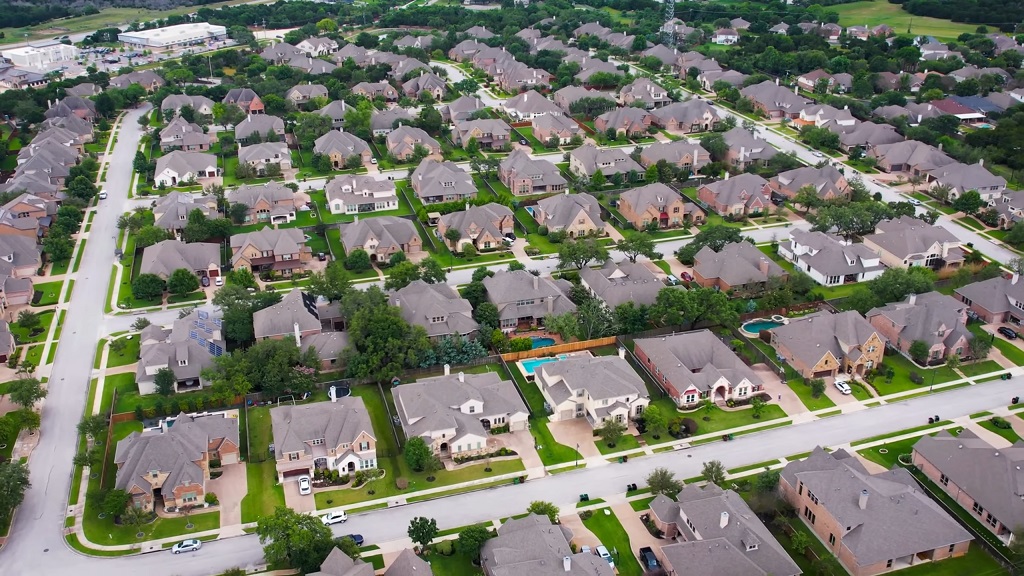
For sellers, the environment requires realistic pricing and careful preparation. Overpricing leads to extended days on market, which then increases the likelihood of price reductions. With price cuts already averaging roughly 5 percent statewide, listing a home substantially above the most recent comparable sales is unlikely to succeed.
Sellers in the entry-level range may still see competitive activity if the home is in strong condition, located in a high-demand school district, or priced below local thresholds. Mid-tier and luxury listings face more challenges because their buyer pools are smaller and more rate-sensitive.
Many real estate teams in Texas are also rethinking how they handle client workflows, especially as longer days on market require more consistent follow-ups and reporting, which is why several brokerages have started adopting outsourced communication for service businesses to manage inquiries and maintain steady engagement during slower cycles.
Concessions are becoming an increasingly common tool. Rate buydowns, inspection credits, and closing cost support are now typical in negotiations. Sellers who adapt early tend to shorten time on market and avoid deeper price corrections later.
From a practical standpoint, 2026 requires a shift in expectations. The pace of sales has normalized, and transactions that once took 14 days now take 45–90 days. Sellers who understand the current cycle tend to perform better than those who anchor on the 2021 boom.
Texas Rental and Commercial Property Outlook
The rental market remains stable across the state. TRERC projects that single-family rents will remain near 2,200–2,300 USD per month, with minimal year-over-year growth. Multifamily units delivered between 2024 and 2025 created a temporary oversupply in certain metros, placing downward pressure on rent growth for Class A apartments. As fewer new units reach completion in 2026, occupancy rates should stabilize, but significant rental acceleration is not expected.
Commercial activity remains one of the strongest sectors of the Texas economy. Industrial real estate, particularly logistics and warehousing, continues to expand at above-national-average rates. Retail development is concentrated in high-growth suburban regions where population inflow remains steady.
These commercial trends indirectly support the housing market by generating employment, reinforcing local tax bases, and stabilizing long-term demand for residential units.
Bottom Line
The 2026 Texas real estate market is defined by stability rather than volatility. Prices are expected to grow marginally, inventory will remain elevated, and mortgage rates will continue to shape consumer behavior.
Buyers benefit from stronger negotiating power and slower market velocity, while sellers must adapt to a more competitive environment where pricing accuracy and concessions matter.
Different regions of Texas display different trajectories, but the overarching trend is a return to normal activity levels supported by a strong state economy and steady population growth.