There is no single best schooling option for children with special needs. Evidence from education research consistently shows that outcomes depend far more on the severity of disability, quality of support services, teacher expertise, school resources, and individual child characteristics than on whether a child attends a mainstream public school with an Individualized Education Program (IEP) or a specialized school.
Studies in inclusive education have shown measurable benefits in graduation rates and long-term independence for some students, particularly those with mild to moderate learning challenges. For instance, large inclusion studies in North America found that students educated primarily in inclusive classrooms were roughly 20 to 25 percent more likely to graduate high school compared with peers in segregated settings.
At the same time, research on specialized education environments shows stronger functional outcomes for students with complex disabilities, especially regarding daily living skills, vocational preparation, and emotional stability.
Public School IEP Education

An Individualized Education Program is a structured educational plan designed to help students with disabilities succeed in mainstream educational environments. The plan outlines academic accommodations, therapy services, classroom supports, and measurable goals. Its purpose is not to lower expectations but to remove barriers so the child can participate meaningfully in general education.
In many countries, including the United States and European systems using equivalent Individual Education Plans, these programs are legally protected. Schools must provide reasonable accommodations, document progress, and regularly review educational goals.
Despite these legal frameworks, the quality of implementation varies widely depending on funding, teacher training, and administrative commitment.
Research suggests that inclusive education can improve social development and peer relationships when properly implemented. Children often develop stronger communication skills through exposure to neurotypical peers, and inclusive classrooms can reduce stigma over time. However, academic gains are not guaranteed.
Without adequate support staff, training, or classroom adjustments, inclusion may simply place a struggling child in an environment not designed for their needs.
What Specialized Schools Provide
Specialized schools are designed specifically for students whose needs require more structured environments. These schools typically integrate therapy into the school day, employ specially trained educators, and maintain smaller class sizes. This allows for individualized instruction that can be difficult to achieve consistently in mainstream settings.
Many specialized institutions focus not only on academic achievement but also on functional life skills, emotional regulation, communication development, and vocational readiness. For children with moderate to severe autism, intellectual disabilities, or sensory impairments, these focused supports often improve daily functioning and independence.
The difference is not simply academic intensity. Specialized schools frequently emphasize predictability, structured routines, and therapeutic continuity, which can significantly reduce anxiety for children with sensory or behavioral challenges.
Academic Outcomes Comparison
Academic performance varies widely depending on individual student profiles, but broad research trends highlight distinct strengths for each approach.
| Outcome Area | Public School IEP | Specialized School |
| Graduation likelihood | Higher for mild disabilities | Mixed results |
| Academic rigor | Generally, higher curriculum exposure | Often modified |
| Therapy integration | Variable availability | Usually embedded daily |
| Individual attention | Depends on class size | Typically higher |
Inclusive classrooms can expose students to standard curricula and peer expectations, which can support academic motivation. However, specialized schools often prioritize mastery and functional learning rather than traditional academic benchmarks, which may be more appropriate for certain disabilities.
Social Development And Emotional Factors
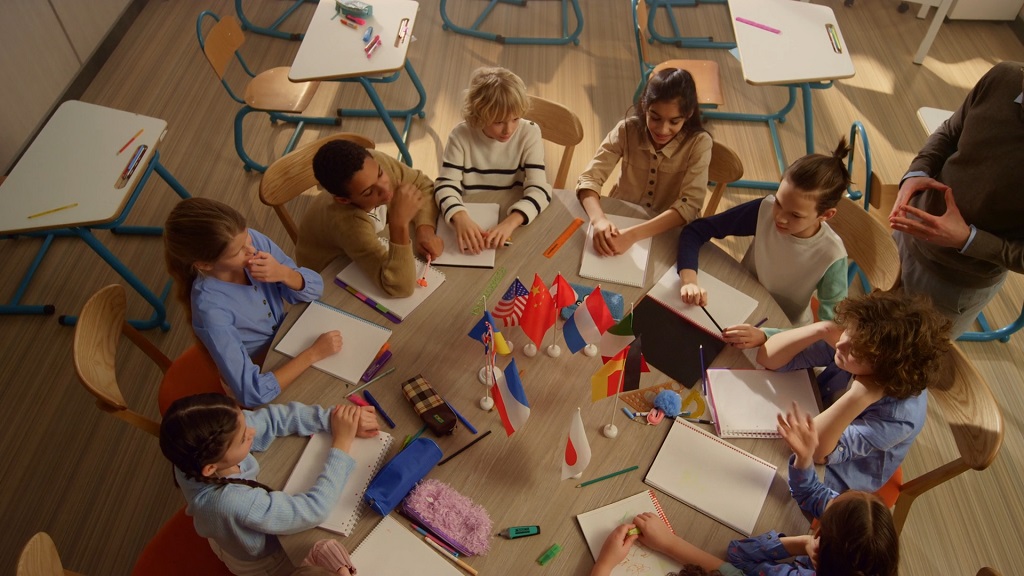
Social development is one of the most debated aspects of special education placement. Inclusive education can promote peer interaction, reduce social stigma, and encourage communication skill development. Children who learn alongside typically developing peers may develop stronger adaptive social skills and broader friendship networks.
However, inclusion does not automatically produce social integration. Some children experience isolation even in mainstream settings, particularly if adequate supports are absent. Bullying, sensory overload, and classroom pace can negatively affect emotional well-being.
Specialized schools, on the other hand, often provide emotionally safer environments. Students interact with peers facing similar challenges, which can reduce comparison stress and social anxiety. Structured social skills training is also more common in these settings.
Long-Term Life Outcomes
Long-term outcomes are influenced by both the educational environment and ongoing support. Studies tracking students into adulthood suggest inclusive education can improve employment integration and community participation for individuals with milder disabilities. Exposure to mainstream expectations may foster independence and self-advocacy.
For individuals with more significant disabilities, specialized programs frequently offer stronger vocational preparation and life skills training. These programs may focus on practical independence rather than academic achievement alone.
| Long Term Outcome | Inclusive Education Trend | Specialized School Trend |
| Employment integration | Often higher for mild disabilities | Strong vocational training focus |
| Independent living skills | Variable | Often prioritized |
| Social integration | Broader networks | More structured social environments |
| Emotional stability | Depends on support quality | Often more consistent |
These differences highlight the importance of aligning educational settings with realistic developmental goals.
Legal And Advocacy Considerations
Educational rights frameworks in many countries require schools to provide appropriate accommodations for students with disabilities. However, disputes over services, placement decisions, or compliance with educational plans are not uncommon.
In complex disputes involving IEP implementation or placement decisions, consulting a special needs education attorney can help families protect their child’s educational rights. Legal advocacy can significantly influence whether a child receives the support outlined in an IEP or equivalent educational plan.
This aspect is often overlooked but can directly affect educational outcomes.
Financial And System Capacity Factors
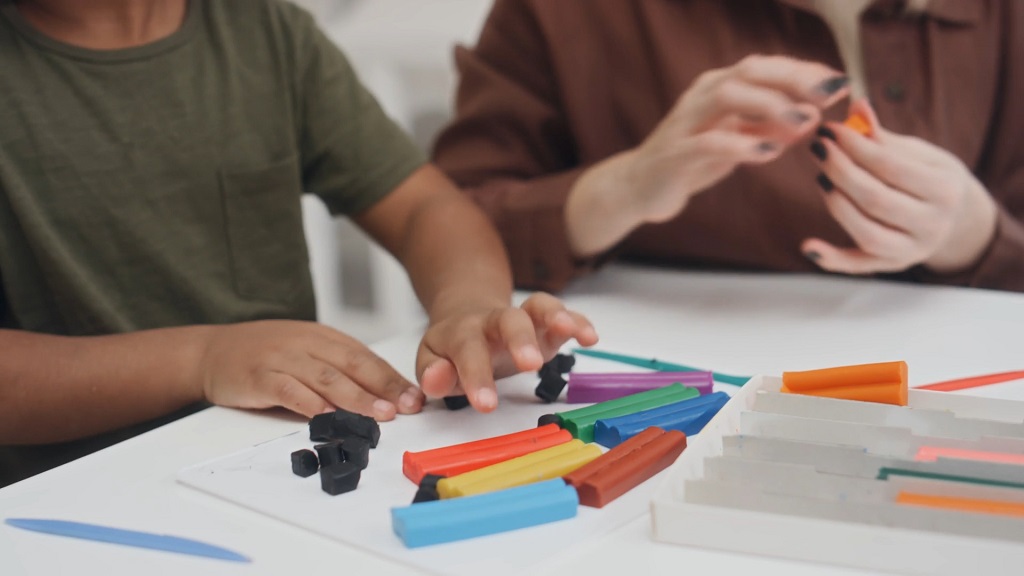
Education systems worldwide face rising costs related to special education. Increased diagnosis rates, expanded legal protections, and higher expectations for inclusive education have driven funding demands upward.
| System Factor | Impact on Public IEP Schools | Impact on Specialized Schools |
| Funding constraints | Can limit aides and therapies | May limit enrollment capacity |
| Teacher training gaps | Common challenge | Typically more specialized |
| Therapy availability | Inconsistent | Often integrated |
| Resource allocation pressure | Increasing globally | Increasing globally |
These systemic pressures influence placement availability and quality of services more than many families initially realize.
Matching School Type To Disability Severity
Educational research consistently shows that the severity and type of disability strongly influence optimal placement. Children with mild learning disabilities, ADHD, dyslexia, or mild autism frequently benefit from inclusive environments when adequate support exists. Peer interaction, exposure to standard curricula, and gradual independence development often produce positive outcomes.
Conversely, children with significant intellectual disabilities, complex autism spectrum conditions, sensory impairments, or medical needs often require structured environments and integrated therapeutic support that specialized schools provide more consistently.
This distinction is not absolute, but it reflects dominant research trends.
Hybrid Education Models Are Increasing
Many education systems now use blended approaches combining inclusive classrooms with specialized support units. Students may spend part of the day in mainstream classes and part receiving targeted therapy or instruction.
These hybrid models attempt to capture the benefits of both inclusion and specialization. Early evidence suggests they can improve both academic performance and social adjustment when implemented effectively.
Bottom Line
Research consistently shows there is no universally superior option between public school IEP placement and specialized schools for children with special needs. Inclusive education can improve graduation rates, social integration, and independence for many children with mild to moderate needs when adequate support exists.
Specialized schools often provide better structured learning environments, integrated therapies, and vocational preparation for students with more complex disabilities.
