

Alberta’s real estate market in 2026 is shifting away from an overheated boom and moving into a more balanced, stable phase.
Market conditions reflect moderation after several years of rapid price gains and intense competition.
Economic resilience, population inflows, and calmer borrowing conditions are shaping expectations for steady performance rather than volatility.
Price growth is projected to continue at a moderate pace, while inventory levels rise and buyer confidence improves. Increased housing selection is drawing first-time buyers and investors back into activity.
Conditions favor informed decision-making, longer planning horizons, and reduced pressure compared to earlier cycles.
Economic Context and Market Fundamentals
Broader economic forces continue to shape housing activity across Alberta as 2026 approaches.
Energy output, population movement, and labor conditions combine to support steady housing demand while reducing the volatility seen in prior years.
National trends also play a role, yet provincial fundamentals place Alberta in a comparatively strong position.
Alberta’s Economic Strength

Energy production remains a central driver of provincial stability.
Oil output exceeding 4 million barrels per day provides reliable government revenue and supports a wide range of related industries.
Production levels remain at record highs, reinforcing confidence among employers, investors, and households planning long-term commitments.
Several indicators illustrate economic momentum expected to persist into 2026, including:
- projected GDP growth near 2.3%, higher than most Canadian provinces
- continued interprovincial migration tied to lower housing costs and quality-of-life considerations
Population growth continues at a rapid pace, while employment gains expand at a slower rate. Resulting labor conditions keep unemployment within the 7% to 8% range.
A balance between workforce expansion and job creation limits overheating and contributes to predictable housing demand rather than speculative surges.
National and Regional Economic Trends
Housing markets across Canada experienced a difficult adjustment during 2025.
Elevated borrowing costs and affordability pressure reduced transaction volumes across most major centers. Conditions entering 2026 show measurable improvement as confidence begins to recover.
Key national sentiment indicators signal renewed activity, including:
- an expected 3.4% increase in national home sales
- roughly one in ten Canadians is planning a home purchase within twelve months
First-time buyers represent about half of those intending to buy, reinforcing long-term demand rather than short-term trading activity.
Roughly one quarter of Canadians believe affordability will improve in their local market, helping support participation after an extended pause.
Regional Insights
Regional performance varies across Alberta, though overall conditions favor balance rather than excess.
Calgary

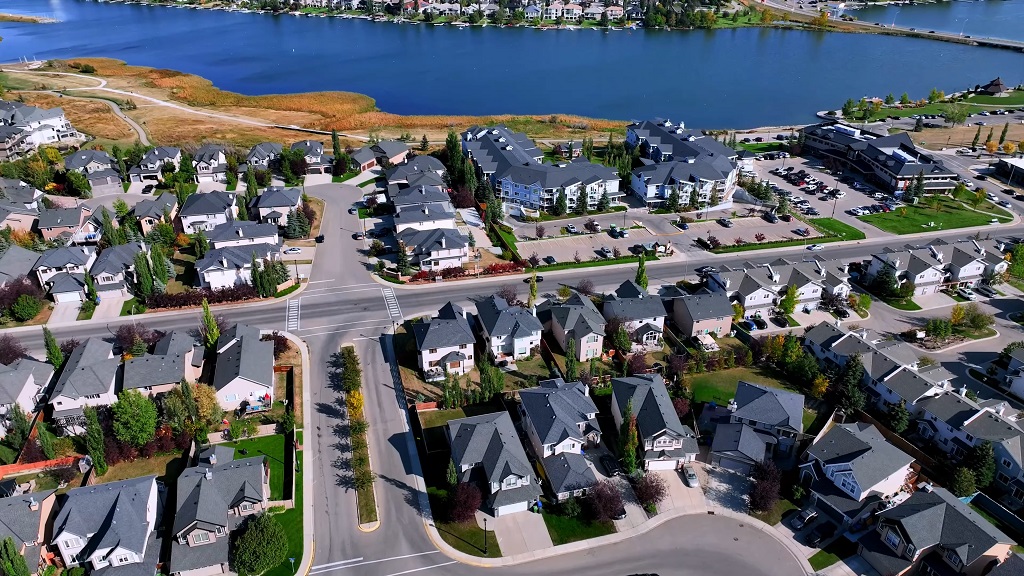
Market conditions remain balanced, supported by steady demand and expanding suburban supply.
Development in surrounding communities helps relieve pressure within central areas.
Price growth expectations range between 3% and 5%, signaling moderation compared with earlier acceleration.
Edmonton

Affordability continues to define Edmonton’s market. First-time buyers and investors focused on rental income remain active participants.
Many homeowners are also enhancing their properties with energy-efficient upgrades such as new windows and doors, services offered by Canadian Choice, a local provider specializing in high-performance home solutions.
Forecast price growth falls between 2% and 4%, supported by population increases and stable employment conditions.
Secondary Markets
Regional centers such as Red Deer and Lethbridge continue to absorb population growth.
Lower entry costs and strong rental demand sustain interest among relocating households.
Secondary markets play an expanding role in meeting housing demand without the pricing pressure observed in major metropolitan areas.
Price Trends and Projections
Home price behavior across Alberta reflects a shift away from rapid escalation and toward controlled, sustainable growth.
Regional variation remains important, yet provincial averages continue to outperform national results.
2023 to 2025
Rapid appreciation during 2022 and 2023 reshaped buyer behavior. Multiple-offer situations and compressed listing timelines became common, particularly in Calgary and Edmonton. Price acceleration outpaced income growth during that period.
Interest rate increases introduced a correction phase during 2025. Affordability pressures slowed demand, reduced competition, and moderated price gains.
Markets gradually adjusted as supply increased and buyers exercised greater caution.
2026 Price Forecasts
Forecasts point toward moderate appreciation rather than stagnation.
Provincial average prices are expected to reach approximately $518,878 during 2026, representing annual growth of 4% to 5%.
Performance remains stronger than national averages, where prices are projected to decline by about 3.7%.
Regional price expectations vary and reflect local supply conditions:
- Calgary shows anticipated growth between 3% and 5% as inventory expands
- Edmonton records projected gains between 2% and 4%, supported by affordability
Smaller cities such as Red Deer and Lethbridge attract buyers seeking lower entry costs and better value.
Remote work flexibility and budget-conscious purchasing decisions contribute to rising interest in these centers.
Inventory and Housing Supply
Supply conditions play a central role in stabilizing Alberta’s housing market. Increased construction and higher resale listings reduce the pressure that defined earlier cycles.

Inventory Rebound
Listing activity increased across Canada during 2025, with some regions reporting year-over-year growth above 20%.
Alberta followed a similar pattern, supported by steady construction pipelines.
Expansion in specific development zones contributes to improved availability, including:
- Sturgeon County and the surrounding Edmonton suburbs
- outer Calgary communities with large-scale residential projects
New subdivisions and completed builds add meaningful options for buyers and ease competition within resale segments.
Impact on Buyer Behavior
Improved supply alters negotiation dynamics. Buyers gain additional time for evaluation, inspections, and financing preparation.
Urgency common during earlier cycles has largely subsided.
Demand remains concentrated in certain property types.
Family-oriented homes located in suburban neighborhoods and secondary markets continue to attract consistent interest due to space considerations, pricing advantages, and suitability for long-term ownership.
Sales Activity and Buyer Motivation
Transaction volumes show signs of recovery as confidence returns. Alberta benefits disproportionately due to favorable pricing compared with other provinces.
National sales are expected to rise approximately 3.4% after sharp declines during 2025. Alberta is positioned to outperform that figure as affordability draws sidelined buyers back into activity.
Remote workers and value-focused purchasers increasingly select Red Deer, Lethbridge, and similar cities. Interprovincial migration remains a strong contributor as residents relocate away from higher-priced regions in Ontario and British Columbia.
Mortgage and Interest Rate Outlook
Financing conditions continue to normalize after several years of sharp adjustment. Rate predictability supports confidence across buyer segments.
Rate Predictions
Policy rates set by the Bank of Canada may reach approximately 2.75% during 2026 following a dip near 2.25% during 2025. Mortgage markets reflect a shift toward stability rather than aggressive tightening.
Common lending expectations include:
- five-year fixed mortgage rates remaining above 4%
- variable-rate products trending slightly lower
Reduced volatility allows borrowers to plan purchases with greater certainty.
Strategic Implications
Stable borrowing costs shift attention toward mortgage structure rather than short-term rate timing. Portability options, prepayment flexibility, and manageable penalties carry greater importance during decision-making.
Longer ownership horizons gain favor as households prioritize security and predictable housing expenses instead of speculative appreciation.
Summary
Alberta’s real estate market in 2026 is characterized by moderate growth, improving supply conditions, and reduced volatility.
Buyers, sellers, and investors operate within a setting that rewards preparation and informed choices.
Economic strength, expanding inventory, and stable borrowing conditions position Alberta as one of Canada’s strongest real estate performers in 2026. Long-term confidence replaces short-term urgency, supporting sustainable activity across the province.
