


Blog

Category: Demographics

National Spouses Day
Demographics
Emily Benet

National Spouses Day Etiquette In The US – What To Do, What To Avoid

National Spouses Day takes place each year on January 26 in the United States. Purpose centers on appreciation rather than performance. Attention shifts away from gifts and spectacle and moves toward reflection, effort, and daily partnership. Valentine’s Day often carries pressure tied to romance and spending, while this occasion invites something quieter and more grounded.

Read More »
Stage 5 Countries
Demographics
Matthew Gray

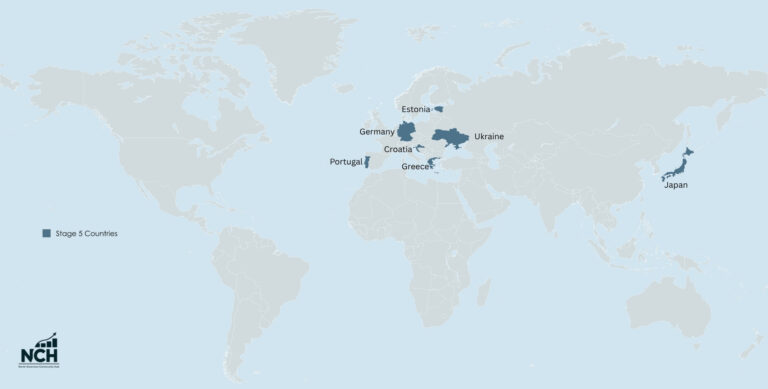
What Are Stage 5 Countries in the Demographic Transition Model?

Stage 5 starts when the birth rate drops below the death rate. In this phase, families have fewer than two children on average. Governments in Stage 5 countries face a new kind of challenge. They must support many older citizens with a smaller group of workers. Therefore, pensions, healthcare, and labor shortages are becoming serious

Read More »
Demographics
Matthew Gray

Why Florida Continues to Dominate US. Population Growth in 2025?

Florida has grown very fast in recent years. From 2020 to 2024, the population rose by 8.24 percent, more than in any other state. That surge has already changed daily life in many parts of Florida. More than 1.8 million people moved to the state in those four years, and 467,347 arrived in 2023 alone,

Read More »
Average Salary Per Month in US
Business and Economy
Matthew Gray

Average Salary Per Month US – Key Insights for 2025 Earnings

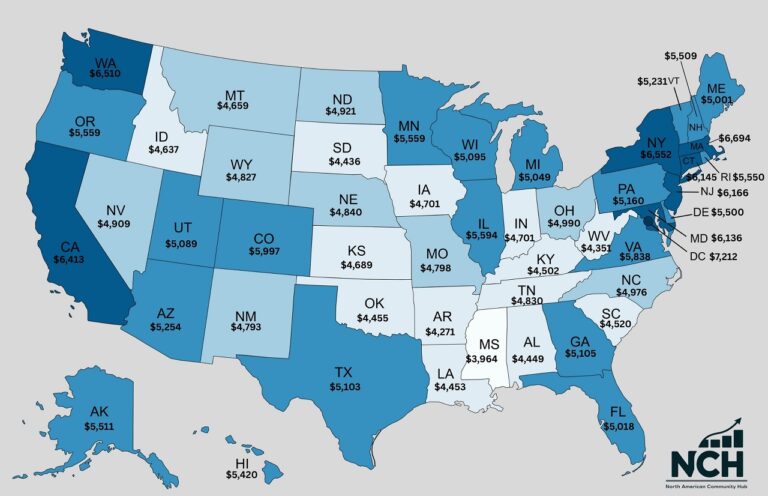
The average salary per month in the US in 2025 sits at about $5,625, but that number hardly tells the full story. Some people take home far more, others far less. Median weekly earnings are around $1,194, which works out to about $5,174 a month. Pay depends heavily on where you live and what kind

Read More »
Person typing on a laptop at an outdoor desk surrounded by flowers and notebooks, illustrating remote work in a relaxed setting
Demographics
Matthew Gray

The Impact of Remote Work on Mid-Sized American Cities

The post-pandemic American workplace is now permanently altered. What began as a temporary health emergency response has evolved into a structural shift in the geography of work. Take the case of Tucson, Arizona, a classic example of a mid-sized city with a growing tech and defense sector. Pre-pandemic, only 4.9% of the workforce worked remotely.

Read More »