


Blog

Category: Demographics

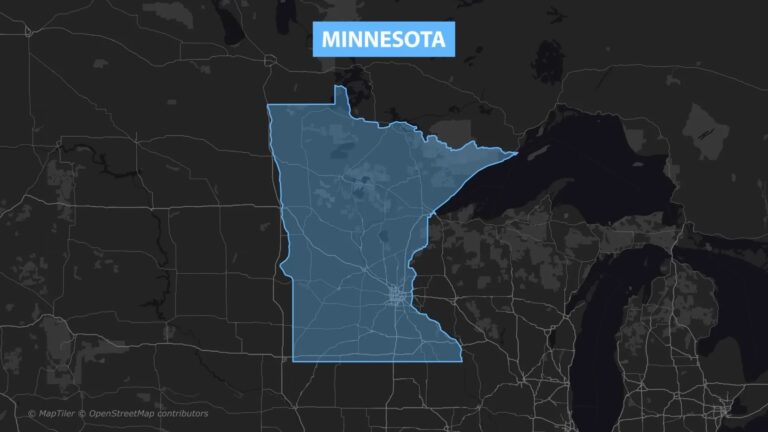
A Map of Minnesota Highlighting the State's Boundaries with A Focus on Population Distribution for Minnesota

Minnesota Population in 2025 – Demographics Overview and Trends

Minnesota is one of the largest states by land and sits near the middle in population size. In 2025, about 5.76 million people live in the state, according to World Population Review. The population has been climbing steadily in recent years. Between 2021 and 2022 alone, more than 59,000 new residents were added, thanks to

Montana Leads the Biggest Marriage Rate Increase During 2020

Biggest Increase in the Marriage Rate During 2020 Occurred in… Montana?

Many social and health markers were significantly disrupted in 2020 due to the pandemic. Mortality rates increased, and fewer people sought medical care. Fertility rates dropped sharply. Employment levels and other economic indicators were greatly impacted. The workplace changed drastically. Education faced unprecedented challenges in 2020. Another social marker impacted by the pandemic was marriage

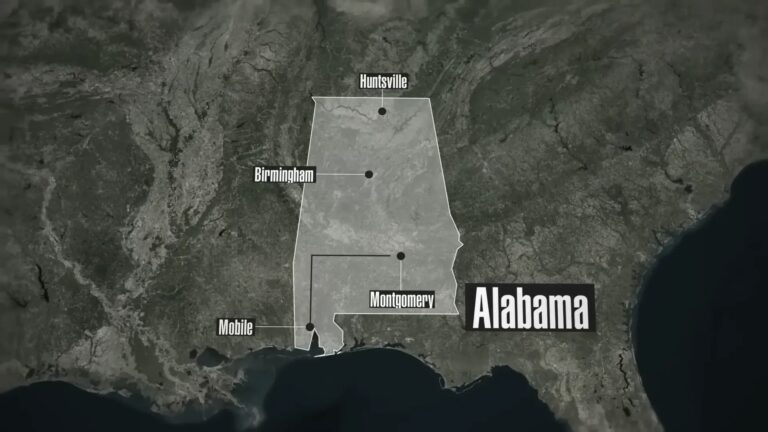
Alabama Population

Alabama Population 2025 and Beyond – Trends and Projections

The population growth rate in Alabama currently stands at around 0.26% per year, positioning the state as the 36th fastest-growing in the nation. As of 2025, the population of Alabama is estimated at 5,143,030 people according to World Population Review. With a total area of 52,420 square miles, the state has a population density of

Hawaii Population Stats

Hawaii Population 2025 – Key Stats and Insights

Hawaii begins 2025 with about 1.39 million residents, down from 1.41 million just five years ago. The decline may seem small on paper, but it carries a larger story. More than 20,000 people have left the islands since 2020, often citing housing costs that now average $870,000 for a single-family home and limited job opportunities

A stylized map of North America with a compass rose, overlaid on a faded American flag with floral decorations

North vs. South America – Key Differences in Population, Culture, and Economy

The Americas are home to over 1 billion people, spread across 23 countries in North America and 12 in South America. But how similar are they? At first, the contrasts are striking. North America is wealthier and dominated by advanced economies like the United States and Canada, while South America relies heavily on natural resources