A new statewide poll conducted by Magellan Strategies in October 2025 shows that a clear majority of Colorado voters believe K–12 education is headed in the wrong direction.
Out of 1,078 registered voters surveyed, 57% expressed dissatisfaction with the direction of public schools, while only 29% felt schools were on the right track.
Concern stretches across parents, non-parents, Republicans, independents, and unaffiliated voters, signaling broad worry about how well students are being served.
National polling reinforces this picture of anxiety. Only 16% of Americans say K–12 education is headed in a positive direction, even as 76% of parents say they are satisfied with their own child’s school.
Such a gap tells us how local experiences often differ sharply from public opinion about education as a whole.
Key Poll Findings
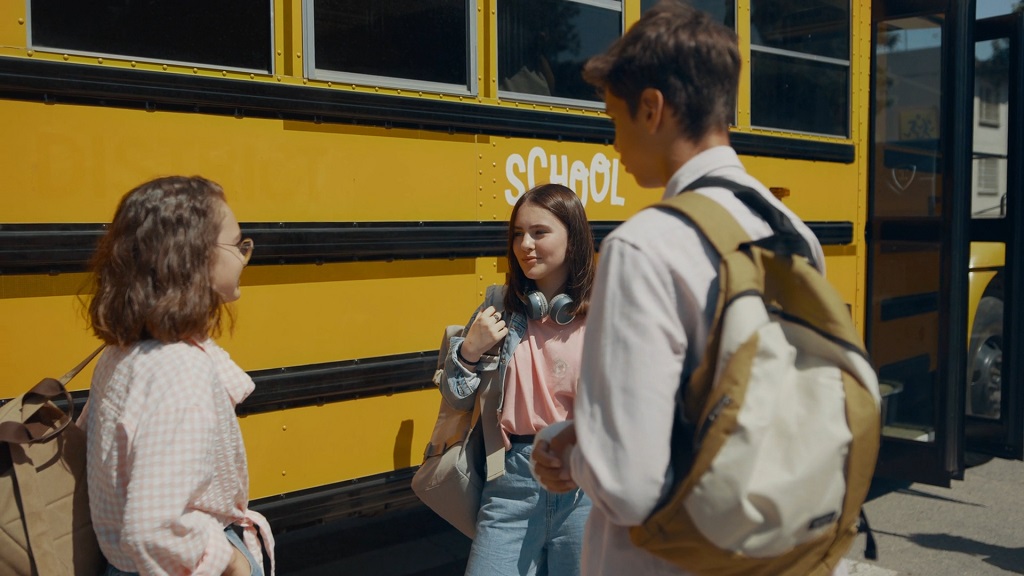
Colorado voters show notable pessimism about statewide education outcomes.
Polling, conducted by Magellan Strategies, records the following:
- 57% say public education is on the wrong track
- 29% who say it is on the right track
- 14 % who remain unsure
Sentiment has shifted slightly in recent years, with modest improvement in approval since 2023, rising from 39 to 42%, although dissatisfaction continues to outpace optimism.
National context mirrors Colorado’s pattern. About half of Americans say education is on the wrong track, and only one-quarter believe national K–12 education is going well.
Concerns about academic quality, political conflict, and long-term readiness continue to influence perceptions.
Political and Geographic Breakdown
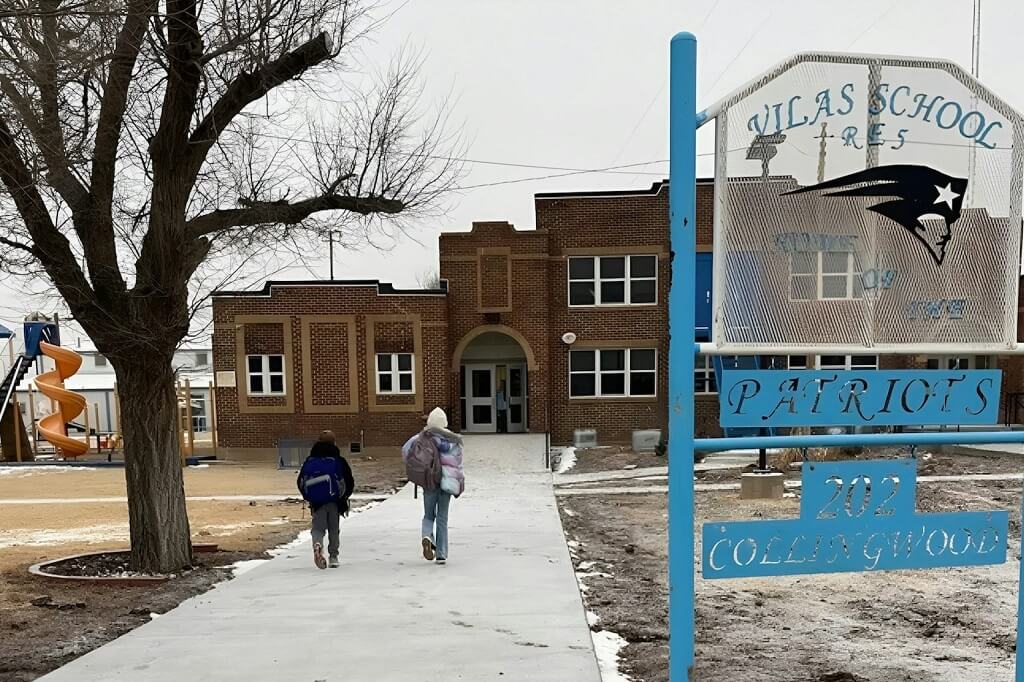
Colorado’s political divide plays a powerful role in how voters interpret K–12 conditions.
Republicans express overwhelming concern, with 83% saying education is headed in the wrong direction and only 10% saying schools are on the right track.
Rural voters reflect similar skepticism, with 74% reporting dissatisfaction.
Democrats present a more mixed picture. About 43% say schools are on the right track, while 35% say the opposite.
Unaffiliated voters lean negative as well, with 55% critical of statewide direction and many citing spending priorities and programs viewed as unrelated to core academic needs.
Geographic variation shapes attitudes, too.
Western Slope counties, particularly Districts 2 and 3, show comparatively stronger confidence in local schools, even as statewide sentiment trends are negative.
Top Concerns Identified by Voters
Widespread dissatisfaction with Colorado’s K–12 direction is shaped by a cluster of concerns that voters describe as urgent and unresolved.
Many argue that academic expectations have slipped, teachers are undervalued, and classrooms are increasingly caught in national political disputes.
Parents, educators, and community members often point to the same pressure points but disagree on how schools should respond.
Polling shows that frustration reaches across political lines, yet the reasons for that frustration vary sharply among different groups.
Growing unease emerges around three central issues:
- Student preparation and academic rigor
- Teacher pay and retention
- Political or cultural conflict in curriculum decisions
Academic Standards and Student Preparation
Voters repeatedly identify academic quality as a major issue.
Many believe that public schools are falling short in preparing students for adult life, citing declining standards, weak test performance, and reduced emphasis on foundational skills such as:
- Reading
- Writing
- Math
Concerns also extend to job readiness, with frustration that high school graduates often lack practical training and workplace preparation.
PASCO education resources, including their partnership with OpenSciEd, aim to counter these trends by offering an NGSS-aligned, hands-on science curriculum that strengthens critical thinking and problem-solving.
Teacher Pay and Retention
Statewide consensus forms around one issue: teacher retention.
Communities across Colorado report that recruiting and keeping skilled educators has become increasingly difficult.
Many voters say that low pay, rising living costs, and demanding workloads contribute to burnout and turnover.
Polling captures strong support for higher teacher compensation, with 69% of parents and 71% of Americans nationally favoring increased salaries.
Wide political differences shape debates over how to solve the problem. About 90% of Democrats support more funding for teacher pay, while only 28% of Republicans agree.
Some voters argue that schools need to reevaluate spending priorities before raising salaries, while others believe that competitive pay is essential for maintaining instructional quality.
Many also call attention to housing challenges facing educators in mountain and resort communities, where local costs often exceed typical teacher salaries.
Political and Cultural Issues in Curriculum
Political and cultural disagreements heavily influence public attitudes.
Many Republican voters object to what they view as ideological content, including:
- Gender-related curriculum
- Critical Race Theory
- Policies involving gender identity
Parents voicing these concerns often say schools devote too much attention to issues outside academic instruction.
Democratic voters generally emphasize inclusive environments and equity-focused teaching, arguing that students benefit when instruction reflects the experiences and needs of diverse communities.
Curriculum tensions also feed ongoing debates about parental control versus educator expertise, as many Americans say parents should have greater authority over what children learn.
Funding and Resource Allocation
Colorado voters remain divided on school funding but generally agree that current resources fall short.
About 60% believe increased funding would improve student outcomes, while 53 % say their districts lack the financial resources required to meet student needs.
Nearly half of voters, 49%, question how efficiently taxpayer dollars are spent, pointing to concerns about administrative costs and noninstructional expenses.
Rural residents show more resistance to additional spending, with support for higher funding trailing opposition by a small margin.
Even so, many voters acknowledge that schools often do as much as they can with limited budgets.
Local vs. Statewide or National Perception
View this post on Instagram
Parents show far more confidence in their own schools than in state or national systems.
About 76% of parents say they feel satisfied with their child’s school, praising strong teacher commitment and supportive environments.
Comments collected in local reporting describe teachers as going above and beyond despite low pay and limited resources.
Examples highlight this contrast. One Summit County parent praised a bilingual elementary program as well-run and inclusive.
Education researchers argue that public opinion often reflects national debates rather than personal experience, which helps explain why families rate their own schools higher than the education system overall.
Coloradans feel uneasy about the direction of public education, especially in rural regions and among conservative voters.
Concerns center on academic quality, ideological disputes, and resource limitations.
Yet even among critics, appreciation for local educators remains strong. Many voters still praise classroom dedication and value the personal attention their children receive.
Future policy debates in the state will focus on strengthening teacher retention, improving funding strategies, and reducing political conflict inside classrooms while still addressing community expectations.
Maybe the latest model will have a greater impact on education, whether you like it or not. We are talking about the Alpha School program, which replaces teachers with AI.