FMCSA, FAA, FRA, FTA, PHMSA, and USCG in One Practical Guide.
The U.S. Department of Transportation does not operate under one single safety rulebook. Instead, DOT oversees six separate federal agencies, each responsible for a specific transportation sector.
Every one of these agencies enforces mandatory drug and alcohol testing, along with operational safety regulations, but each does it differently based on risk, environment, and accident history.
More than 12.8 million safety-sensitive transportation workers in the United States fall under DOT-regulated testing programs across trucking, aviation, rail, transit, pipelines, and maritime operations.
Every year, over 6 million DOT drug and alcohol tests are conducted nationwide. A single compliance failure can trigger civil penalties exceeding $15,000 per violation, suspension of operating authority, or even criminal liability after fatal incidents.
Below is the real structure of DOT regulation, broken down by agency with dedicated tables and operational analysis, so you can clearly see how enforcement actually works.
FMCSA – Commercial Trucks, Buses, and Motor Carriers
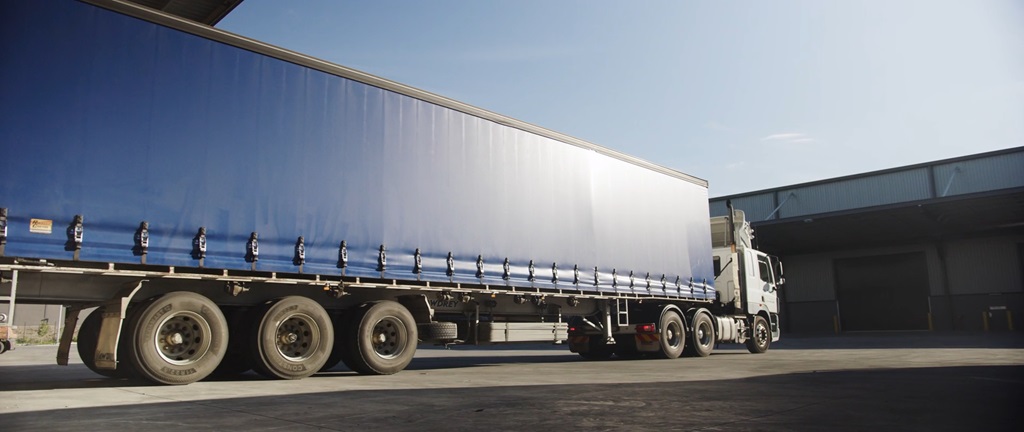
The FMCSA is the largest DOT enforcement agency by workforce size, covering nearly 3.7 million CDL drivers operating in interstate commerce.
FMCSA Rules Overview
| Governing Laws | 49 CFR Part 382, 49 CFR Parts 383–399 |
| Covered Workers | CDL Drivers in vehicles ≥ 26,001 lbs, passenger buses, hazmat drivers |
| Safety-Sensitive Functions | Driving, loading, inspecting, repairing, and dispatching the standby |
| Test Types | Pre-employment, random, post-accident, reasonable suspicion, return-to-duty, follow-up |
| Post-Accident Triggers | Fatality, citation with injury, citation with tow-away |
| Annual Random Rate | Drug testing ~50%, alcohol testing ~10% (varies by year) |
| Core Risk | Highway crashes involving commercial vehicles |
FMCSA enforcement is driven by collision prevention and roadside safety. Over 155,000 truck crashes with injuries occur annually in the U.S., with around 5,000 fatalities involving large trucks. Substance misuse becomes a primary investigation factor in serious crashes.
FMCSA audits typically combine:
- Drug testing records
- Driver logs and hours-of-service violations
- Vehicle inspection failures
- Maintenance documentation
A drug violation does not stand alone. It raises a carrier’s CSA safety score, increases insurance premiums, and may trigger full compliance reviews. This is why trucking companies treat testing failures as a business survival issue, not an HR problem.
FAA – Aviation Pilots, Mechanics, and Flight Operations
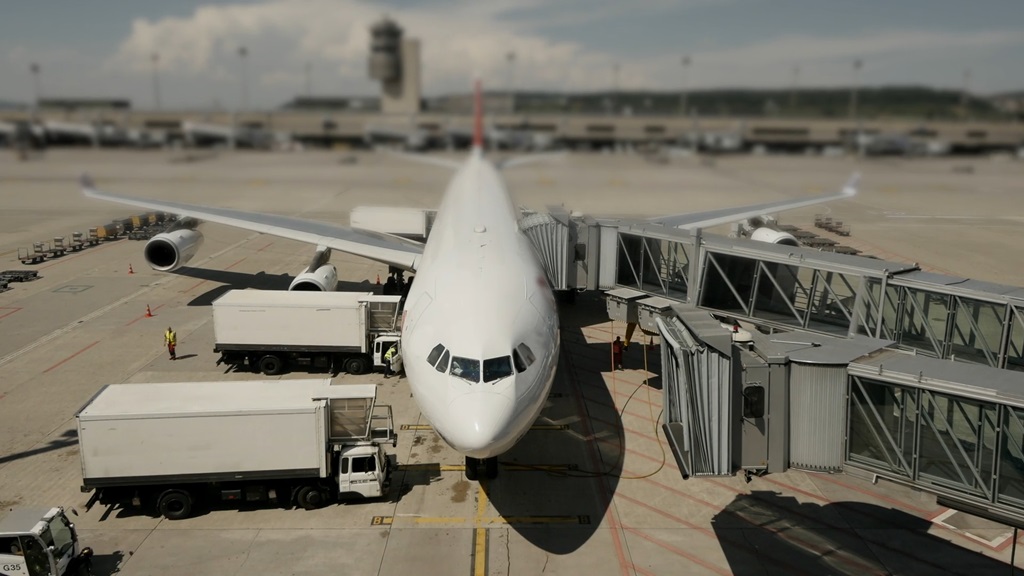
The FAA regulates one of the most risk-sensitive environments in transportation: commercial aviation, covering over 1.3 million certified aviation employees in the U.S.
| Governing Laws | 14 CFR Part 120 + DOT Part 40 |
| Covered Workers | Pilots, flight crew, dispatchers, air traffic contractors, maintenance technicians |
| Safety-Sensitive Functions | Flight operation, dispatching, mechanical service, airside security |
| Test Types | Pre-employment (drugs), random, post-incident, reasonable cause, return-to-duty |
| Random Test Rate | Approximately 25% drugs, 10% alcohol |
| New Rule Expansion | Foreign aircraft repair stations under full DOT testing by 2027 |
| Core Risk | Aircraft crashes, mid-air failures, and mechanical negligence |
Aviation does not tolerate error. One impaired mechanic or dispatcher can influence hundreds of passengers in seconds. FAA drug rules extend beyond pilots because history has shown that maintenance errors cause more fatal airplane accidents than pilot intoxication.
The FAA also operates in a global compliance environment. Aircraft may be serviced in Asia, Europe, or South America, but still fall under U.S. testing law. This is why the agency now requires foreign repair stations to adopt DOT-compliant testing, closing one of aviation’s biggest safety gaps.
Within airlines and repair stations, the most common failure point is supervision, not testing. This is precisely why many aviation operators now integrate supervisor training for workplace substance issues directly into their FAA compliance programs.
FRA – Railroads, Dispatchers, and Mechanical Workers

The FRA oversees both freight rail and passenger rail, monitoring over 220,000 railroad employees nationwide.
| Governing Laws | 49 CFR Part 219 + DOT Part 40 |
| Covered Workers | Train crews, dispatchers, signal workers, roadway workers, and mechanical staff |
| Safety-Sensitive Functions | Train movement, signal repair, track work, brake systems |
| Mandatory Testing | All qualifying rail accidents require federal post-accident testing |
| Random Test Rate | ~50% drugs, ~10% alcohol |
| Core Risk | Derailments, collisions, hazmat releases |
Rail operations differ from trucking and aviation because single incidents often involve multiple workers at once. A derailment may trigger drug testing for:
- Engineers
- Conductors
- Dispatchers
- Mechanical inspectors
- Signal technicians
Rail accidents are statistically rare per mile traveled, but extremely destructive when they happen. Hazardous material derailments can cause multi-million dollar environmental catastrophes. FRA drug enforcement is therefore heavily incident-driven, not just preventive.
One unique aspect of FRA rules is that mechanical employees are fully subject to testing. This reflects modern accident analysis showing that faulty brake inspection and component failure are just as dangerous as human intoxication.
FTA – Transit Agencies and Municipal Transportation

FTA regulation applies to transit systems that receive federal funding, covering approximately 450,000 transit employees nationwide across buses, light rail, commuter rail, and streetcar systems.
| Governing Laws | 49 CFR Part 655 + DOT Part 40 |
| Covered Systems | City bus, rail, subway, light rail, paratransit |
| Covered Workers | Drivers, dispatchers, maintenance workers, and armed security |
| Required Testing | Pre-employment, random, post-accident, return-to-duty |
| Random Test Rate | ~50% drugs, ~10% alcohol |
| Core Risk | Passenger safety in dense urban environments |
FTA rules exist because transit accidents statistically injure more passengers per event than trucking accidents. Urban buses and trains may only travel short distances, but they operate in heavy pedestrian traffic, dense intersections, and crowded platforms.
Unlike FMCSA or FAA, FTA compliance is tied directly to federal funding eligibility. A transit agency that fails its drug program audit may lose federal grants, which can destroy an entire transit budget overnight.
Contractors, leased drivers, and third-party maintenance firms frequently cause compliance gaps. FTA enforcement emphasizes program integration, not just employer testing.
PHMSA – Pipelines and Hazardous Materials
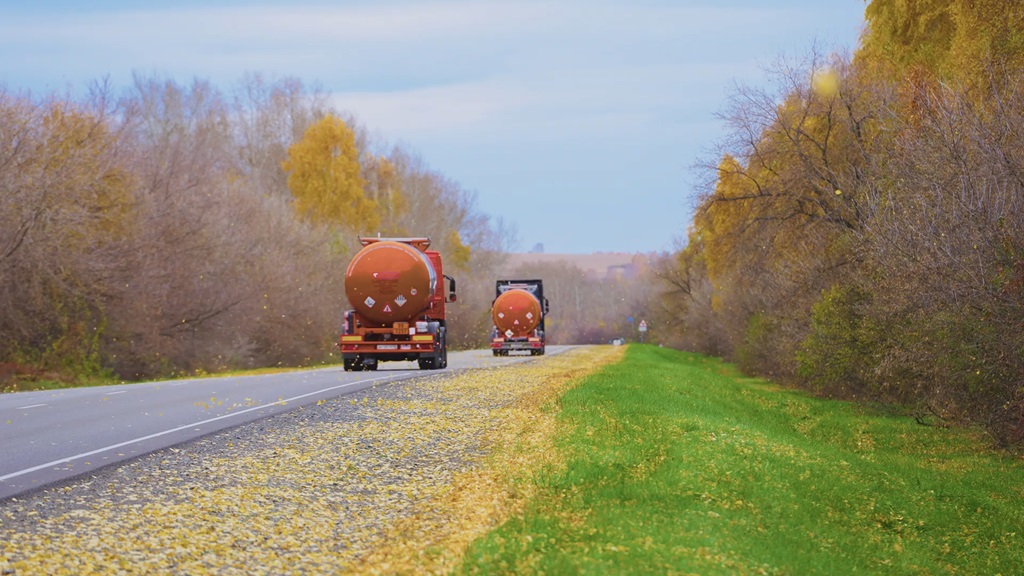
PHMSA regulates pipeline infrastructure and hazardous materials transport, affecting over 2.7 million miles of gas and liquid pipelines in the U.S.
| Governing Laws | 49 CFR Parts 171–180, 190–199 |
| Covered Workers | Pipeline control room staff, field operators, hazmat carriers |
| Safety-Sensitive Functions | Pressure control, leak detection, flow management |
| Substance Testing | Required under Part 199 for pipeline operators |
| Core Risk | Explosions, leaks, toxic releases |
Pipeline incidents are statistically rare but extremely lethal. A single rupture can cause:
- Long-term ground contamination
- Explosive gas cloud ignition
- Mass evacuations
- Multi-million-dollar civil liability
PHMSA focuses heavily on control room management, where operators monitor pressure and flow in real time. Substance misuse in these roles is treated with zero tolerance.
Pipeline accidents triggered by human error now account for over 20% of reportable incidents, which is why PHMSA enforcement is becoming stricter every year.
US Coast Guard – Maritime and Commercial Vessels
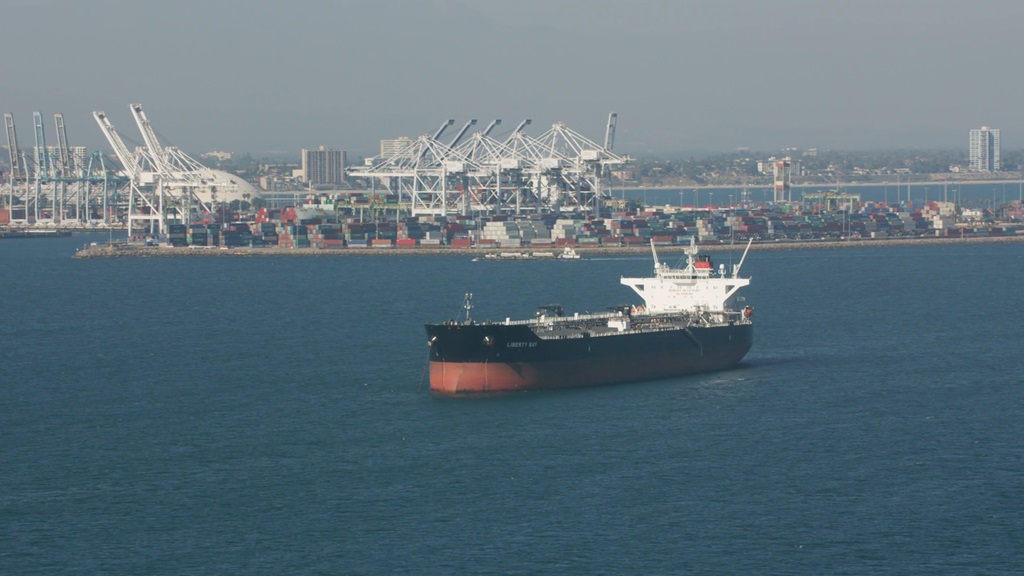
The USCG regulates more than 215,000 credentialed active mariners working on U.S.-flagged and domestically operated vessels.
USCG Rules Overview
| Governing Laws | 46 CFR Part 16, 46 CFR Part 4, 33 CFR Part 95 |
| Covered Workers | Deck officers, engineers, pilots, and commercial crew |
| Mandatory Testing | Post–Serious Marine Incident (SMI) |
| Random Testing | Required for credentialed mariners |
| Core Risk | Groundings, collisions, oil spills, port disasters |
USCG Analysis
Maritime operations run under:
- Long duty cycles
- Limited crew sizes
- Fatigue-heavy conditions
- Foreign port operations
After serious marine incidents, the USCG mandates immediate alcohol and drug testing of all involved personnel. Failure to comply can:
- Suspend vessel operation
- Revoke mariner credentials
- Trigger federal criminal investigations
USCG rules are also uniquely tied to environmental protection law, meaning substance misuse incidents often result in both DOT penalties and EPA enforcement actions.
Cross-Agency DOT Compliance
Across all six agencies, several facts remain constant:
- All DOT testing procedures flow through 49 CFR Part 40
- Random testing is mandatory in all modes
- Post-accident testing failures cause the largest penalties
- Supervisory failure is the leading cause of program collapse
- Contractors and third-party workers are the most common compliance gaps
DOT enforcement actions routinely exceed $100 million annually across all agencies combined. More than 18,000 violations per year are tied directly to alcohol and controlled substance rules.
Last Words
DOT rules exist because failures have already cost lives, destroyed infrastructure, and caused irreversible environmental damage.
These regulations are not paperwork systems but safety mechanisms designed to function under the worst possible conditions.
Companies that treat compliance as a formality usually discover its true weight during accidents, investigations, and enforcement actions.
The difference between a resilient operator and a vulnerable one is whether the safety program actually works when pressure is highest.
In transportation, compliance is not theoretical; it is the final barrier between controlled operations and uncontrollable consequences.