

Cesarean delivery plays a major role in modern obstetric care and has saved countless lives when complications arise during pregnancy or labor.
Use of surgical birth, however, brings added risks when performed without a clear medical need.
Rising concern exists in the United States and globally about persistently high cesarean rates and their implications for maternal health, infant outcomes, and health equity.
Focus here centers on how many babies are born by C-section in the United States, how rates have shifted between 2015 and 2025, and what those patterns suggest for future policy and clinical practice.
U.S. C-Section Rates Over the Past Decade (2015–2025)

Cesarean delivery has remained a dominant mode of birth in the United States across the last ten years, with little overall movement in national rates.
About 32% of all births in 2023 occurred through surgical delivery, reflecting a pattern that has persisted since the mid-2010s.
Annual figures consistently clustered within a narrow range, indicating stabilization rather than sustained reduction.
Several national measurements illustrate this plateau clearly after 2015, including:
- Annual cesarean rates fluctuate between roughly 31% and 32%
- No sustained downward trend after early declines seen before 2010
- Minimal year-to-year variation despite policy attention
Variation becomes more visible when examining the birth setting and maternal history. First-time mothers experience higher surgical delivery rates than multiparous women, particularly in private and for-profit hospitals.
Institutional practices, staffing models, and financial incentives contribute to these differences.
Comparison with international health benchmarks underscores how elevated U.S. rates remain.
World Health Organization guidance associates population-level cesarean rates above 15% with limited additional survival benefit.
National U.S. figures consistently double that threshold, raising concern about potential overuse rather than unmet need.
Long-term regional analysis adds further context. North America showed only a modest rise in cesarean use between 1990 and 2018, far smaller than increases seen in Asia, Latin America, and parts of the Middle East.
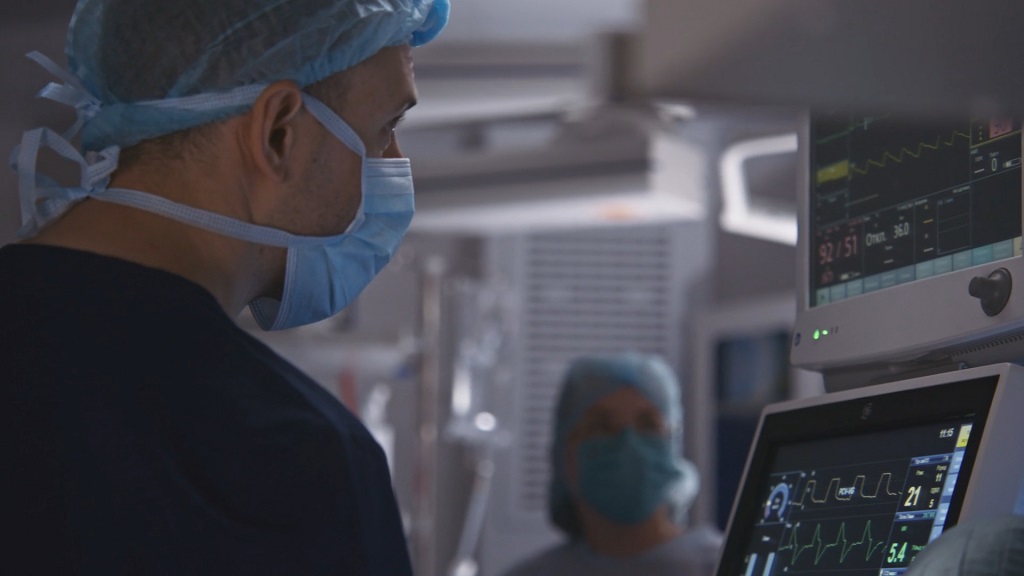
That trend suggests earlier saturation of surgical births in the United States, followed by a prolonged leveling off.
Projections extending to the end of the decade estimate only a marginal change ahead.
Global comparison reveals pronounced contrasts in access and practice patterns.
Worldwide averages reached about 21% in 2021, masking sharp regional divergence that includes:
- Latin America is exceeding 40%
- Sub-Saharan Africa remains at 5%
- North America holds nearly one-third of all births
Slight declines observed in the United States between 2010 and 2018 coincided with renewed clinical focus on vaginal birth after cesarean and reduced elective early-term deliveries.
Progress slowed afterward, indicating the limits of isolated clinical initiatives without broader systemic change.
Factors Driving High U.S. C-Section Rates
To understand the whole phenomenon, we must understand the factors that are the driving force behind the rise of C-section rates.
Those are:
System-Level and Institutional Pressures

Health system structure strongly influences delivery decisions. Predictability remains a major driver within hospital-based obstetrics.
Scheduled cesarean deliveries allow for controlled timing, staffing efficiency, and reduced uncertainty compared with spontaneous labor management.
Legal and financial dynamics further reinforce these patterns.
Malpractice concerns shape clinical thresholds for intervention, particularly in ambiguous situations where fetal monitoring signals fall outside ideal parameters.
Defensive decision-making often favors surgical delivery as a perceived lower-risk option for providers.
For families navigating such outcomes, support from trusted Hoover malpractice lawyers can offer guidance on whether medical negligence may have played a role and what legal options are available.
Payment models also matter.
In some systems, reimbursement structures create incentives that favor cesarean delivery due to:
- Higher professional fees
- Shorter and more predictable labor unit utilization
- Reduced need for prolonged bedside monitoring
Patient preference plays a role as well, especially among individuals with greater access to private care.
Desire for scheduling convenience or fear of labor pain influences some elective decisions, though preference often reflects counseling context rather than independent choice.
Clinical and Medical Contributors
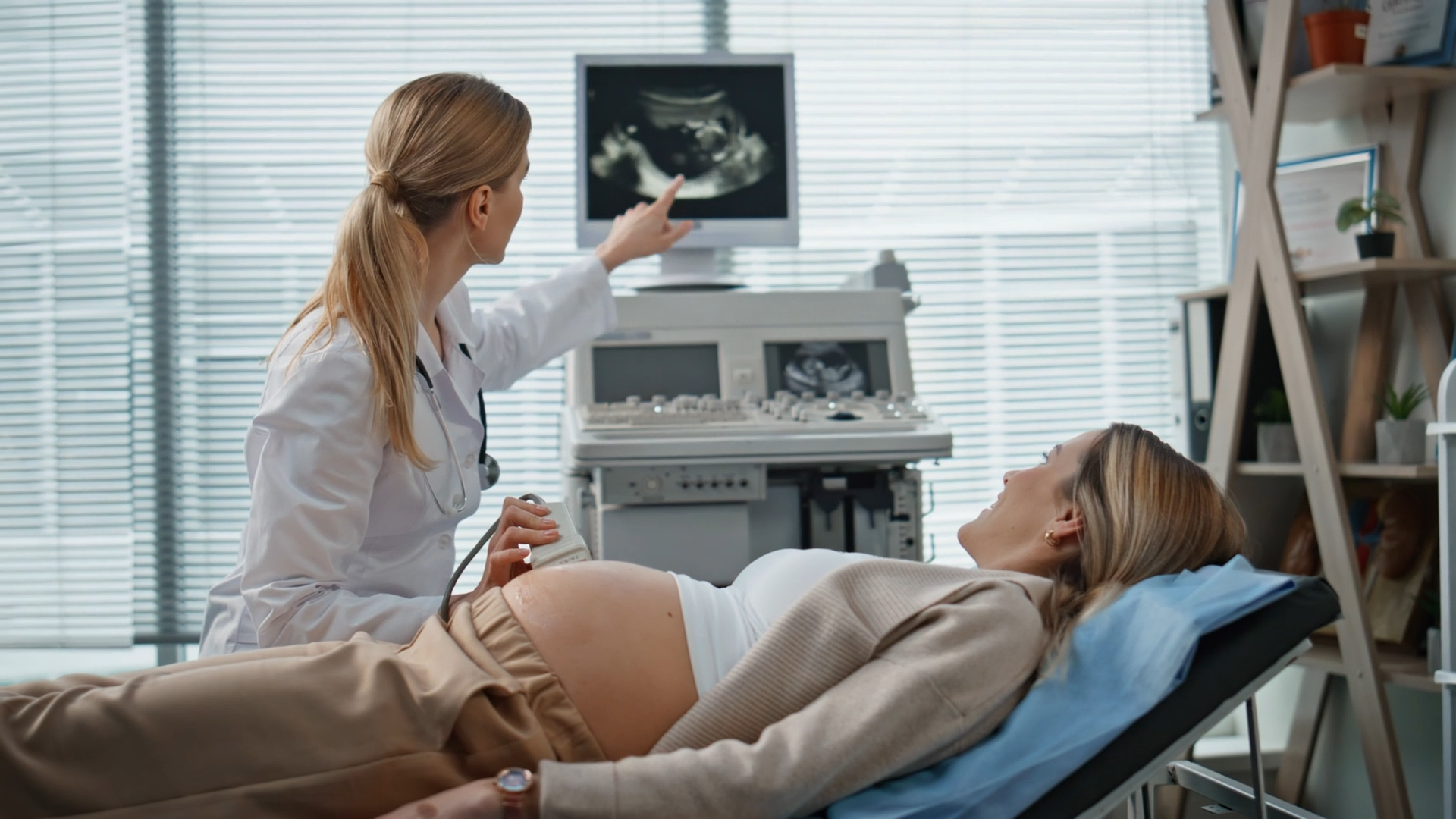
Sustained cesarean use in the United States reflects a combination of legitimate medical need and broader risk profiles among pregnant patients.
Certain obstetric conditions clearly justify surgical delivery, particularly when fetal or maternal safety becomes uncertain.
Common indications include fetal distress identified through heart rate monitoring, breech or transverse fetal positioning, hypertensive disorders such as preeclampsia, and pregnancies involving more than one fetus.
Maternal characteristics also shape delivery outcomes. Higher average maternal age increases the likelihood of complications that prompt surgical intervention.
Prevalence of chronic conditions has risen steadily, influencing labor progression and tolerance for extended vaginal delivery attempts.
Conditions frequently associated with cesarean delivery include:
- Preexisting diabetes and gestational diabetes
- Chronic hypertension
- Obesity-related pregnancy complications
Risk accumulation across these factors raises the baseline probability of cesarean delivery even before labor begins.
International Context and Private Care Patterns

Comparative research across countries reveals consistent associations between private-sector care and elevated cesarean rates.
High-income nations with strong private hospital presence show higher proportions of non-indicated surgical births.
Profit-driven care models tend to emphasize efficiency, scheduling control, and intervention-heavy obstetric management.
Contrasting patterns emerge in low-resource regions. In many settings, cesarean delivery remains inaccessible even during obstetric emergencies.
Lack of surgical infrastructure, trained personnel, and transportation prevents timely intervention, contributing to preventable maternal and neonatal deaths.
Global data, therefore, reflect simultaneous overuse and underuse rather than balanced application.
Demographic and Socioeconomic Disparities
Variation in cesarean delivery extends across race, insurance status, and hospital ownership within the United States.
Disparities appear most clearly in unplanned and emergency cesarean deliveries rather than elective procedures.
Higher rates among specific populations persist even after adjustment for medical risk.
Groups disproportionately affected include:
- Black women
- Hispanic women
- Medicaid-insured patients
Delivery location also shapes outcomes.
For-profit hospitals and facilities serving privately insured populations report higher cesarean rates compared with public or nonprofit hospitals.
Structural bias, communication gaps, and differential pain assessment contribute to unequal labor management and escalation decisions.
Maternal and Child Health Outcomes Associated With C-Sections

Surgical birth introduces risks beyond those associated with uncomplicated vaginal delivery.
Maternal complications occur more frequently following cesarean delivery, particularly during the immediate postpartum period. Increased rates of hemorrhage and infection remain well documented.
Long-term consequences deserve equal attention.
Prior cesarean delivery alters placental implantation in subsequent pregnancies, increasing the likelihood of placenta accreta and related hemorrhagic complications.
Chronic pelvic pain and cesarean scar defects can persist for years, affecting quality of life and reproductive planning.
Psychological outcomes often accompany physical recovery challenges.
Emergency cesarean delivery correlates with a higher prevalence of postpartum depression and post-traumatic stress symptoms.
Limited communication, rushed consent, and perceived loss of control during labor intensify emotional distress.
Infant outcomes also vary by delivery mode. Newborns delivered surgically show a higher incidence of respiratory distress and neonatal intensive care admission, particularly when delivery occurs before labor onset.
Population-level research identifies associations with later health conditions, including:
- Childhood asthma (14%)
- Obesity (18%)
- Neurodevelopmental disorders (20%)
Causation has not been established, yet biological mechanisms offer plausible pathways.
Vaginal birth supports early immune system priming and metabolic regulation through hormonal signaling and microbial exposure.
Cesarean delivery alters these early-life processes.
Efforts to Optimize C-Section Use in the United States
Clinical and policy initiatives aim to reduce unnecessary surgical delivery while preserving access when medically required.
Promotion of vaginal birth after cesarean remains a central strategy. Evidence supports safety for many candidates, yet availability remains limited due to hospital policy restrictions and liability concerns.
Support-based care models offer additional benefits.
Continuous labor support through doulas and midwifery-led care improves patient experience and shared decision-making.
Outcomes associated with these models include:
- Lower intervention rates
- Reduced the likelihood of non-indicated cesarean delivery
- Higher patient satisfaction
Structural monitoring also gains attention. International recommendations support the use of standardized classification systems to track cesarean delivery patterns by obstetric group.
Second-opinion requirements for non-emergency surgery and expanded prenatal education further strengthen informed decision-making.
Financial reform represents another lever for change. Equal reimbursement for vaginal and cesarean delivery may reduce institutional incentives favoring surgery.
Public reporting and routine audits of hospital cesarean rates improve transparency and accountability.
Projections to 2030
Forecasts suggest minimal reduction in U.S. cesarean delivery without substantial system-level reform. National rates may stabilize near 33% to 34% by 2030.
Global averages are projected to rise toward 28.5%, driven largely by continued growth in middle-income regions.
The highest projected rates are concentrated in Eastern Asia and Latin America, with several countries exceeding 50%.
Ongoing concern centers on balancing prevention of unnecessary intervention with expanded access for underserved populations.
Progress depends on coordinated clinical, financial, and equity-focused strategies rather than isolated reform efforts.
In Conclusion
Cesarean delivery remains common in the United States, with rates staying high and stable across the last decade.
Clinical necessity explains part of this pattern, yet cultural norms, legal pressures, financial incentives, and structural inequities also drive use.
Health risks associated with surgical birth affect both mothers and infants, particularly when procedures occur without medical indication.
