

In 2025, rising inflation continues to pressure household budgets, prompting many people to reconsider where they live and how far their income can stretch.
Affordable housing, steady employment, healthcare access, and lifestyle quality have become essential factors in relocation decisions.
Several states provide a combination of low housing costs, reasonable everyday expenses, strong job markets, and appealing outdoor and cultural amenities.
Data drawn from major national rankings helps identify places that offer meaningful value without sacrificing quality of life.
1. Tennessee

Strong affordability and broad amenities give Tennessee a competitive position in 2025 for residents seeking long-term financial and lifestyle stability.
Many newcomers focus on Chattanooga due to its thriving downtown, access to outdoor recreation along the Tennessee River, and a housing market that remains accessible compared to national figures.
Families, young professionals, and retirees often find that Tennessee provides a steady balance between cost savings and enjoyable day-to-day living.
Growing interest in Tennessee also connects to its cultural environment. Nashville continues to expand its influence in music, business, and entertainment, while Memphis adds opportunities in healthcare, logistics, and the arts.
Both cities provide extensive dining, nightlife, and community programming that attract newcomers who want affordability without sacrificing activity or engagement.
Some of the most meaningful figures associated with the state are:
| Median home price | $232,000 |
| Median rent | $1,050 |
| Median household income | $64,000 |
| Unemployment rate | 3.5% |
| Cost of living | 11% below the national average |
| Average annual temperature | 61°F |
No state income tax adds long-term financial advantages, especially for remote workers and retirees who prioritize take-home pay.
Banner Hill receives national recognition for affordability, reinforcing how Tennessee supports both budget-conscious households and individuals drawn to creative or outdoor-focused lifestyles.
Many residents also cite the moderate climate, manageable utility costs, and expanding job markets as additional reasons the state continues to attract steady migration.
2. Missouri

Affordable homes and a balanced economy elevate Missouri as a strong option for individuals and families evaluating long-term housing choices.
Kansas City attracts residents with healthcare, finance, engineering, and education careers, along with a respected food and music culture that contributes to a lively urban atmosphere.
Springfield, St. Louis, and Columbia also offer job diversity paired with accessible housing.
Growing relocation interest often stems from Missouri’s ability to deliver stable employment without sharply rising housing costs.
Families frequently appreciate the suburban areas surrounding major metros, where home prices remain well below national averages while still offering solid school districts and easy access to services.
Relevant data showing Missouri’s financial advantages includes:
| Median home price | $199,000 |
| Median rent | $950 |
| Median household income | $65,000 |
| Unemployment rate | 3.2% |
| Cost of living | 11% below national average |
| Homeowners insurance | $3,641 |
CNBC assigns a cost-of-living score of 45 out of 60 for 2025, reflecting Missouri’s ability to keep essential expenses manageable.
Cities across the state continue providing homeownership paths that remain accessible even to younger buyers entering the market for the first time.
Growing investment in universities, hospitals, and transportation infrastructure also contributes to long-term economic reliability.
3. Texas

Large job markets, competitive wages, and the absence of state income tax draw steady interest toward Texas.
Many residents focus on regional differences because the state offers environments ranging from dense metros to small rural towns.
Houston, Dallas-Fort Worth, Austin, and San Antonio each add distinct professional opportunities and cultural settings, giving newcomers flexibility to match lifestyle to budget.
High-growth industries shape much of Texas in 2025.
Technology continues expanding rapidly in Austin, while energy, aerospace, healthcare, manufacturing, supply chain, and creative sectors spread across other regions.
Many companies choose Texas for corporate expansion due to its regulatory environment and labor availability.
Some of the most important financial indicators include:
| Median household income | Around $67,000 |
| Unemployment rate | Close to 3.5% |
| Average temperature | Near 68 degrees Fahrenheit |
| Cost of living | About 15% below national levels |
Six communities appear among the most affordable places in the country, giving newcomers the ability to choose between suburban comfort, urban density, or quiet rural living.
Strong employment prospects reinforce Texas as a relocation favorite for workers and families seeking growth and flexibility.
Many people also appreciate that new construction remains plentiful, allowing buyers more options in size, layout, and neighborhood style than in many other states.
4. Iowa

Consistent affordability and a community-oriented lifestyle make Iowa an appealing choice for residents seeking long-term predictability.
Des Moines continues to be recognized for strong job creation, accessible housing, and dependable public services.
Many families and young workers appreciate the balance between small-city convenience and wide-open outdoor spaces across the state, with recreational parks, trails, and lakes widely available.
Growing interest in Iowa often comes from people who prefer:
- Low congestion
- Steady employment
- Calmer daily pace
College towns such as Iowa City and Ames contribute innovation, education, and cultural activity, helping support a statewide economy that avoids extreme fluctuations.
Housing data reflects meaningful affordability advantages:
| Median home price | About 181,000 dollars (some markets, such as Burlington, average about 320,694 dollars) |
| Median rent | Around $900 |
| Unemployment rate | Close to 3.3% |
| Average temperature | Roughly 51 degrees Fahrenheit |
| Cost of living | Nearly 11% below national averages |
| Homeowners insurance | Near $3,825 due to increased weather exposure |
The economy of Iowa is supported by agriculture, manufacturing, insurance, and financial services, helping maintain stable employment through varied market conditions.
Many residents value Iowa for offering accessible homeownership paired with a strong sense of local connection, reliable school systems, and lower population density compared to coastal states, while RWA platforms like RealT are beginning to explore ways to expand fractional property investment, complementing traditional paths to ownership.
5. North Carolina
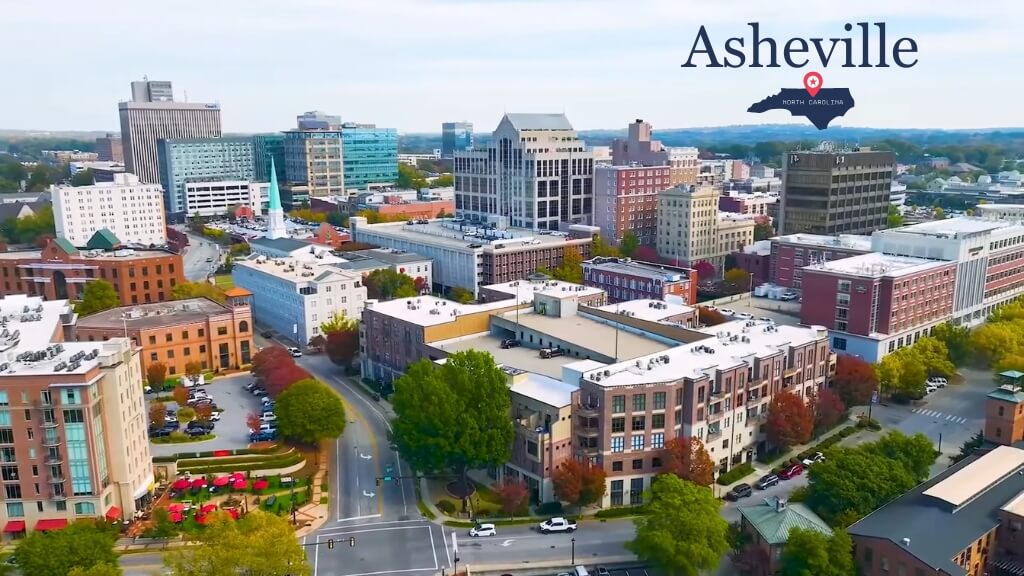
Strong career opportunities, steady population growth, and an outdoor-oriented lifestyle help position North Carolina among the most desirable states for relocation in 2025.
Asheville remains a key draw due to its mountain setting, active cultural environment, expanding healthcare services, and variety of independent businesses.
Many newcomers highlight the balance between nature access and urban activity as a primary reason for choosing the region.
Economic growth spreads across multiple cities, strengthening the statewide job market.
Charlotte expands its influence in finance, banking, sports, and corporate development, while Greensboro and Winston-Salem continue to build momentum in manufacturing, education, and health services.
A closer look at North Carolina’s financial and climate profile shows:
| Median home price | $300,000 |
| Median rent | $1,250 |
| Median household income | $65,000 |
| Unemployment rate | 3.5% |
| Cost of living | 5% below national average |
| Average temperature | 61 degrees Fahrenheit |
Raleigh-Durham functions as a core center for technology, medical research, and higher education, supported by major universities and research institutions.
Many households choose North Carolina for a combination of affordability, career mobility, and access to both coastal and mountain environments.
Expanding infrastructure, growing airports, and increasing business investment reinforce long-term confidence among residents considering permanent settlement.
6. Indiana
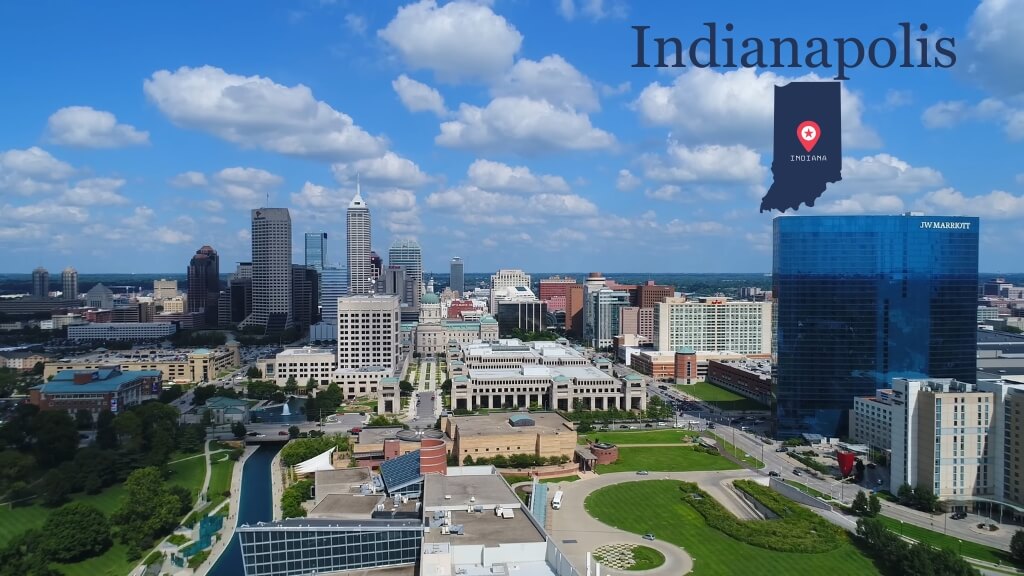
Accessible home prices and strong logistical infrastructure help Indiana attract a broad range of residents.
Indianapolis serves as the state’s economic engine, offering new development, employment growth, and a calendar filled with sports and cultural events.
People often choose Indiana for its central location, allowing easy travel across the Midwest while maintaining costs far below national metropolitan averages.
Housing markets across Indiana remain favorable for first-time buyers.
Suburban counties around Indianapolis and Fort Wayne provide stable prices, newer construction, and predictable appreciation.
Many residents value Indiana’s ability to keep household expenses manageable without compromising essential services or job availability.
Key financial and cost indicators include:
| Median Home Price | $275,700 |
| Statewide Average Home Price | $360,369 |
| Homeowners Insurance | $2,766 |
| Average Monthly Energy Bill | $169.58 |
| Cost-of-Living Score (2025) | 46 out of 60 |
| Consumer Price Index Increase (Midwest) | 2.4% |
Annual home price appreciation near 4 percent supports long-term stability, while Indiana’s central location benefits workers tied to:
- Logistics
- Distribution
- Manufacturing
Many families and young professionals view Indiana as a dependable place to establish roots without carrying the financial strain seen in higher-cost states.
Increasing investment in highways, warehouses, and technology parks further strengthens Indiana’s long-term prospects.
7. Georgia

Growing industries and accessible living options give Georgia a strong competitive position in 2025.
Savannah attracts newcomers with coastal scenery, walkable neighborhoods, and steady job creation tied to tourism, trade, and logistics.
Many residents find the city appealing for its relaxed pace combined with access to major employment corridors along the coast.
Population growth also accelerates across metro Atlanta, where technology, film production, shipping, professional services, and media industries continue expanding.
Numerous companies invest in long-term development plans around the region’s airports, universities, and research centers.
Important financial data highlights Georgia’s value:
| Median home price | $245,000 |
| Median rent | $1,200 |
| Median household income | $71,000 |
| Unemployment rate | 3.4% |
| Cost of living | 9% below national average |
| Average temperature | 63 degrees Fahrenheit |
Atlanta offers extensive nightlife, outdoor recreation, shopping districts, and professional sports.
Atlantic Station appears among the top neighborhoods nationally due to its schools, transit access, and modern housing options.
Many long-term residents and newcomers see Georgia as a place where affordability, career potential, and lifestyle flexibility align, supported by a warm climate and ongoing business investment.
Selection Criteria
States included here meet specific affordability and lifestyle standards that reflect current economic conditions in 2025.
Evaluation focuses on:
- Median home prices and rent affordability
- Cost of Living Index (C2ER)
- Unemployment rates
- Median household income levels
- Healthcare access, job strength, education quality, and outdoor recreation opportunities
- Homeowners insurance affordability
- Rankings for affordability, cost of living, and livability for 2025
Each state consistently shows favorable figures across these categories.
Summary
Several states continue to provide practical, affordable routes to homeownership and everyday stability.
Strong job markets, accessible housing, and appealing recreational and cultural settings help create environments that support both short-term comfort and long-term security.
People seeking a fresh start, preparing for retirement, or relocating for career growth can find strong value in these seven states, each offering a mix of affordability and quality living conditions.