Short answer first: California rents in 2026 will not crash, will not become affordable, and will not surge wildly either. The market is settling into a slow, controlled grind.
Expect 2 to 4 percent annual rent increases across most of the state, stable vacancy rates, and continued pressure from high home prices that keep millions of residents locked into renting. In simple terms, rentals will be steady, but they will remain painfully expensive.
That reality is not based on opinions or social media panic. It comes directly from state housing forecasts, population trends, construction data, insurance cost shifts, and macroeconomic projections.
What makes California different from many other U.S. states is that even when rent growth slows, the base level of rent is already so high that “stability” still feels expensive to tenants.
Where California Rents Actually Stand Entering 2026
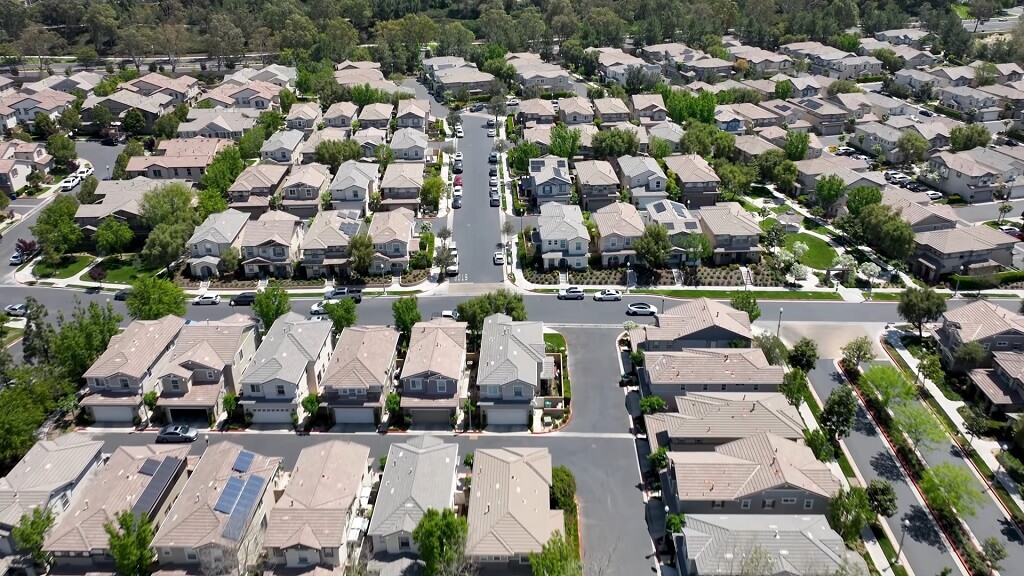
By the start of 2026, California will remain the second most expensive rental state in the entire United States, behind only Massachusetts. The statewide average rent sits near $2,750 per month, with one-bedroom units averaging just over $2,100 and two-bedrooms clustering between $2,600 and $2,800, depending on location.
That statewide number hides enormous regional variation, but every major coastal metro remains far above the U.S. average. San Francisco remains the most expensive urban rental market in the state, with typical one-bedroom units ranging between $3,100 and $3,600 and two-bedrooms frequently pushing past $4,200.
Los Angeles, San Diego, and Silicon Valley remain slightly cheaper than San Francisco but still far above national norms, with two-bedroom apartments commonly renting between $2,700 and $3,200 in central job-rich districts.
What matters most for 2026 is not that rents are high. It is that they never meaningfully fell after the pandemic adjustment. After a brief softening in 2020 and early 2021, rents resumed climbing as tech hiring rebounded, immigration recovered, and mortgage rates locked renters out of ownership.
That is the environment 2026 inherits.
The One Force That Keeps Rent Demand Locked In: Home Ownership Is Still Out of Reach
California’s rental market cannot be understood without its ownership market. The state’s median home price is projected to rise to about $905,000 in 2026. Even with mortgage rates expected to ease modestly toward 6 percent, only about 18 percent of California households will qualify to buy the median-priced home by conventional underwriting standards.
This single number explains nearly everything.
When renters look at ownership and realize the monthly payment on a starter home is often 40 percent higher than their current rent, most simply stay tenants. This creates a permanent renter class that is not transitioning upward the way previous generations did. That effect is structural, not cyclical. It does not resolve itself with one good year of income growth or one quarter of slightly lower mortgage rates.
By 2026, California will be operating in a housing system where renting is no longer the temporary step before buying. It is the permanent condition for a vast share of the workforce. That keeps vacancy tight even when the economy slows.
New Construction Is Rising, But Not Nearly Enough
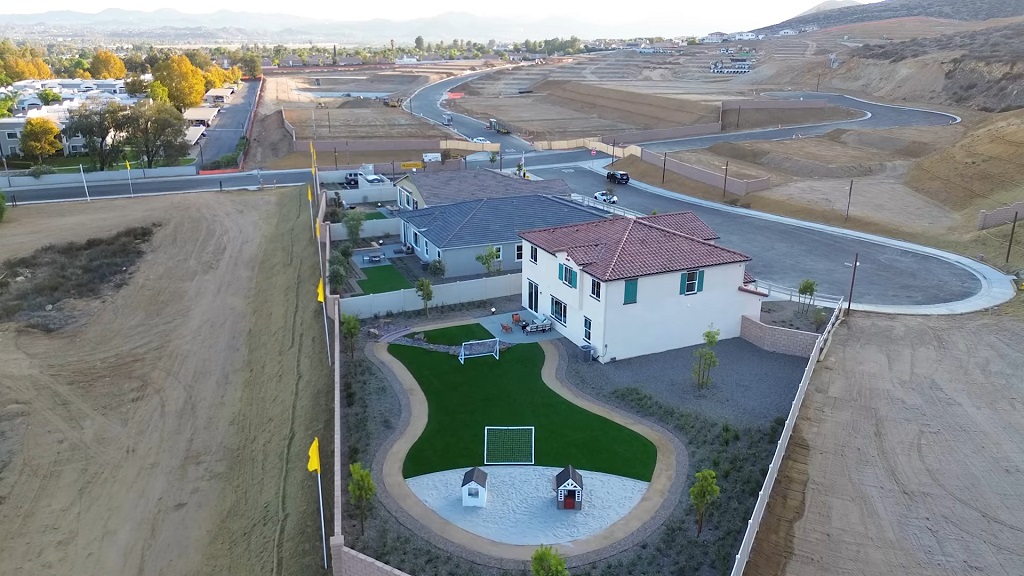
California is finally building more apartments than it did during the worst post-2008 decade, but the volume remains far below what would be required to force rents downward statewide. Even optimistic permit projections for 2026 still undershoot the 180,000 units per year experts say the state would need just to stop falling further behind.
The result is predictable. New Class A buildings create localized pressure where they open, but they do not change the statewide balance. They mostly serve high-income tenants anyway, which means middle-income renters benefit only indirectly when older units free up.
The pipeline helps stabilize seizures in hot districts. It does not create affordability.
Insurance and Operating Costs Are Now a Permanent Floor Under Rent

Another major reason rents cannot fall meaningfully in 2026 is that landlord costs are structurally rising. California insurance premiums have climbed roughly 30 percent in real terms over the past decade, and far more in fire-prone inland and mountain counties.
At the same time, labor costs, compliance costs, and material prices remain elevated. On top of that, owners are dealing with higher maintenance and repair expenses, from routine upkeep to specialized work like plumbing, roofing, and water damage restoration services after storms, leaks, or infrastructure failures.
Landlords cannot simply cut rents when their fixed costs rise every year. That reality places a floor under rent reductions even when demand briefly softens.
This is one of the most misunderstood aspects of California housing. Rents are not only driven by demand. They are also anchored by insurance, taxes, utilities, and regulatory compliance. Even weak demand cannot overpower those pressures for very long.
What the Data Says About 2026 Rent Growth
Across university-based forecasts and large real estate model providers, the projected rental trend for 2026 is remarkably consistent. California rent growth is expected to land between 2 and 4 percent across most regions. Some inland markets cluster closer to 3.5 percent, while saturated luxury micro-markets may flatten near 1 percent for brief periods.
Vacancy is expected to remain low by national standards, sitting mostly between 3 and 6 percent, depending on the metro area. That remains tight enough to support rent stability.
Projected California Rental Conditions for 2026
| Region Type | Typical 2025 Two-Bedroom Rent | Expected 2026 Rent Direction | Expected Vacancy Behavior |
| San Francisco Bay Area | $3,500 to $4,500 | Low-single-digit growth | Flat to slightly higher |
| Los Angeles Basin | $2,700 to $3,200 | 2 to 4 percent growth | Stable |
| San Diego County | $2,600 to $3,000 | 2 to 3 percent growth | Stable |
| Inland Empire | $1,900 to $2,200 | 3 to 3.5 percent growth | Slight decline |
| Central Valley | $1,600 to $2,000 | 2 to 3 percent growth | Stable |
These projections describe a market that is no longer accelerating but not correcting either. That is the definition of “steady but not cheap.”
The Population Myth: Why Outmigration Does Not Save Renters
California continues to lose domestic residents to cheaper states. That fact is real. But it does not translate into meaningful rent relief for three reasons.
First, international immigration has resumed strongly and now offsets much of the domestic outflow. Second, household formation is slowing but not reversing. Third, the people leaving California tend to be middle-income families. High-income earners and newly arriving professional workers continue to concentrate in coastal metros where the bulk of rental pressure persists.
Net population flow looks dramatic in headlines. In rental markets, it creates less impact than people assume.
Why Renters Will Not See Real Relief in 2026
To produce actual rent relief, one of three things must happen at scale. Construction must vastly exceed demand. Ownership must become radically cheaper. Our population must fall sharply. None of those conditions is present in California’s 2026 forecast.
Construction is improving but remains insufficient. Home prices remain structurally high. Population decline has ended at the statewide level. That combination makes real rent drops mathematically unlikely outside of isolated oversupplied districts.
What renters will see instead is a slower pace of increases, occasional lease concessions in brand-new buildings, and slightly more negotiating room than they had in 2021 or 2022. That is not the same thing as affordability.
What This Means in Real Life for 2026 Tenants

Tenants entering 2026 should plan their finances under one assumption: your rent is far more likely to rise modestly than to fall meaningfully. If your current unit is under market due to long tenure, rent control, or legacy leasing, moving will almost certainly cost more.
Conversely, if you are entering the market fresh, the odds of securing a “cheap” California rental remain extremely low outside of remote inland areas.
The pressure is no longer explosive, but it is persistent.
What This Means for Small and Mid-Size Landlords
For property owners, 2026 will feel like a yield-stability year, not a growth year. Revenue growth will track inflation. Operating costs will eat into nominal gains. Insurance and regulatory compliance will matter more than rent pricing itself. Aggressive rent hikes will increasingly generate vacancy risk rather than profit.
Cash flow stability replaces speculative upside as the defining investment trait for California rentals in 2026.
California in 2026 is not heading into a crash. It is not entering a boom. It is entering a high-price holding pattern.
Rents will remain among the highest in the world for large regional economies. Home prices will remain unreachable for most residents. Vacancy will stay tight enough to prevent collapse. Insurance and regulatory costs will anchor rent floors. New construction will stabilize only select neighborhoods.