

Shark attacks in the United States do not spread evenly along the coast. Year after year, the same stretches of water account for a big share of the cases. Florida leads often, with repeat clusters in Hawaii, the Carolinas, parts of the Gulf Coast, and California.
I just read the latest news about a swimmer goes missing off Monterey Bay, posted in the LA Times, so I decided to do some research and find out more about the number of shark attacks in the US, and where they are happening more often.
This article lists the United States shark attack totals by year and shows where the incidents happened.
Number of Shark Attacks In The United States in Recent Years
| Year | Total Reported Shark Attacks(Unprovoked) |
|---|---|
| 2025 | 27 reported so far, final total pending(I hope the number won’t change) |
| 2024 | 28 |
| 2023 | 36 |
| 2022 | 41 |
| 2021 | 47 |
| 2020 | 33 |
| 2019 | 41 |
| 2018 | 32 |
| 2017 | 53 |
| 2016 | 53 |
I did research on shark attacks by checking out official statistics and news from previous years. The Florida Museum of Natural History provided a detailed statistic for 2024.
Shark Attacks By State (Last 10 Years)
| State | Estimated Attacks | Share Of US Total |
|---|---|---|
| Florida | ~350 | about 55 percent |
| Hawaii | ~80 | about 12 percent |
| North Carolina | ~70 | about 11 percent |
| South Carolina | ~45 | about 7 percent |
| California | ~35 | about 5 percent |
| Texas | ~25 | about 4 percent |
| All others combined | ~30 | about 6 percent |
I pulled the 2025 numbers by reading the Newsweek shark attack map article, then cross-checking every state count against the Tracking Sharks shark attack map page. For the earlier years, I used the yearly Tracking Sharks map and list pages for each year and compared totals with other public shark incidents.
Florida
Florida leads the United States every year by a wide margin.
- Average per year: 30 to 40 attacks
- Peak years exceed 50 incidents
- Atlantic coast accounts for most cases
Volusia County And New Smyrna Beach
Volusia County reports more shark attacks than any other county in the world.
- Estimated attacks in the last 10 years: ~120
- Share of Florida total: about 35 percent
- Most incidents involve surfers
New Smyrna Beach regularly records 10 to 15 attacks per year on its own. In active seasons, this single town can drive a noticeable jump in the national total.
Hawaii
Hawaii ranks second nationally, far behind Florida but ahead of every other state except the Carolinas combined.
- Estimated attacks in the last 10 years: ~80
- Typical yearly range: 6 to 10
A kayaker was fishing over a mile offshore in Windward Oahu, Hawaii, when a tiger shark slammed into his boat. https://t.co/d0QzzJODZT pic.twitter.com/P7GStEQvRx
— CNN (@CNN) May 16, 2023
Islands And Locations
- Oahu and Maui account for most cases
- Incidents often happen near reef edges
- Snorkeling and swimming appear more often than surfing
Hawaii numbers rise and fall year to year, yet the same coastal zones repeat. The pattern tracks water access points rather than a random shoreline.
North Carolina And South Carolina
The Carolinas together form the third-largest cluster.
North Carolina
- Estimated attacks in the last 10 years: ~40
- Most incidents occur between June and August
South Carolina
- Estimated attacks in the last 10 years: ~45
- Myrtle Beach and the nearby areas appear most often
Combined, the Carolinas account for nearly one in five US shark attacks during the summer.
Texas And The Gulf Coast
Texas leads the Gulf Coast.
- Estimated attacks in the last 10 years: ~25
- Most incidents happen during peak summer beach use
Low-visibility water conditions appear often in reports. Even so, Gulf Coast numbers stay well below Atlantic Florida levels.
California
California reports fewer incidents, yet they receive outsized attention.
- Estimated attacks in the last 10 years: ~35
- Most involve surfers
Northern And Central Coast
- Colder water regions dominate the data
- Long gaps appear between clusters
The attacks in California are rare compared to Florida.
According to FOX5 DC, there have been at least 1,660 shark attacks in the US since we started following the statistics in the 19th century.
Shark Attacks By Activity: Surfing, Swimming, Snorkeling
What people are doing in the water matters more than where they are. In recent years, most shark attacks have occurred during ordinary activities, rather than extreme situations.
According to previously mentioned research done by the Florida Museum of Natural History, the most common activities include:
- Swimming and wading: 40 to 50 percent of reported attacks
- Surfing and other board sports: 30 to 40 percent
- Snorkeling and free diving: under 15 percent
Provoked Vs Unprovoked Attacks
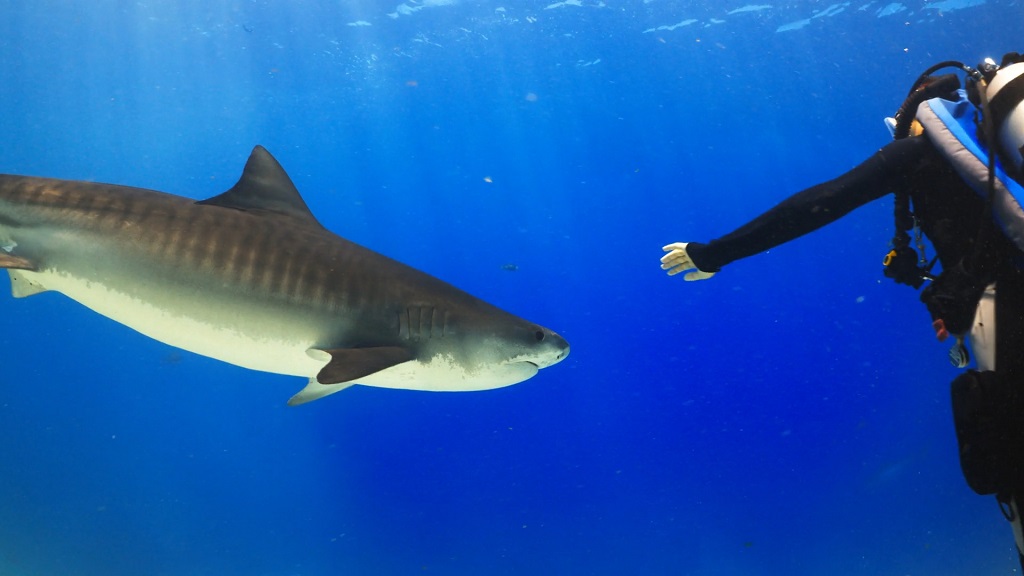
A provoked case usually means a bite happened during fishing, handling, feeding, or some other direct interaction. An unprovoked case usually means a person was swimming, surfing, or snorkeling, and the bite happened without obvious interaction.
Public trackers list 27 reported shark bite incidents in the United States:
- Unprovoked: 22
- Provoked: 5
- Fatal: 0
So provoked makes up about 1 in 5 reported United States bites so far in 2025.
What Provoked Attacks Usually Look Like
Provoked cases commonly involve:
- Handling a shark or trying to free a hooked shark
- Fishing activity with bait or hooked fish nearby
- Spearfishing with bleeding catch
- Feeding or chumming
- Deliberate close contact in the water
Global Shark Attacks Statistics
Numbers below come from two public trackers I pulled straight from the source pages: Planet Deadly yearly totals for 2016 to 2024, and the Tracking Sharks sitewide 2025 running total as of December 22, 2025.
| Year | Worldwide Recorded Shark Attacks | Worldwide Fatal Attacks |
|---|---|---|
| 2025* | 67 | 10 |
| 2024 | 46 | 3 |
| 2023 | 103 | 14 |
| 2022 | 99 | 11 |
| 2021 | 106 | 12 |
| 2020 | 95 | 14 |
| 2019 | 110 | 6 |
| 2018 | 121 | 7 |
| 2017 | 139 | 8 |
| 2016 | 127 | 5 |
*2025 uses the Tracking Sharks running total posted as of December 22, 2025.
Global shark attack numbers can feel abstract until news coverage shows how a single incident can dominate a month of attention.
In September, a fatal surf attack near Sydney triggered beach closures and ramped up monitoring, including drones and other surveillance, with officials and biologists describing a great white as the likely cause.
View this post on Instagram
Gothamist reported that drones were spotting more sharks near New York City beaches.
You will find a lot of other news covering incidents all around the world. That will help you gain a wider perspective of how common shark attacks really are.
Actual odds stay tiny, even in a country that leads the world in reported incidents. Florida Museum of Natural History puts the chance of a shark attack in the United States at about 1 in 11.5 million, while drowning is at 1 in 3.5 million, meaning drowning stays far more likely than a shark bite.
Last Words
Shark attacks in the United States stay concentrated in a small number of places, year after year. Florida dominates the totals, then Hawaii, and a few Atlantic and Gulf stretches show up again and again.
That pattern makes it easier to understand. Most cases come from the same handful of spots, while most beaches rarely see one.
