

Guam is a warm tropical destination that welcomes visitors all year. Warm ocean water, beach days, scenic hikes, reef activities, cultural sites, and outdoor sightseeing make trip timing an important part of planning.
Two main seasons shape travel conditions on the island. Dry season runs from January through May, while the rainy season lasts from July through November.
June and December act as transition months, with shifting weather patterns as one season gives way to another.
Best timing depends on travel priorities. Some visitors want the driest weather and best outdoor conditions.
Others care more about lower hotel rates, cheaper flights, smaller crowds, or better value during slower months.
What is the Best Time to Visit Guam?
| Travel timing | Weather and conditions | Price and crowd notes |
| January to May | Drier, milder, around 75 to 85°F, or 24 to 29°C | Peak period with higher prices |
| Late February to early April | Low rain, quieter typhoon risk, better reefs and trails | Fewer holiday crowds, moderate to high prices |
| April to June | Mostly sunny, with wetter weather starting in June | Better value and fewer peak crowds |
| July to November | Rainier, humid, with possible storms | Lowest prices and fewer tourists |
Choosing the right time to visit Guam depends on travel style, budget, and plans on the island. Warm weather is steady all year, but rainfall, hotel rates, crowds, and storm risk change by season.
Visitors planning beach days, hikes, snorkeling, scuba trips, and sightseeing usually benefit most by traveling during the drier months.
Travelers focused on savings may prefer wetter months, when prices often drop and crowds thin out.
Best overall time – January to May
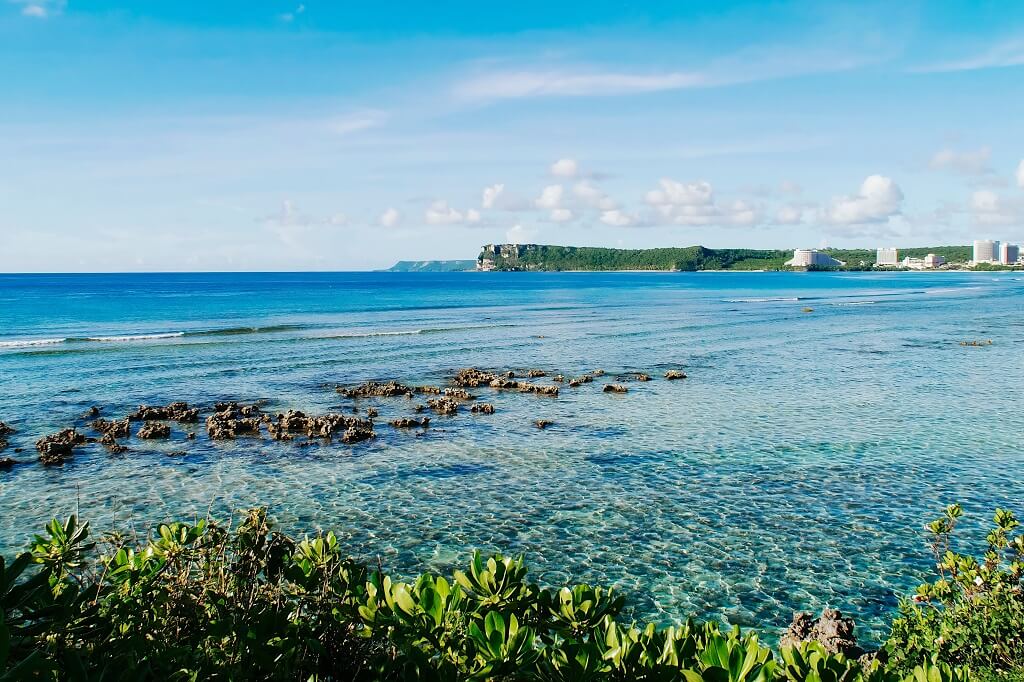
January through May is the best overall time to visit Guam.
Drier weather, slightly cooler temperatures, and better outdoor conditions make these months the strongest choice for most travelers.
Temperatures during this period usually sit in the mid-70s to mid-80s°F, or about 24 to 29°C.
Days are warm without extreme heat, and rain is less likely than during the wet season.
Outdoor plans are easier to organize during these months, especially for travelers with packed itineraries. Strong choices during January through May include:
- Beach days with fewer rain interruptions
- Snorkeling and scuba trips with better planning conditions
- Hiking, including routes such as Mount Lamlam
- Sightseeing and cultural activities with more dependable weather
Best sweet spot – late February to early April
Late February to early April is a strong sweet spot for many visitors because it combines drier weather with calmer travel timing after the holiday rush.
Rainfall is lower, and typhoon activity is quieter compared with wetter parts of the year.
Trail conditions are often better during this period, especially for hikes such as Mount Lamlam.
Reef visibility can also be stronger when rain and runoff are lower, which helps with snorkeling and scuba plans.
Several travel factors make this period especially practical:
- Holiday crowds have usually eased
- Rainfall is lower than in the wet season
- Typhoon risk is quieter than in July through September
- Outdoor conditions are often strong without the busiest peak-season feel
Prices may still be higher than rainy-season rates, but travel conditions are often worth the cost for visitors who want good weather without peak holiday crowds.
Best balance of weather and value – April to June
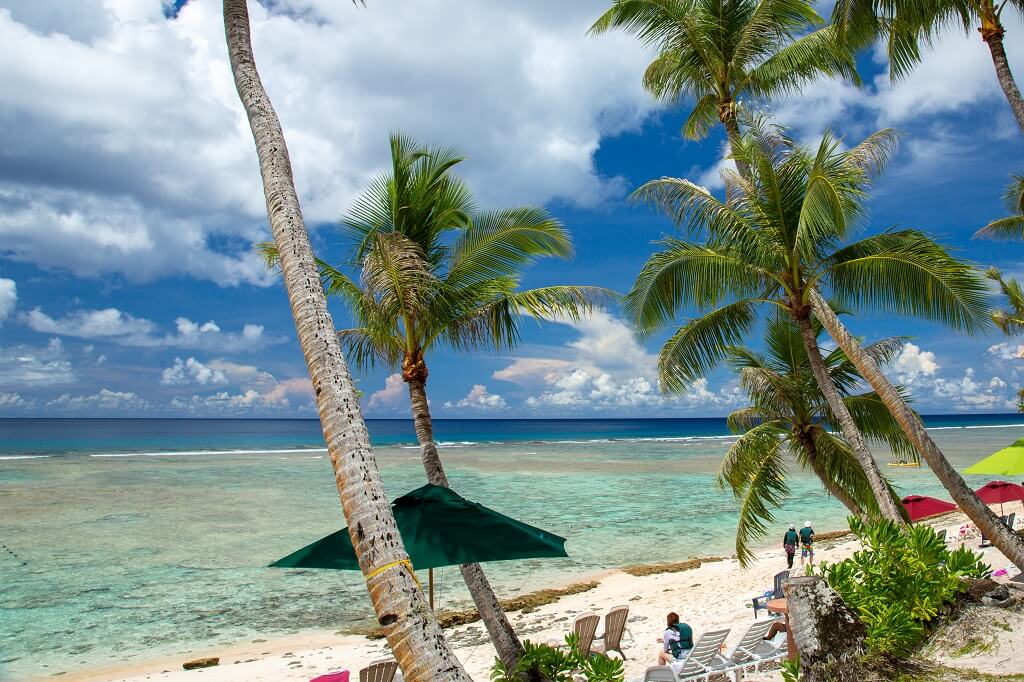
April through June offers a strong mix of sunny weather, fewer peak-season crowds, and good value.
April and May still fall in the dry season, while June begins the shift toward wetter conditions.
Travelers who want outdoor time without the busiest dry-season weeks may find this period especially useful. April and May often bring dependable weather, while June can still offer warm sunshine even as showers become more common.
Activities that fit this period well include water sports, hiking, snorkeling, scuba activities, beach outings, and visits to Guam’s natural areas.
June can bring more variable weather, but many days still offer usable outdoor time.
Cheapest time – July to November
July through November is usually the cheapest time to visit Guam.
These months fall during the rainy season, which often means lower hotel prices, cheaper flights, seasonal promotions, and fewer tourists.
Budget-focused travelers can get better value during these months, especially when plans allow room for weather changes. Indoor options such as PH Bingo can also fit rainy afternoons or slower evenings when showers interrupt outdoor plans.
October and November can be especially good for lower prices and lighter crowds.
Rain is still possible, but flexible planning can make rainy-season travel work well. Helpful planning priorities include:
- Checking cancellation rules before booking hotels or tours
- Leaving extra room in the schedule for rain delays
- Keeping indoor options ready for wet periods
- Packing rain gear and waterproof storage for day trips
Travelers visiting during these months should stay flexible. Outdoor plans may need to shift around showers, humidity, or storm activity.
Guam Weather by Season
Guam has warm tropical weather all year, but seasonal rainfall patterns make a major difference in trip planning. Temperature changes are modest, while rain, humidity, and storm risk create the biggest contrast between seasons.
Dry season is best for outdoor activities and easier scheduling. Rainy season is better for savings, but it requires more flexibility and stronger backup plans.
Dry Season – January to May
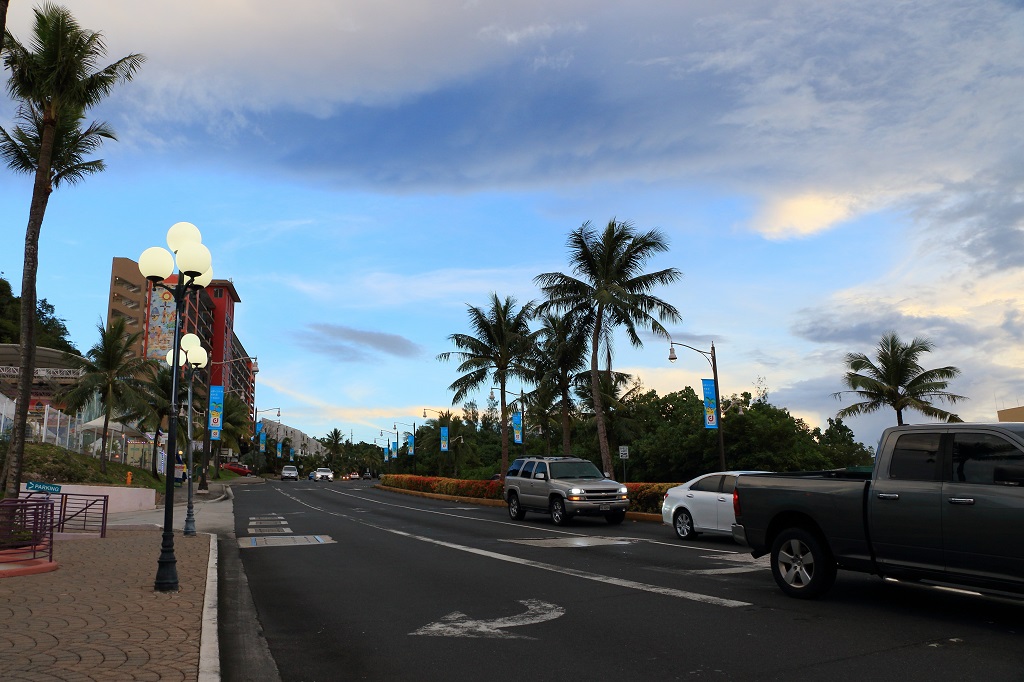
Dry season is warm, sunny, and less rainy than other parts of the year. January through May is the best season for outdoor activities, including beach trips, reef activities, hiking, and sightseeing.
Guam’s average annual temperature near sea level is about 81°F, or 27.2°C. Monthly mean temperatures range between about 80°F, or 26.7°C, in January and a little over 82°F, or 27.8°C, in June.
Temperature patterns stay steady enough that packing is simple for most trips:
- Average annual temperature near sea level: about 81°F, or 27.2°C
- January monthly mean: about 80°F, or 26.7°C
- June monthly mean: a little over 82°F, or 27.8°C
- Daytime temperatures rarely go above 90°F, or 32.2°C
- Nighttime temperatures rarely drop below 70°F, or 21.1°C
Warm weather is consistent, so visitors can usually pack for tropical conditions at any time of year.
Prices may be higher during dry season because these months are the most popular for travel. Hotels, flights, and tours can cost more, especially around holidays and busy travel periods.
Rainy Season – July to November
Rainy season brings more rainfall, higher humidity, and a greater chance of storms. July through November can still be enjoyable, but travelers should plan with more flexibility.
Rainfall varies by area, which matters for beach days, hikes, and road trips around the island. Central and coastal lowlands receive about 80 inches of annual rainfall, while southern uplands can receive up to 110 inches per year.
Rain often arrives in showers, but wetter days can affect hiking, beach plans, boat trips, and road conditions. July through September is the peak of the rainy season, with more frequent showers and a higher storm risk.
Typhoon risk is greatest July through September, although typhoons can occur in any month. Travelers visiting during these months should monitor forecasts and avoid overloading the itinerary with weather-sensitive plans.
Travel costs are usually lower during rainy season. Fewer tourists, discounted rooms, and seasonal travel deals can make July through November a practical choice for visitors focused on savings.
Transition Months – June and December
June and December sit between Guam’s main seasons. Weather can vary during both months, so visitors should expect changing conditions.
June marks the end of the dry season and the start of wetter patterns. Warm, sunny days are still common, but showers may become more frequent as the month moves along.
December marks the end of the rainy season, with weather often improving as the holidays get closer.
Prices and crowds may rise in December because of holiday travel, even as conditions become more favorable.
Timing expectations for these months are fairly different:
- June can still feel close to dry season early in the month
- Later June may bring more showers and humidity
- Early December can still carry some wet-season patterns
- Late December often brings better weather but higher holiday demand
Here is some Traveling Advice
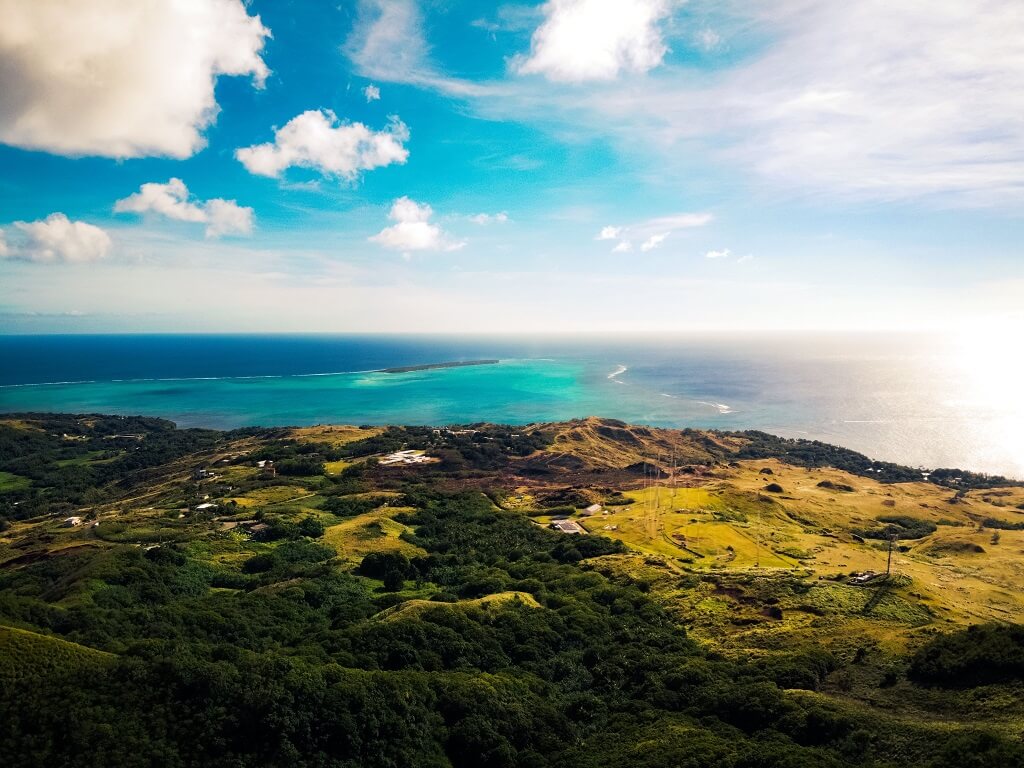
Book early for dry-season trips, especially during holidays and peak travel periods. January through May is popular, so early planning can help with better hotel choices, flight options, and activity availability.
Look for hotel discounts and seasonal promotions during July through November.
Rainy-season travel can offer meaningful savings, especially for visitors who can adjust plans around changing weather.
Consider travel insurance during rainy or storm-prone months, especially July through September. Coverage can be useful when storms affect flights, tours, or scheduled outdoor activities.
Pack light clothing, sunscreen, swimwear, rain gear, and a dry bag. Rain gear and waterproof storage are especially helpful during the wet season, when sudden showers can happen during hikes, beach visits, or boat outings.
Start hikes early during humid or rainy months. Morning hikes can feel cooler, and earlier starts may help travelers avoid afternoon showers.
Wear sturdy shoes on muddy trails. Guam’s red-clay trails can become slippery after rain, especially on steeper routes and forested paths.
Rent a car for easier access to beaches, hikes, viewpoints, restaurants, and attractions. A car is one of the most convenient ways to see more of the island without relying only on taxis or tours.
Keep plans flexible during rainy season. Indoor options, casual meals, shopping, museums, cultural stops, and spa time can help fill wet periods without losing a full day.
View this post on Instagram
Summary
Best overall time to visit Guam is January through May, when weather is drier and outdoor conditions are strongest. As a U.S. territory in the western Pacific, Guam offers year-round tropical weather, making season selection more about rainfall, crowds, and travel costs than temperature changes.
Late February to early April is the best sweet spot for good weather, fewer crowds, and quieter typhoon patterns.
Budget-focused travelers should consider July through November, especially October and November, for lower prices and fewer tourists.
April through June is a strong choice for a good mix of weather, value, and lighter crowds.
